
Ireland Travel is never just about scenery—it’s also about stepping into places that hold the country’s deepest stories. In Dublin, few landmarks capture Irish identity, history, and modern spectacle quite like Croke Park, a stadium that blends national pride, cultural memory, and surprisingly refined visitor experiences.
Known locally as “Croker,” Croke Park is the headquarters of the Gaelic Athletic Association and the spiritual home of Gaelic football, hurling, and camogie. But for luxury-minded travelers, it is also a compelling stop on a high-end Dublin itinerary, offering immersive tours, premium hospitality, and a front-row look at one of Ireland’s most powerful cultural institutions.
Why Croke Park Matters for Ireland Travel
For anyone planning Ireland Travel, Croke Park offers far more than a stadium visit. It sits at the crossroads of sport, politics, entertainment, and national memory, making it one of Dublin’s most meaningful attractions.
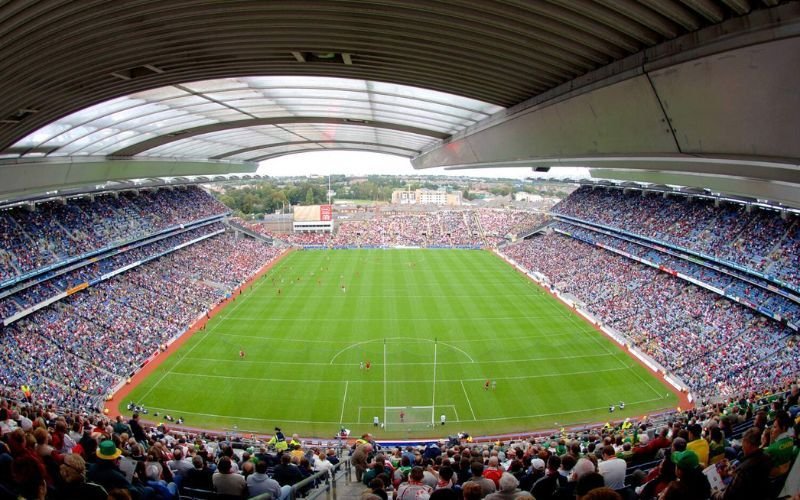
Since the late 19th century, the venue has stood at the center of Ireland’s native games. Today, with a capacity of more than 82,000, it ranks among the largest stadiums in Western Europe. That scale is impressive on its own, but what truly sets Croke Park apart is its emotional importance to Irish life. This is where All-Ireland dreams are made, where generations gather, and where Irish tradition remains vividly alive in a modern capital city.
A stadium with global stature
Croke Park’s size places it in elite European company. It is one of Western Europe’s biggest stadiums, underscoring the enormous cultural draw of Gaelic games. For visitors interested in Ireland Travel experiences beyond castles and coastal drives, this offers a memorable way to understand contemporary Ireland through a local lens.
More Than Gaelic Games
Although Croke Park is synonymous with the GAA, its story stretches well beyond sport. Over the decades, it has evolved into one of Dublin’s premier event spaces, hosting major concerts, international ceremonies, and historic public gatherings.
World-famous artists including U2, Bruce Springsteen, Coldplay, Tina Turner, The Police, Take That, One Direction, and Garth Brooks have all performed here. The stadium also hosted opening and closing ceremonies for the 2003 Special Olympics in Dublin, showcasing its ability to welcome global audiences on a grand scale.
In the 2000s, while other venues were under redevelopment, Croke Park temporarily hosted international soccer and rugby fixtures, including Six Nations matches. That unusual chapter helped cement its reputation as a stadium capable of adapting while still preserving its core identity.
A venue shaped by many moments
- Home of Gaelic football, hurling, and camogie
- Major concert venue for international superstars
- Host site for the 2003 Special Olympics ceremonies
- Temporary stage for rugby and soccer internationals
- Site of major religious and civic events
For Ireland Travel planners seeking layered, authentic attractions, few places in Dublin offer this kind of range.
The History Behind Croke Park
No visit to Croke Park is complete without understanding its historical significance. The grounds were purchased by the GAA in 1913 and renamed after Archbishop Thomas Croke, an early supporter of the organization. That ownership helped secure the venue as the symbolic home of Ireland’s indigenous sports.
One of the stadium’s most recognizable features, Hill 16, carries its own powerful connection to Irish history. The grassy terrace was constructed in 1917 using rubble from the 1916 Easter Rising, linking the arena directly to the struggle for independence. For travelers interested in heritage, this is one of the most evocative details in any Ireland Travel itinerary focused on Dublin.
Bloody Sunday and the Hogan Stand
The darkest chapter in the stadium’s past came on November 21, 1920, during the War of Independence. On what became known as Bloody Sunday, British forces opened fire on the crowd during a match between Dublin and Tipperary, killing 14 people. Among them was Tipperary captain Michael Hogan, whose memory lives on in the Hogan Stand.
This history gives Croke Park a gravity that goes far beyond architecture or sporting fame. It is a place where visitors can reflect on Ireland’s past while standing inside one of its most celebrated public spaces.
Luxury Travel Experiences at Croke Park
Though rooted in working-class tradition and national sport, Croke Park fits surprisingly well into a Luxury Travel agenda. Premium seating, executive hospitality, and expertly curated stadium tours add polish to the experience without diminishing its authenticity.
Upscale travelers can pair a visit with private city transfers, gourmet dining in central Dublin, and a stay at one of the capital’s five-star hotels. On match days or event nights, hospitality packages can transform the outing into a high-end cultural experience rather than a standard sightseeing stop.
How to experience it in style
- Book a guided stadium tour for behind-the-scenes access
- Combine your visit with the GAA Museum for added context
- Choose premium event seating when matches or concerts align with your dates
- Stay in a luxury Dublin hotel within easy reach of the stadium
- Plan a private driver or chauffeur for seamless city touring
For discerning visitors, Ireland Travel becomes richer when iconic attractions are experienced with both context and comfort.
Record Crowds and a Modern Revival
Croke Park has long been associated with extraordinary attendance. Its record crowd was set in 1961, when more than 90,000 spectators watched the All-Ireland Football Final between Down and Offaly. That figure speaks to the near-sacred place Gaelic games hold in Irish society.
The stadium seen today is the result of decades of redevelopment. Major modernization plans began in the 1980s, with a renewed stadium opening in 1991 and further works continuing into the 2000s, including upgrades to Hill 16 and the Nally Stand. The result is a venue that feels both contemporary and steeped in tradition—an ideal match for modern Ireland Travel expectations.
Planning Your Visit
Croke Park is located on Jones’ Road, close to Dublin city center, making it easy to add to a broader day of urban exploration. It pairs well with visits to Georgian Dublin, literary landmarks, whiskey tastings, and fine dining neighborhoods.
To make the most of your stop, consider:
- Checking the event calendar before booking
- Allowing time for both the stadium and museum
- Visiting on a non-event day for a calmer, more detailed tour
- Upgrading to hospitality access if attending a match or concert
In a city full of celebrated attractions, Croke Park stands out because it tells the story of Ireland through emotion, ritual, and place.
For travelers building an unforgettable Ireland Travel itinerary, Croke Park is more than a sports venue—it is a cultural landmark where history, identity, and modern luxury can meet in one remarkable Dublin experience.