If your idea of Swiss cuisine still begins and ends with cheese fondue and chocolate, it is time for an update. This travel guide world feature explores why Switzerland, especially Zurich and the Alpine resorts, has become one of Europe’s most exciting luxury food destinations for 2026.
For discerning travelers, Switzerland now offers more than postcard mountains and polished hotels. It delivers precision cooking, creative tasting menus, mountain restaurants with unforgettable views, and a new generation of chefs redefining what luxury dining can feel like. For readers who usually search for a travel guide world perspective on where to eat, stay, and indulge, Switzerland belongs firmly on the list.
Travel Guide World: Switzerland’s New Culinary Identity
Switzerland’s food reputation is evolving fast. The country has long been associated with technical excellence, but what makes the current moment different is the rise of chefs who combine rigor with personality, warmth, and a sense of play. The result is a dining scene that feels less formal than the old stereotype of fine dining, yet every bit as refined.
Luxury travelers will notice several defining themes:
- Precision-led cooking rooted in Swiss discipline and premium sourcing
- Playful presentation that removes some of the stiffness from high-end dining
- Sustainability that is deeply embedded, not simply added for marketing
- Destination dining that stretches from major cities to mountain hideaways
That balance is what makes Switzerland relevant in any modern travel guide world roundup. It is sophisticated without being showy, luxurious without losing authenticity.
Zurich Leads the Luxury Dining Conversation
Zurich is doing much of the heavy lifting when it comes to Swiss gastronomy. The city now offers a blend of Michelin-level ambition, intimate chef-driven concepts, and fresh multicultural influences that make it one of the most compelling culinary stops in Europe.
The Counter at Zurich Hauptbahnhof
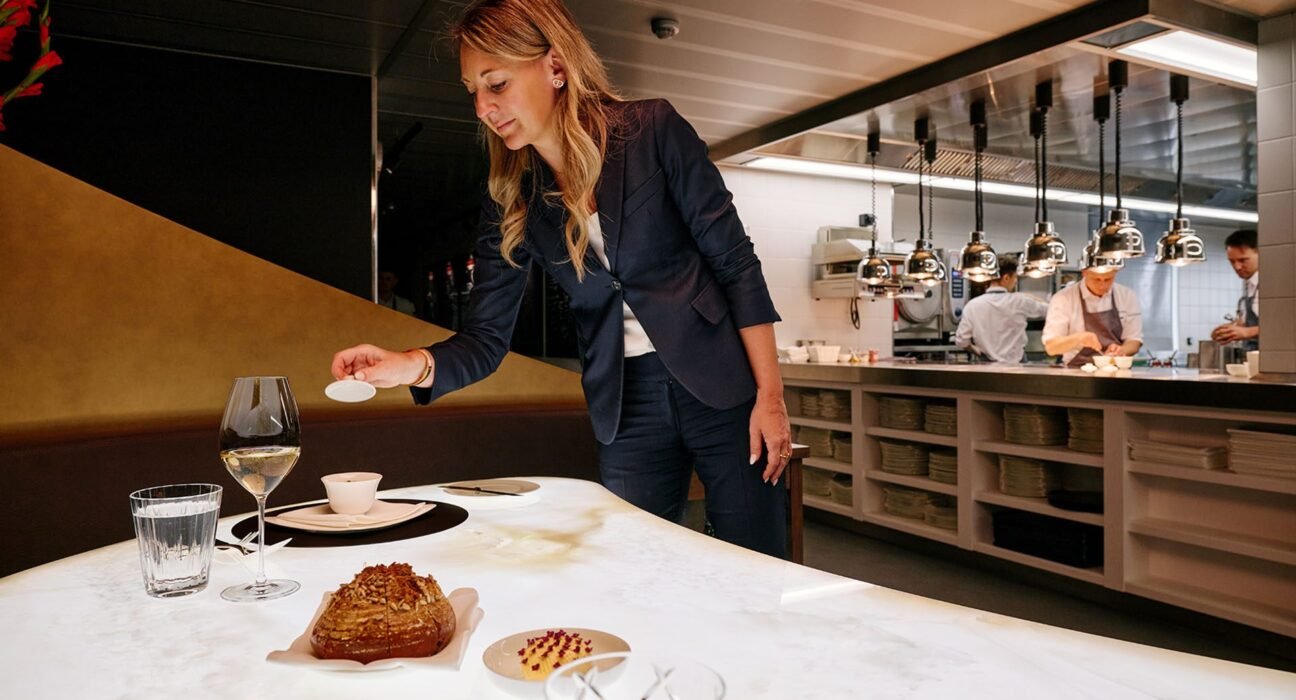
One of the city’s most talked-about reservations is The Counter, led by chef Mitja Birlo. The setting is unexpected: a compact, U-shaped dining counter inside Zurich’s main railway station. Yet this seemingly ordinary address hosts one of the country’s most extraordinary meals.
Guests can expect an intimate tasting-menu experience built around around sixteen carefully composed bites. The appeal lies not only in luxury ingredients such as otoro, quail, and lobster, but in the theatrical rhythm of the meal. For travelers building a travel guide world itinerary around culinary experiences, this is the kind of hard-to-book table that justifies planning a whole trip.
The Dolder Grand’s Elevated Benchmark
For those seeking iconic luxury stays paired with elite dining, The Dolder Grand remains essential. High above Zurich, The Restaurant at the Dolder Grand continues to define consistency and excellence under chef Heiko Nieder. Its new chef’s table format adds extra intimacy, allowing diners to witness the detail and discipline behind every course.
This is the Swiss luxury ideal at its best: serene surroundings, faultless service, and cuisine that speaks with quiet confidence rather than spectacle.
Relaxed Fine Dining Is Reshaping the Scene
One of the most interesting shifts in Switzerland is the move away from overly ceremonial dining rooms. The country’s top chefs are proving that luxury can feel relaxed, sociable, and contemporary.
IGNIV and Shared Fine Dining
At IGNIV in Zurich’s Marktgasse Hotel, Andreas Caminada’s influential vision takes shape in a more democratic style. Small, shareable dishes arrive at the table to be enjoyed communally, replacing rigid etiquette with a more inviting energy.
This approach matters because it reflects how affluent travelers increasingly want to dine: with exceptional food, but without unnecessary formality. Any travel guide world feature focused on modern luxury should pay attention to this model, because it signals where upscale hospitality is heading.
New Voices: KHOURIS and Kle
Zurich’s dynamism also comes from newer concepts. KHOURIS brings Palestinian family recipes into a permanent restaurant setting, offering a compelling contrast to classical Swiss fine dining. Meanwhile, Kle continues to demonstrate that plant-based cuisine can thrive at the highest level, earning both Michelin recognition and sustainability credibility.
Together, these openings show how Zurich has broadened its culinary identity. It is no longer only about classic French-influenced tasting menus; it is about culture, seasonality, and innovation.
Luxury Outdoors: Where Alpine Views Meet Exceptional Food
Switzerland’s culinary ascent is especially impressive because it extends well beyond the cities. For travelers interested in luxury outdoors experiences, mountain dining is no afterthought here.
Chez Vrony Above Zermatt
Perched in Findeln above Zermatt, Chez Vrony is one of the Alps’ great lunch destinations. Reached on foot or by ski, it pairs a remarkable Matterhorn view with genuine culinary substance. The family-run restaurant has deep roots, and its connection to the land remains central, with livestock raised on alpine pasture.
That authenticity gives the experience unusual depth. In a typical travel guide world search, travelers want places that are scenic, yes, but also distinctive enough to remember long after the view fades from their camera roll. Chez Vrony delivers both.
Gstaad’s Polished Indulgence
In Gstaad, luxury is embraced more openly, and The Alpina Gstaad exemplifies that confidence. At Megu, Japanese fine dining finds an unlikely but convincing home in the Alps. The result is a cosmopolitan luxury experience that fits perfectly within Switzerland’s high-end resort culture.
For guests booking luxury resorts and luxury stays, this kind of culinary offering adds meaningful value. Dining is no longer a side amenity; it is a reason to choose the property.
Why Switzerland Belongs on Your 2026 Luxury Travel List
The bigger story is not just about individual restaurants. It is about a national dining culture maturing into something more varied, more confident, and more internationally relevant. Chefs influenced by mentors like Andreas Caminada are opening their own spaces, while sustainability practices continue to shape sourcing and operations across the country.
What makes Switzerland stand out in a travel guide world context is the combination of experiences available in one journey:
- World-class urban dining in Zurich
- Legendary luxury hotels with destination restaurants
- Mountain lunches that rival city fine dining
- A strong sustainability ethos
- Easy access to outdoor adventure and scenic rail travel
Readers interested in a travel guide ireland may be used to pairing dramatic landscapes with memorable meals, but Switzerland offers a distinctly Alpine version of that same appeal, with even greater concentration of Michelin-recognized luxury dining.
Conclusion: Switzerland Is No Longer Just a Scenic Stop
Switzerland has become a destination for the table as much as the terrain. That is the real takeaway from this travel guide world overview: whether you are booking a luxury city break in Zurich, a resort escape in Gstaad, or a mountain lunch above Zermatt, the food now deserves top billing.
For 2026, travelers looking for luxury lifestyle, luxury stays, and luxury travel with genuine culinary depth should look beyond old assumptions. Switzerland is no longer simply a beautiful place to pass through. In any serious travel guide world shortlist, it is now a place to book for the meal itself.