




Daphne Caruana Galizia Trial Begins: Why Malta’s Landmark Case Matters Far Beyond the Courtroom
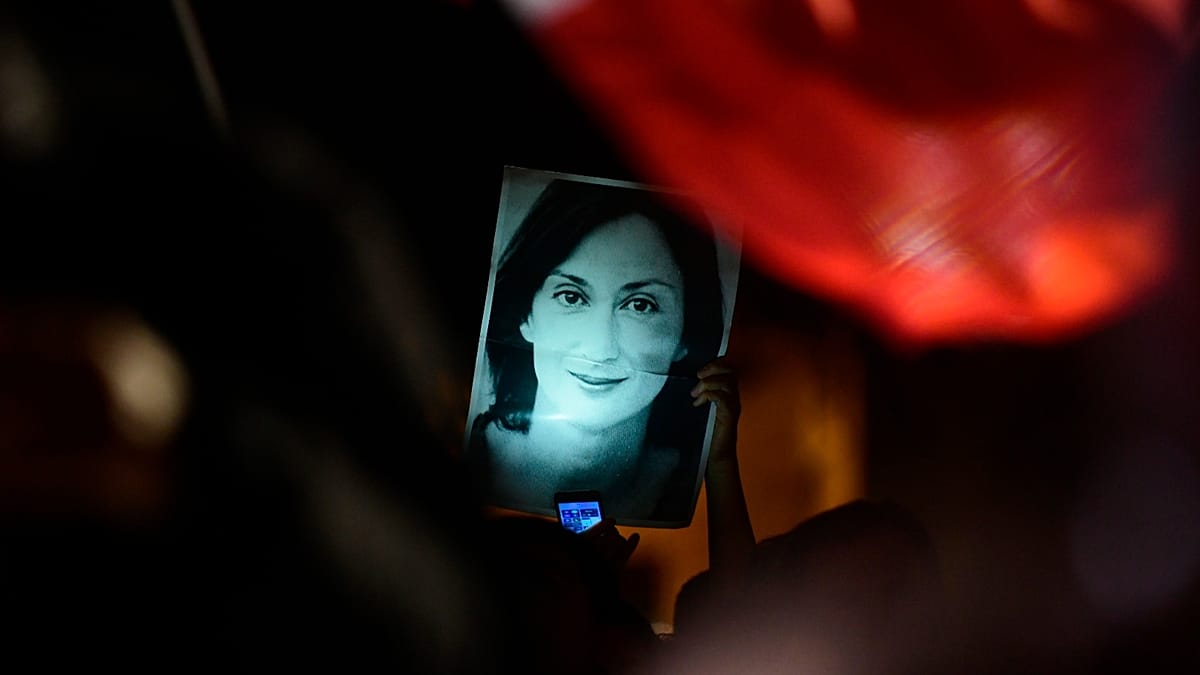
The Daphne Caruana Galizia trial has opened a new chapter in one of Europe’s most shocking attacks on journalism. Nearly nine years after the Maltese investigative reporter was killed in a car bomb explosion, the man accused of masterminding her murder has finally gone on trial, reviving global scrutiny of corruption, accountability and the rule of law in Malta.
Although this case sits firmly in the worlds of politics and justice, it also resonates with readers who follow power, influence and elite networks. Caruana Galizia’s reporting examined the intersections of wealth, business, status and political privilege—territory that often overlaps with the aesthetics and institutions of luxury, influence and high society.
What the Daphne Caruana Galizia trial is about
The Daphne Caruana Galizia trial centers on Yorgen Fenech, a Maltese businessman accused of commissioning the murder of the journalist in 2017. Caruana Galizia, 53, was widely known for her uncompromising investigations into alleged corruption among Malta’s political and business elites.
Her assassination sent shockwaves across Europe. She had built a reputation as a fearless voice willing to expose opaque financial relationships, abuse of power and the hidden connections between government figures and influential private interests.
According to reporting on the case, prosecutors allege that Fenech ordered the killing because Caruana Galizia was close to publishing damaging information linked to his family circle. He has denied wrongdoing, but the start of proceedings marks a pivotal moment in a case that has become symbolic of press freedom in Europe.
Why the case became an international flashpoint
The Daphne Caruana Galizia trial is not simply a domestic criminal proceeding. It has become a litmus test for how democratic states respond when journalists investigating entrenched power are targeted.
Several factors pushed the case onto the global stage:
- The brutality of the murder: Caruana Galizia was killed by a bomb planted in her car near her home.
- The stature of the victim: She was one of Malta’s most prominent public critics and an internationally recognized investigative journalist.
- The subject of her work: Her reporting focused on corruption at the highest levels of public life.
- The political fallout: The killing triggered mass outrage and ultimately contributed to the resignation of then-prime minister Joseph Muscat in 2020.
In a country known for its tight-knit elite circles, the case exposed how influence can flow through business, politics and social power structures. That broader ecosystem is one reason the trial continues to command attention well beyond Malta.
What investigators and courts have established so far
The Daphne Caruana Galizia trial follows years of arrests, convictions and public inquiry findings. Authorities have already secured convictions against multiple people tied to the attack.
Key developments in the case
- Five people have been convicted in connection with the murder.
- In June 2025, Robert Agius and Jamie Vella were convicted of supplying the bomb and sentenced to life in prison.
- The men who carried out the killing—George Degiorgio, Alfred Degiorgio and Vince Muscat—have also been convicted and imprisoned.
- Fenech was arrested in 2019 while attempting to leave Malta by yacht.
This sequence matters because it shows that the prosecution has steadily built the case from the operatives and suppliers up toward the alleged organizer. For many observers, that progression has kept alive the hope that accountability might reach the top of the chain.
The 2021 public inquiry and Malta’s “atmosphere of impunity”
One of the most important reference points surrounding the Daphne Caruana Galizia trial is the 2021 public inquiry. After a two-year process, the panel concluded that the Maltese state should bear responsibility for creating conditions that enabled the murder.
The inquiry found that:
- The state failed to protect Caruana Galizia.
- She faced sustained hostility and verbal attacks from politicians.
- An “atmosphere of impunity” had taken root.
- There was evidence suggesting the killers believed they would be shielded by individuals in powerful positions.
Those findings transformed the public understanding of the murder. It was no longer seen only as an attack by criminals on a journalist, but also as a systemic failure involving institutions, governance and culture.
Why this matters for press freedom and elite accountability
The significance of the Daphne Caruana Galizia trial extends far beyond a single verdict. At stake is whether democratic Europe can effectively protect journalists who investigate wealthy, connected and politically influential figures.
Caruana Galizia’s work stood at the intersection of money and power. That is why her legacy remains especially relevant in any conversation about luxury culture, prestige industries and elite influence. Wealth itself is not the issue; opacity, impunity and the misuse of influence are.
For readers interested in luxury brands, luxury decor and luxury design, the case offers a sobering reminder: glamorous surfaces can coexist with opaque systems underneath. The same networks that shape access, status and reputation can, in darker contexts, shield misconduct from scrutiny.
Broader lessons from the case
- Transparency matters: Public trust erodes when business and political interests become too closely entwined.
- Independent journalism is essential: Investigative reporting remains one of the most important checks on concentrated power.
- Institutions must act early: Failure to confront intimidation and impunity can have catastrophic consequences.
Will justice finally be served?
That is the central question hanging over the Daphne Caruana Galizia trial. Press freedom groups, including Reporters Without Borders, have said the trial revives hope that justice may finally be achieved for a crime that became a defining test of European democratic values.
The proceedings are likely to be followed closely by journalists, legal observers, civil society groups and European institutions. Whatever the outcome, the trial represents a crucial moment of reckoning for Malta and for the wider debate over how societies protect truth-tellers who challenge entrenched privilege.
In the end, the Daphne Caruana Galizia trial is about more than one murder case. It is about whether power can still be investigated without fear, whether institutions can correct their own failures and whether justice can reach those believed to operate above the law. That is why this trial matters—and why the world is still watching.