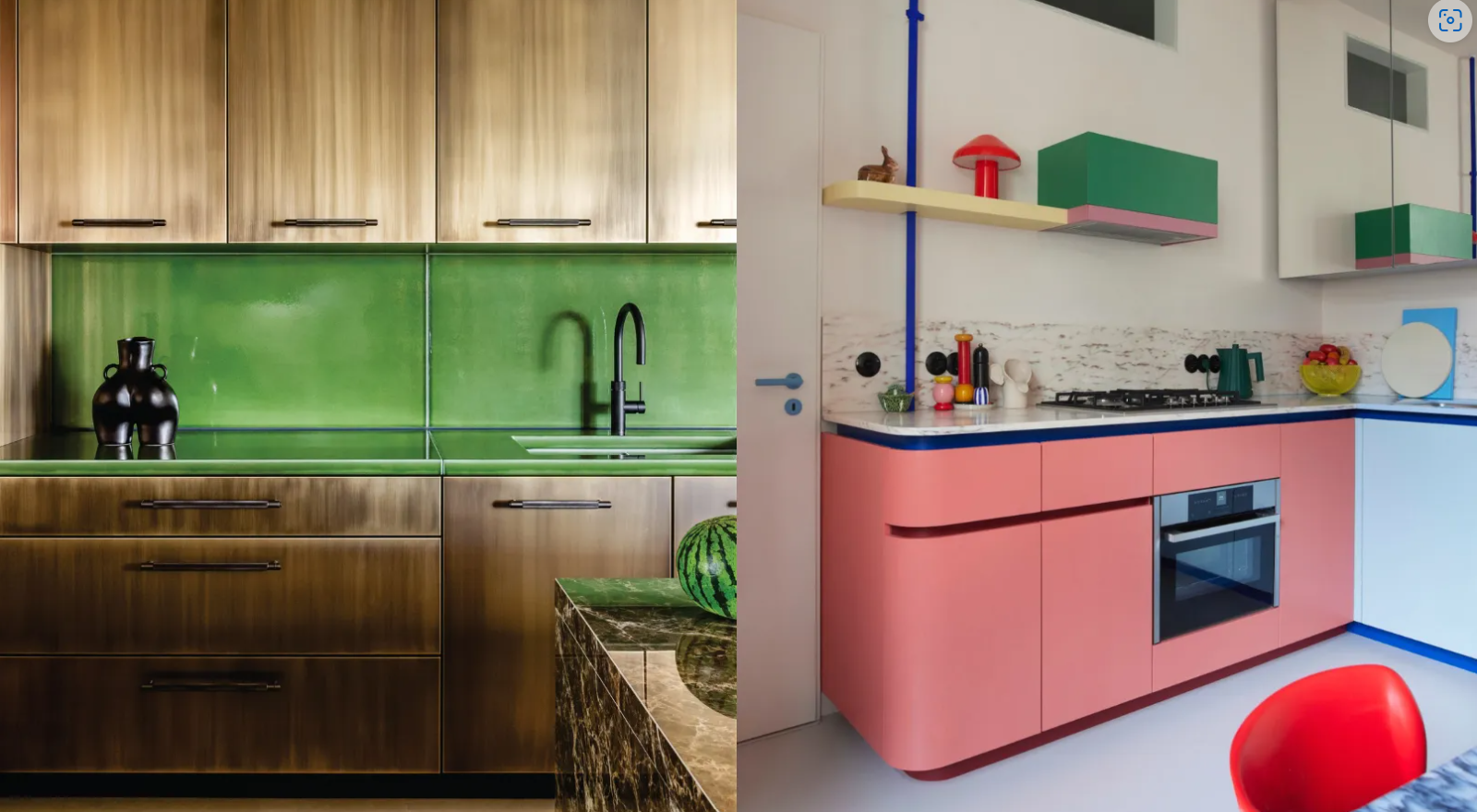



Luxury Design in a Heatwave: How Europe’s Hottest Summers Are Reshaping High-End Living
Europe’s latest record-breaking temperatures are doing more than dominating political debate—they are changing how affluent homeowners, designers, and luxury brands think about comfort. As the luxury design heatwave era intensifies, premium interiors are being reimagined around cooling, resilience, sustainability, and discreet technology.
The wider conversation has been sharpened by fresh political clashes in Brussels over climate policy, energy systems, and whether air-conditioning is a practical solution or a symptom of a deeper problem. For the luxury sector, the answer is not simply more cooling—it is smarter, more elegant, and more future-ready living.
Why the Luxury Design Heatwave Conversation Matters Now
Europe is warming faster than many other regions, and extreme heat is no longer an occasional inconvenience. It is becoming a defining design constraint. That shift matters enormously for luxury real estate, bespoke interiors, and premium home technology.
In the political debate, lawmakers disagreed over the pace and direction of climate action, the role of fossil fuels, and the future of the European Green Deal. Yet one point is difficult to ignore: hotter summers are placing new pressure on cities, energy infrastructure, and households alike. For luxury consumers, that means expectations are changing. Beauty alone is no longer enough. Homes must also perform exceptionally under stress.
The luxury design heatwave trend is therefore about more than aesthetics. It reflects a broader move toward climate-adaptive architecture, quieter cooling systems, energy efficiency, and materials that preserve comfort without compromising elegance.
How Extreme Heat Is Changing Luxury Interiors
Comfort is becoming a design signature
Historically, luxury interiors emphasized craftsmanship, rare materials, and visual refinement. Today, thermal comfort is joining that list. Wealthy buyers increasingly want homes that remain serene and livable during prolonged high temperatures.
This means designers are prioritizing:
- Advanced shading systems and motorized blinds
- High-performance insulation hidden within refined architecture
- Natural stone and breathable materials that retain less heat
- Cross-ventilation strategies in villa and penthouse layouts
- Silent climate-control systems integrated invisibly into interiors
In this context, the luxury design heatwave response is defined by subtlety. Visible bulk, noisy machinery, and purely reactive cooling measures feel increasingly outdated in the top tier of the market.
Air-conditioning is no longer the whole answer
The recent European debate raised a timely question: should people simply retreat into air-conditioned spaces? In luxury living, the answer is more nuanced. Premium buyers may expect air-conditioning, but they also expect lower energy waste, better air quality, and seamless integration with a home’s architecture.
As a result, high-end projects are incorporating layered cooling strategies such as:
- Passive design to reduce solar gain
- Smart glazing to control heat and glare
- Landscape design with trees, courtyards, and water features
- Zoned cooling for energy efficiency
- Home automation that adjusts temperature throughout the day
This is where luxury design heatwave planning becomes especially sophisticated: it combines engineering, wellness, and aesthetic restraint.
Luxury Brands Are Responding With Climate-Conscious Innovation
For luxury brands in decor and home design, rising temperatures represent both a challenge and an opportunity. Clients are increasingly asking for products that feel cool to the touch, reduce heat build-up, or support sustainable living without sacrificing prestige.
That is pushing the market toward:
- Elegant outdoor furnishings made for hotter climates
- Textiles with lighter weaves and improved breathability
- Premium ceiling fans and ventilation systems with sculptural appeal
- Heat-reflective surfaces and finishes
- Smart-home ecosystems that optimize energy use in real time
The best brands are not framing these features as compromises. They are presenting them as the new language of modern luxury: calm, efficient, and environmentally aware. In many ways, the luxury design heatwave shift mirrors a broader consumer preference for quality that is both indulgent and responsible.
From Sustainability to Status: A New Luxury Standard
The political arguments around climate policy reveal an important tension. Some leaders emphasize decarbonization through a broad mix of technologies, while others warn against weakening environmental ambition. For the luxury world, this debate translates into a practical question: what should a future-proof premium home look like?
Increasingly, status is attached not just to scale or rarity, but to resilience. A truly exceptional property now signals:
- Energy-conscious design
- Reduced dependence on inefficient cooling
- Durable, climate-suitable materials
- Outdoor spaces that remain usable in warmer weather
- Wellness-oriented interiors with strong air and light management
That evolution is redefining aspiration. The owners of tomorrow’s most desirable homes may not simply want dramatic glass façades and statement rooms. They may prefer residences that stay cool, feel private, and consume less energy while offering a polished sensory experience.
The luxury design heatwave moment is therefore also a branding opportunity. Designers and makers that master climate-responsive elegance can set themselves apart in an increasingly crowded premium market.
What Designers, Developers, and Buyers Should Watch Next
As heatwaves become more frequent, the pressure on architecture and interiors will only grow. Developers of luxury residences in European capitals, coastal retreats, and countryside estates should expect climate adaptation to move from a niche concern to a core selling point.
Key priorities include:
- Designing for extreme weather from the earliest planning stage
- Balancing cooling performance with sustainability goals
- Integrating technology without visual clutter
- Creating shaded, livable outdoor luxury spaces
- Aligning premium design with stricter future energy standards
Designers who ignore these factors risk delivering homes that feel dated the moment temperatures spike. By contrast, those who embrace the luxury design heatwave reality can create interiors that are not only beautiful, but deeply relevant to the future of European living.
Conclusion: Luxury Design Must Adapt to a Hotter Europe
Europe’s heat extremes are no longer abstract policy talking points—they are shaping how luxury is built, furnished, and experienced. The strongest response is not panic buying of cooling devices, but an integrated design philosophy that blends comfort, technology, and sustainability.
In that sense, the luxury design heatwave shift is redefining prestige itself. The most compelling luxury spaces of the next decade will be those that remain elegant under pressure, perform beautifully in extreme heat, and prove that high-end living can be both sophisticated and climate-aware.