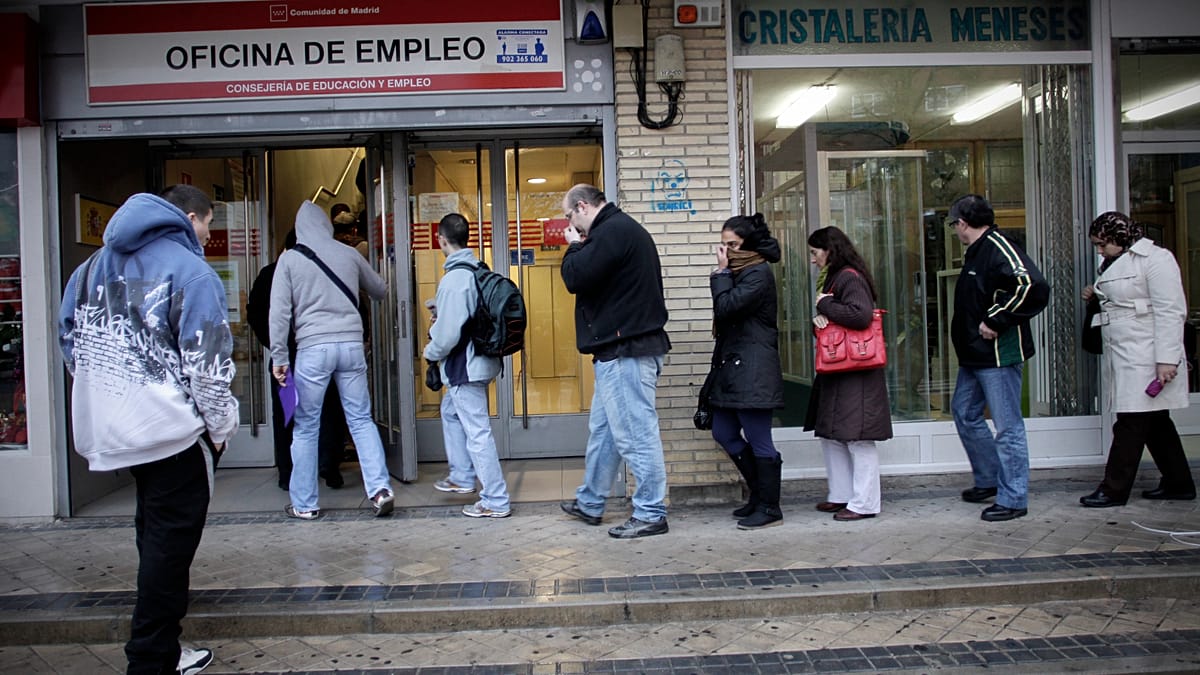
Spain unemployment fell below 2.3 million for the first time since early 2008, a milestone that reaches far beyond labour market headlines. For luxury brands, luxury decor houses, and high-end design firms, the shift points to something bigger: rising confidence, stronger consumer activity, and a more supportive environment for premium spending.
New employment data shows Spain entering the summer with record Social Security registrations, falling youth unemployment, and notable gains in services, retail, hospitality, and self-employment. While the figures are economic in nature, their implications matter deeply for businesses that depend on aspirational consumption, residential investment, and lifestyle-led demand.
Why Spain unemployment matters to the luxury market
When Spain unemployment declines, it typically improves sentiment across several layers of the economy. More people in work generally means:
- Greater household confidence
- More discretionary spending power
- Higher footfall in retail and hospitality districts
- Increased appetite for home upgrades and premium interiors
- Stronger conditions for entrepreneurship and independent creative businesses
In June, registered unemployment fell by 28,739 from the previous month, bringing the total to 2,291,982 jobseekers. That is the first time the figure has dropped below 2.3 million since January 2008, before the global financial crisis reshaped European consumer behaviour. At the same time, Social Security membership climbed to a record 22.47 million.
For the luxury sector, this combination of lower unemployment and record employment is significant. Premium demand is rarely driven by one income segment alone. It grows when upper-middle and affluent consumers feel secure enough to spend on fashion, furnishings, second homes, renovation, travel, and design services.
Services, tourism, and retail are powering demand
The latest data shows the services sector accounting for most of the monthly improvement, helped by the start of the tourist season. That matters especially for luxury brands operating in Spain’s key urban and resort destinations, where tourism and local consumption often reinforce one another.
What sectors are improving most?
According to the June figures:
- Services saw the biggest drop in unemployment
- Industry also improved
- Construction continued to add momentum
- Agriculture posted a smaller decline
- Retail and hospitality were among the strongest contributors to Social Security growth
Wholesale and retail trade added the largest number of new registrations over the month, followed by hospitality and administrative support services. For luxury design businesses, this is an encouraging signal. Stronger retail traffic can support premium storefronts, while hospitality growth can boost demand for boutique hotel interiors, bespoke furniture, lighting, textiles, and high-end decorative finishes.
Construction gains are equally relevant. A healthier building pipeline often benefits luxury decor and luxury design through residential refurbishments, new developments, and premium fit-outs in hotels, branded residences, and commercial spaces.
Luxury decor and luxury design stand to benefit
Spain unemployment trends do not translate automatically into sales, but they do help create the conditions in which luxury decor and luxury design can expand. As job creation spreads, the effect can ripple into categories tied to lifestyle enhancement and property investment.
Key areas to watch
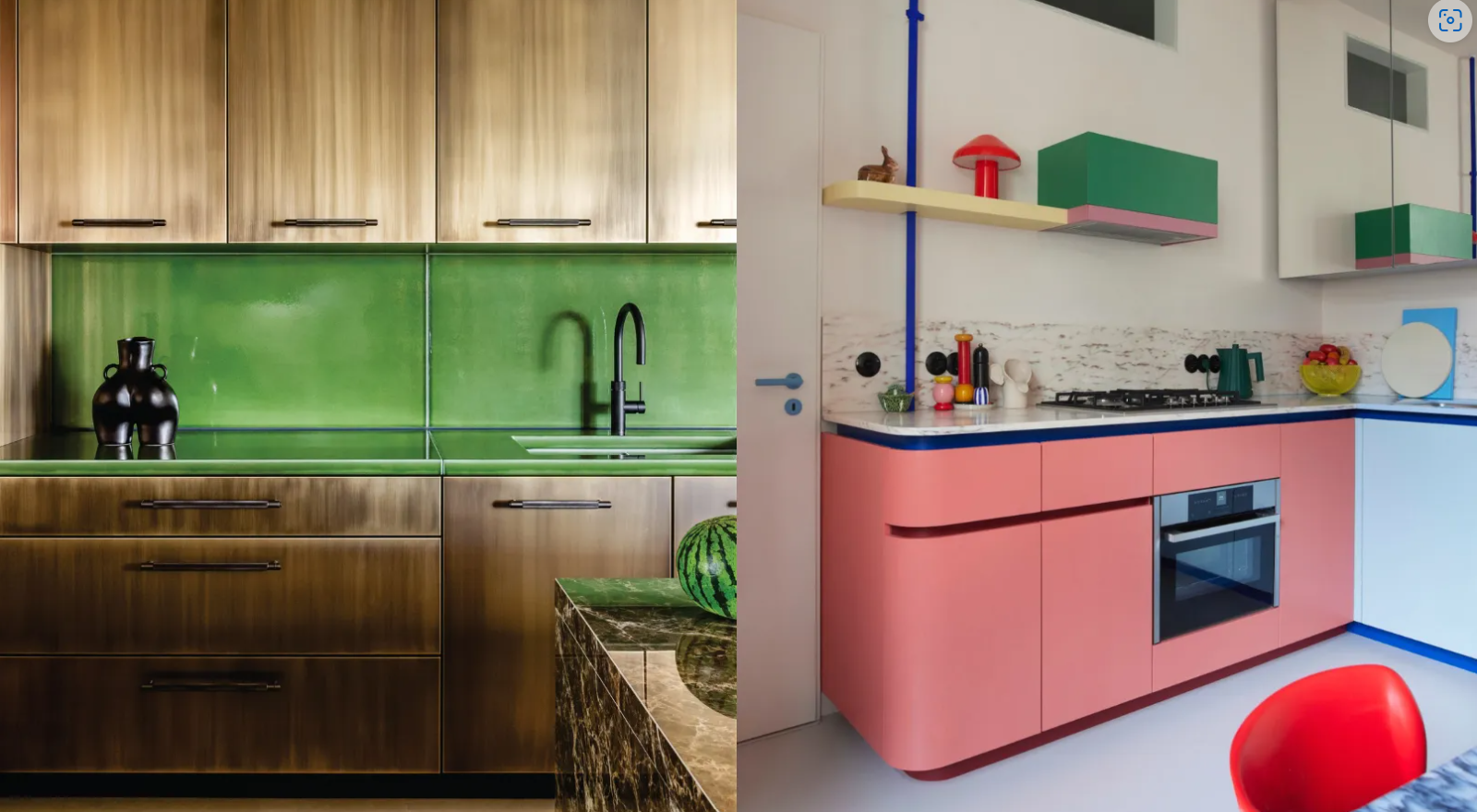
- Premium home renovations: More employment and stronger confidence can encourage homeowners to invest in kitchens, living spaces, artful lighting, and custom interiors.
- Hospitality upgrades: Seasonal tourism strength often supports refurbishment projects in luxury hotels, villas, and short-stay properties.
- Designer retail: Improved consumer sentiment tends to lift demand for curated furniture, collectible decor, and statement pieces.
- Entrepreneur-led creativity: Rising self-employment can help independent designers, artisans, and luxury service providers scale their businesses.
Self-employment rose again in June, reaching 3.47 million. For the design ecosystem, that could mean a larger pool of studio founders, craftspeople, consultants, and specialist suppliers serving the premium market.
Women and younger workers are reshaping the outlook
One of the most notable aspects of the data is the improvement among women and young people. Female unemployment fell below 1.4 million for the first time since 2008, while youth unemployment reached its lowest level in the historical series.
These changes may matter to luxury businesses in practical ways. Women remain a major force in household purchasing decisions, interior aesthetics, and premium lifestyle consumption. A larger number of women in formal employment can support spending across fashion, beauty, homeware, and design-led living.
Younger workers also play a growing role in shaping luxury demand, especially in categories where experience, identity, and digital discovery drive purchasing. As employment prospects improve, younger consumers may engage more with accessible luxury, contemporary decor, and emerging designer brands.
Important caveats behind the positive picture
Despite the strong headline, the labour market is not improving evenly. The number of people without previous employment history increased, suggesting first-time jobseekers and those re-entering the labour market may still face barriers. That matters because broad-based prosperity is more durable when gains extend across demographics.
It is also important to recognise the seasonal element. Summer tourism can temporarily accelerate hiring in services, retail, and hospitality. Luxury brands should therefore treat the current Spain unemployment milestone as a positive signal, but not as a guarantee of uninterrupted long-term demand.
Still, the broader annual picture remains constructive. Over the past 12 months, Spain added more than 600,000 contributors to Social Security, while unemployment fell by more than 113,000. Foreign worker affiliation also reached a record, adding to the consumer and entrepreneurial base that supports dynamic urban economies.
What luxury brands should do next
For companies in luxury brands, luxury decor, and luxury design, the message is clear: Spain deserves close attention.
- Review growth opportunities in Madrid, Barcelona, Valencia, Malaga, Marbella, and key island destinations
- Strengthen partnerships with hospitality, residential, and real-estate players
- Position collections around lifestyle optimism, craftsmanship, and investment value
- Use data-led targeting to capture both affluent locals and high-spending visitors
- Prepare for demand in renovation, bespoke interiors, and premium in-store experiences
As Spain unemployment falls and employment reaches new highs, the country looks increasingly attractive for premium-market expansion. For luxury businesses, the opportunity is not just in selling products, but in responding to a more confident consumer mood with thoughtful design, elevated service, and long-term brand presence.
In short, Spain unemployment is becoming more than an economic statistic. It is a useful indicator of how consumer confidence, property activity, tourism, and premium spending may evolve. For luxury brands and design-led businesses, that makes Spain one of the most compelling markets to watch in Europe right now.