


Architecture News: São Paulo Architecture Biennial Names Gabriela de Matos and Pedro Rossi as 2027 Chief Curators
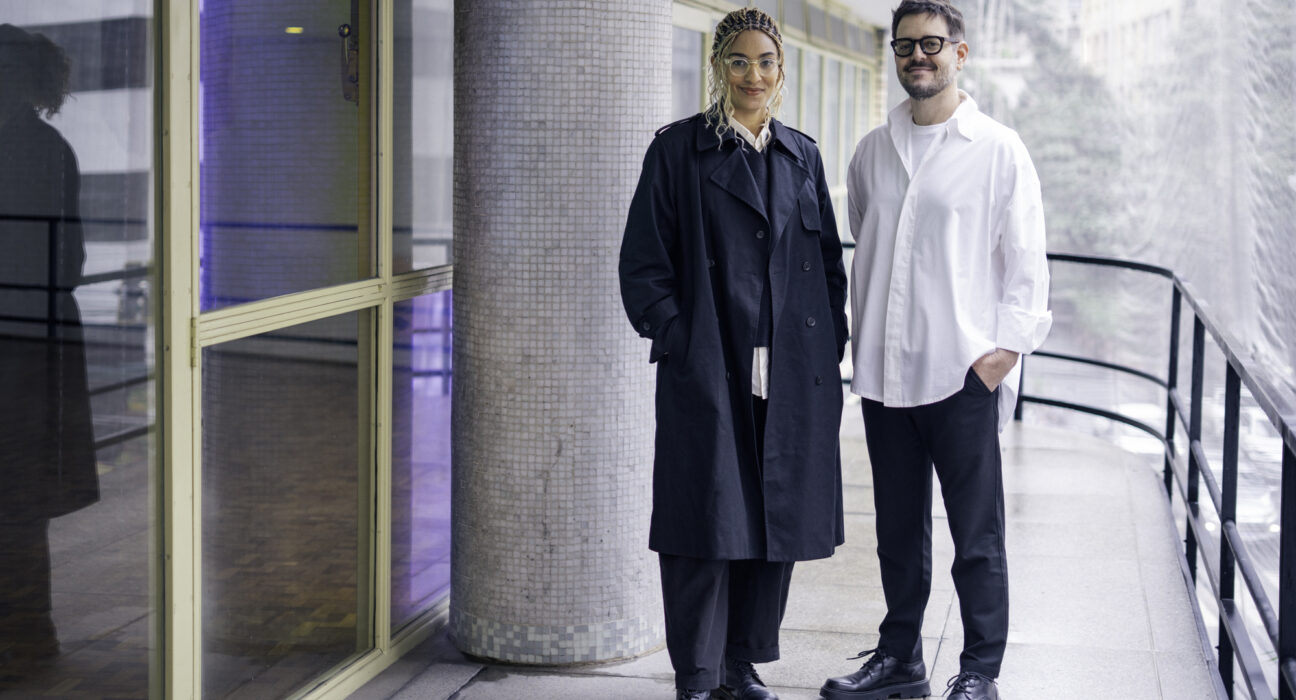
Architecture news rarely captures the wider cultural moment as clearly as this. The 15th São Paulo International Architecture Biennial has appointed Gabriela de Matos and Pedro Rossi as chief curators for its 2027 edition, signaling a bold and timely direction for one of Latin America’s most influential architecture platforms.
Set for September and October 2027, the upcoming Biennial will revolve around the theme Architecture, Culture, and Sovereignty. For readers tracking luxury architecture, luxury design, and the future of global urban discourse, this announcement matters well beyond Brazil. It points to a growing demand for design leadership that is intellectually rigorous, socially aware, and deeply connected to place.
Architecture News From São Paulo: Why This Curatorial Appointment Matters
The São Paulo International Architecture Biennial, organized by the Institute of Architects of Brazil – São Paulo Chapter (IABsp), has long served as a major forum for architecture, urbanism, and cultural debate. First launched in 1973, the event has evolved into a vital meeting point for architects, urban planners, academics, students, and policymakers across generations.
This latest piece of architecture news stands out because the Biennial is not simply naming figurehead curators. Gabriela de Matos and Pedro Rossi will shape the conceptual framework of the event, help assemble the curatorial team, and oversee a public call for co-curators. That means their intellectual priorities are likely to define the exhibition’s tone, its public programming, and its international relevance.
Following the previous edition’s theme, Extremes: Architectures for a Hot World, the 2027 Biennial appears ready to deepen the conversation around how architecture responds to inequality, environmental pressure, and contested urban futures.
Who Are Gabriela de Matos and Pedro Rossi?
Gabriela de Matos: Race, Territory, and Cultural Visibility
Gabriela de Matos is widely recognized for her research into architecture in Africa and its diaspora, especially in relation to Brazil. Her work explores the intersections of race, territory, and the city, areas that are increasingly central to contemporary architecture news and design criticism worldwide.
Her broader profile adds significant weight to the appointment:
- Former co-president of IABsp from 2020 to 2022
- Co-curator of the Brazil Pavilion at the 2023 Venice Architecture Biennale
- Part of the team awarded the Golden Lion for Best National Participation
- Founder of Projeto Arquitetas Negras
- Director of Instituto Cambará and Estúdio Gabriela de Matos
For audiences in luxury architecture and luxury home decor, her selection also reflects a larger shift: design excellence today is increasingly evaluated not only by aesthetics, but by cultural depth, representation, and social relevance.
Pedro Rossi: Housing, Policy, and Democratic Cities
Pedro Rossi brings a complementary yet equally powerful perspective. His career has focused on urban policy, housing, and the role architecture plays in creating more equitable cities. With advanced academic work from ETSAB/UPC in Barcelona and FAUUSP, plus research ties to LABHAB-FAUUSP, Rossi represents the kind of interdisciplinary expertise shaping the most important architecture news stories of the decade.
He is also a member of IABsp’s Higher Council and, like de Matos, teaches at Escola da Cidade. Together, the pair bridges academic inquiry, institutional leadership, and practice-based engagement.
Architecture, Culture, and Sovereignty: The 2027 Theme Explained
The Biennial’s theme, Architecture, Culture, and Sovereignty, suggests an expansive conversation about how built environments express identity, power, and belonging. Rather than treating architecture as an isolated artistic discipline, the event is expected to position it as a public and cultural act.
According to the Biennial’s stated direction, several issues will be central:
- Urban inequality and uneven access to space, housing, and infrastructure
- Climate emergency and the urgent need for resilient design responses
- The right to the city as a framework for democratic urban life
- Plural knowledge systems that expand whose expertise is recognized in architecture
This is especially significant in today’s architecture news landscape, where discussions of sustainability are increasingly intertwined with questions of justice, local knowledge, and material reality.
Why This Matters for Luxury Architecture and Design
At first glance, a socially focused biennial may seem distant from luxury home, luxury decor, or high-end residential design. In reality, the connection is closer than ever. The most sophisticated luxury design now draws from cultural authenticity, regional craft, environmental intelligence, and a sharper understanding of place.
That is why this architecture news resonates across premium categories:
- Luxury architecture is moving toward context-driven design rather than generic global style
- Luxury interiors increasingly value heritage materials, artisanal production, and local narratives
- Luxury home decor buyers are more responsive to meaning, provenance, and sustainability
- Luxury design leaders are watching biennials and cultural institutions for emerging ideas
In that sense, São Paulo’s Biennial is not just a regional event. It is a barometer for how architecture and design values are shifting worldwide.
Brazil as a Global Site of Critical Design Thinking
One of the most compelling aspects of this architecture news announcement is the Biennial’s commitment to grounding the discussion in Brazil’s lived realities. Rather than importing an abstract global agenda, the event aims to use Brazil as a site of critical production, linking established architectural references to practices and experiences that have often remained under-recognized.
This approach has major implications. Brazil has long been influential in modernism, landscape design, and urban experimentation, but the next chapter may be defined by broader visibility for historically marginalized voices and more direct engagement with social and environmental complexity.
For global observers, that makes the 2027 edition one to watch closely. It promises not only exhibitions and debates, but potentially a reframing of what authoritative architectural discourse looks like in the 21st century.
What to Expect Ahead of the 2027 Biennial
As preparations continue, several developments will likely attract ongoing architecture news attention:
- The official curatorial framework and interpretation of the theme
- The selection of co-curators through the public call
- The exhibition and debate formats to be hosted in São Paulo
- International participation from architects, researchers, and institutions
- New conversations around climate, territory, identity, and civic space
Because de Matos and Rossi are known for critical, research-driven work, expectations will be high for a Biennial that is both intellectually sharp and publicly accessible.
Conclusion
This major piece of architecture news confirms that the 15th São Paulo Architecture Biennial is positioning itself at the center of urgent global conversations. By appointing Gabriela de Matos and Pedro Rossi as chief curators, the event is embracing a future in which architecture is inseparable from culture, sovereignty, climate, and urban justice.
For professionals and enthusiasts across luxury architecture, luxury decor, luxury design, and luxury home spaces, the takeaway is clear: the ideas shaping tomorrow’s most compelling built environments will come from design that is rooted, critical, and culturally aware. Expect the 2027 Biennial to be one of the defining architecture events to follow.