

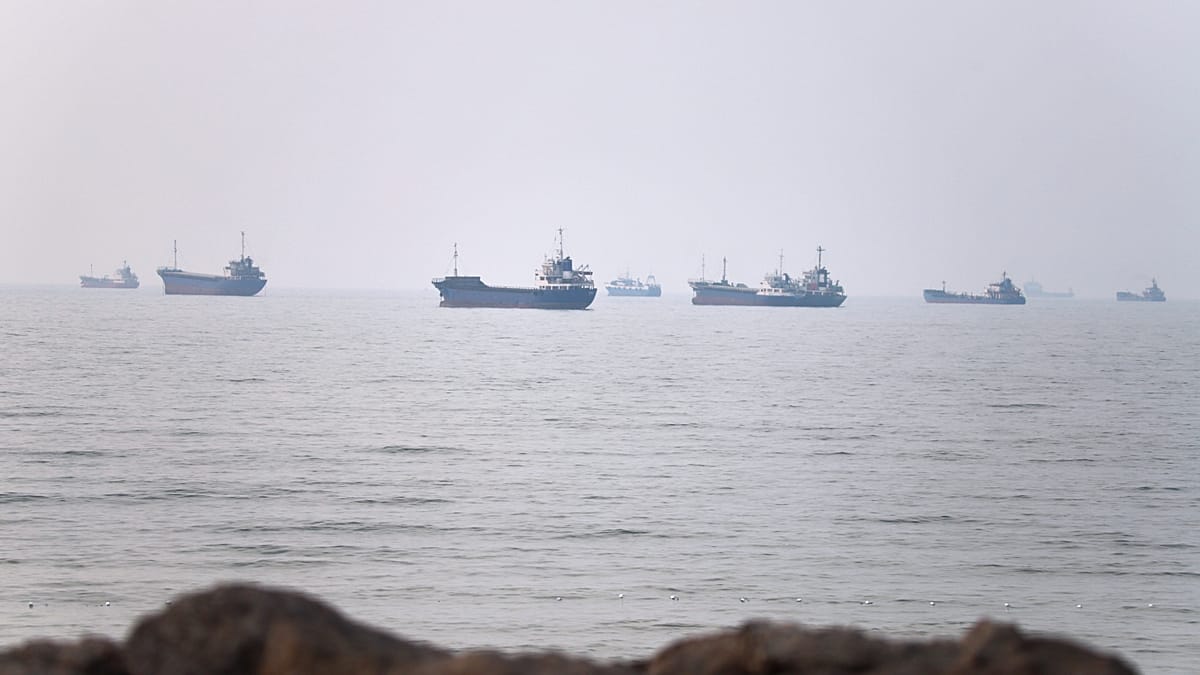
Global conflict can feel distant from the world of high-end homes and collectible interiors—until a chokepoint like the Strait of Hormuz becomes uncertain. As renewed Strait of Hormuz threats intersect with cautious diplomatic progress in Doha, the luxury architecture, luxury design and luxury interiors sectors are being reminded of a hard truth: supply chains shape aesthetics just as much as creativity does.
From rare stone and metals to bespoke lighting, glass, textiles and energy-intensive fabrication, many of the materials behind elite residential and hospitality projects depend on stable shipping lanes and predictable fuel costs. When tension rises around the Gulf, designers, developers and clients everywhere—from London and Paris to Dubai, Miami and Singapore—feel the ripple effects.
Strait of Hormuz threats and the design world’s hidden dependency
The latest round of Strait of Hormuz threats comes as Iran warned vessels to follow approved routes through the strategic waterway, while indirect US-Iran talks in Doha reportedly ended with measured but positive progress. Although the negotiations are centred on security, shipping access and broader regional issues, the implications extend far beyond geopolitics.
The Strait of Hormuz is one of the most critical passages in global trade, especially for oil and gas. For luxury architecture and interiors, that matters in several ways:
- Energy costs influence manufacturing of glass, steel, aluminium, ceramics and cement.
- Freight disruptions delay delivery of custom furnishings, stone slabs and millwork components.
- Insurance and shipping surcharges can sharply raise project budgets.
- Regional sourcing strategies may shift as firms try to reduce exposure to instability.
In other words, Strait of Hormuz threats are not just a headline for traders and diplomats; they can directly affect timelines for penthouses, private villas, branded residences and ultra-luxury hotels.
How geopolitical risk affects luxury architecture projects
Luxury architecture operates on precision, long lead times and exacting specifications. Even a modest delay in the movement of materials can disrupt construction schedules, especially for projects that rely on imported stone, specialist façade systems or custom-engineered fixtures.
1. Material costs become less predictable
When tensions rise in a major shipping corridor, fuel prices and marine insurance costs often climb. That can influence the landed cost of:
- Italian and Greek marble
- Bronze and brass finishes
- High-performance glazing systems
- Custom kitchen hardware and fittings
- Luxury bathroom stone and ceramics
For developers working on flagship residences or resorts, even a small percentage increase can translate into major budget revisions.
2. Construction timelines face pressure
Many luxury builds are sequenced around specialist deliveries. If one shipment of joinery hardware, sculptural lighting or façade elements is delayed, multiple trades can be forced to pause. In top-tier architecture, where bespoke detailing is everything, substitutions are not always acceptable.
3. Clients may prioritise resilience over novelty
The best luxury architecture increasingly balances beauty with durability and procurement security. Rather than waiting on rare imported items with uncertain lead times, clients may prefer design solutions that offer:
- Locally fabricated stone and timber features
- Regionally sourced artisanal finishes
- Modular or adaptable detailing
- Energy-efficient systems that reduce long-term operating exposure
Luxury interiors in an age of supply-chain uncertainty
Luxury interiors are especially sensitive to global shipping friction because they depend on highly curated, often international sourcing. A single residence may combine French textiles, Murano glass, Turkish stone, Japanese wood treatments and custom metalwork fabricated in the Gulf or Europe.
That means Strait of Hormuz threats can have both practical and creative consequences. Designers may need to rethink procurement plans while preserving the exclusivity clients expect.
Design responses already shaping the market
Leading studios are increasingly adapting through a mix of strategic sourcing and smarter specification. Common responses include:
- Early procurement: securing long-lead items well before installation phases.
- Supplier diversification: avoiding overreliance on a single region or shipping route.
- Material flexibility: specifying comparable luxury finishes from multiple origins.
- Inventory planning: warehousing critical pieces closer to project sites.
These shifts are subtle, but they are changing the language of luxury design. Prestige is no longer defined only by rarity; it is also shaped by reliability, craftsmanship and traceable sourcing.
Doha talks offer cautious optimism
Despite the renewed Strait of Hormuz threats, the Doha discussions appear to have produced cautious diplomatic movement. Mediators reported positive progress, and both sides are expected to continue indirect talks after the funeral ceremonies for Iran’s late supreme leader. The current framework reportedly includes temporary passage arrangements, a communications mechanism for alleged violations and further discussion on larger issues such as frozen assets, reconstruction and the nuclear file.
For the luxury property and interiors sectors, this matters because markets respond not only to conflict, but also to expectations. Even limited diplomatic progress can help steady pricing, calm freight markets and reduce panic-driven procurement decisions.
Still, uncertainty remains. Designers and developers would be wise to treat the situation as fluid rather than resolved.
What luxury design professionals should do now
In moments shaped by Strait of Hormuz threats and fragile diplomacy, the most successful firms are typically the most prepared. Practical steps include:
- Audit project dependencies tied to Gulf shipping lanes or energy-intensive manufacturing.
- Build contingency allowances into budgets and schedules.
- Communicate transparently with clients about lead times and alternates.
- Strengthen local artisan networks to reduce procurement risk without sacrificing quality.
- Design for longevity so value is protected even if costs rise during execution.
This is especially relevant in luxury interiors, where craftsmanship and customization can still flourish through regional makers and material intelligence.
Conclusion: Strait of Hormuz threats are a design-sector issue too
The renewed Strait of Hormuz threats may originate in geopolitics, but their effects reach deep into luxury architecture, luxury design and luxury interiors. From material costs and construction schedules to sourcing strategy and client expectations, this narrow waterway has an outsized impact on how exceptional spaces are conceived and delivered.
If there is one clear takeaway, it is this: in a volatile world, the future of luxury will belong to projects that pair refinement with resilience. As Strait of Hormuz threats continue to test global trade, the smartest design leaders will respond with adaptability, stronger sourcing frameworks and a more strategic definition of true luxury.