


Europe Today: How Geopolitics Is Reshaping Luxury Brands, Decor and Design in 2026
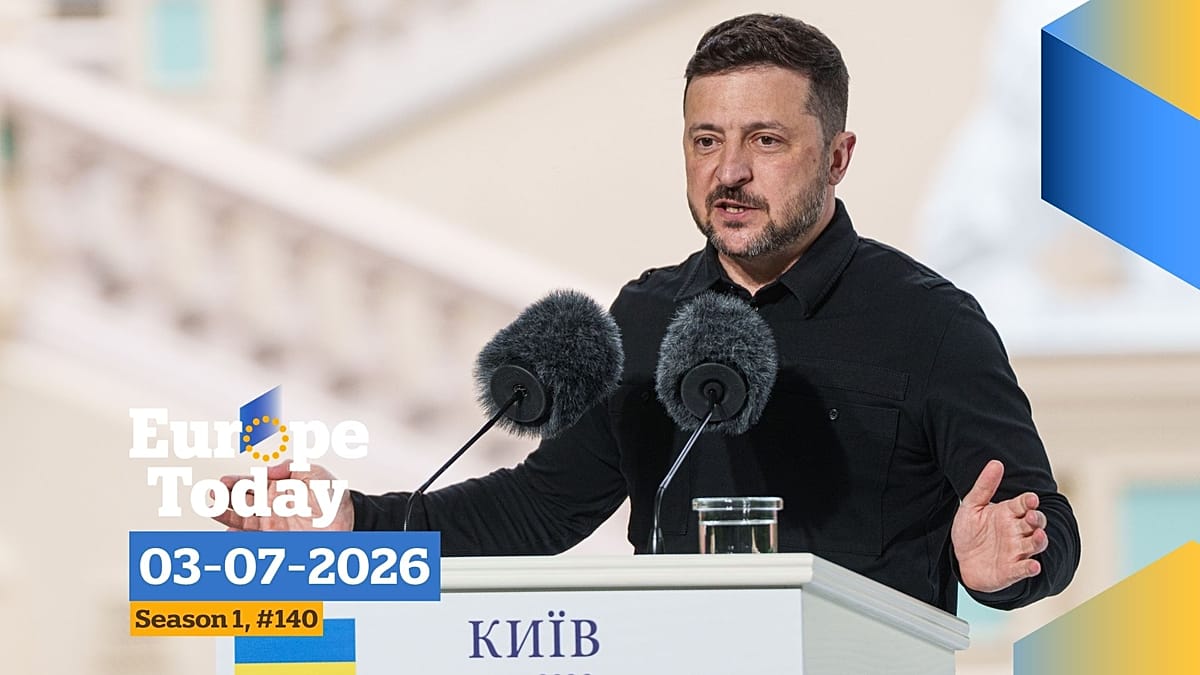
Luxury rarely exists in a vacuum. From sourcing rare materials to setting consumer mood, global events can quickly influence what affluent buyers value, what designers create and how premium brands position themselves. The latest Europe Today developments — from the deadly Kyiv attack and NATO summit preparations to export scrutiny involving Russia — highlight how politics, security and supply chains are increasingly shaping the worlds of luxury brands, luxury decor and luxury design.
While the headlines are geopolitical, their ripple effects reach far beyond government halls. For the luxury sector, these shifts can affect material availability, brand ethics, investor confidence, regional demand and the storytelling that defines high-end products.
Europe Today and the New Reality for Luxury Brands
The central Europe Today story focuses on Ukraine’s day of mourning after a deadly strike on Kyiv, alongside renewed calls for faster air defence support from allies. At the same time, NATO members are preparing for a summit in Ankara, where support for Ukraine, defence spending and wider security tensions are expected to dominate discussions.
For luxury brands, these developments matter in several ways:
- Consumer sentiment shifts: In periods of conflict and uncertainty, buyers often become more selective, favoring brands with a clear ethical stance.
- Reputation risk rises: Premium labels face scrutiny over sourcing, partnerships and exposure to sanctioned or controversial markets.
- Regional strategies change: Brands with a strong European footprint may reassess expansion, logistics and event planning.
Because luxury thrives on aspiration, stability and trust, a volatile geopolitical backdrop can influence everything from flagship launches to private client experiences.
Supply Chains, Sanctions and Material Transparency
Another key Europe Today development is Ireland’s consideration of ending alumina exports to Russia amid concerns that the material could support Moscow’s war effort. This is especially relevant for luxury design and luxury decor, where premium materials and traceable sourcing have become central to brand value.
Alumina is widely used in industrial processes, and broader export restrictions can signal a tougher environment for global raw-material flows. Even when a luxury product does not directly rely on a restricted material, the wider manufacturing ecosystem can still be affected.
Why this matters for luxury design
High-end interiors, collectible furniture and architectural products depend on complex cross-border supply chains. When trade routes tighten or regulations change, luxury design houses may need to:
- Find alternative suppliers in Europe or allied markets
- Invest in more transparent procurement systems
- Increase stock planning for specialty finishes and metals
- Communicate sourcing standards more clearly to clients
In today’s premium market, provenance is no longer a niche concern. It is a selling point.
Ethics as a Luxury Value Signal
The broader Europe Today coverage also includes an EU investigation into the alleged misuse of EU funds by the Patriots political group. While this story is political rather than consumer-facing, it underscores a wider trend: accountability matters more than ever.
Luxury consumers are not only buying craftsmanship and exclusivity. They are also buying into a worldview. This is particularly true in luxury decor and luxury brands that trade on heritage, taste and cultural relevance.
As a result, companies in the high-end space are under pressure to demonstrate:
- Strong governance and compliance
- Responsible sourcing practices
- Clarity around philanthropic or humanitarian commitments
- Distance from politically sensitive revenue streams
For established maisons and emerging design studios alike, trust has become part of the product.
How Conflict Influences Luxury Decor Trends
When the news cycle is dominated by war, instability and diplomatic tension, design preferences often respond in subtle but meaningful ways. One underappreciated angle in Europe Today is how conflict-driven uncertainty can shape private spaces.
The rise of comfort-led luxury
In uncertain times, affluent homeowners often lean toward interiors that feel protective, layered and deeply personal. That can translate into:
- Soft, cocooning textures
- Muted, grounded color palettes
- Handcrafted objects with emotional durability
- Furniture designed for retreat, privacy and wellness
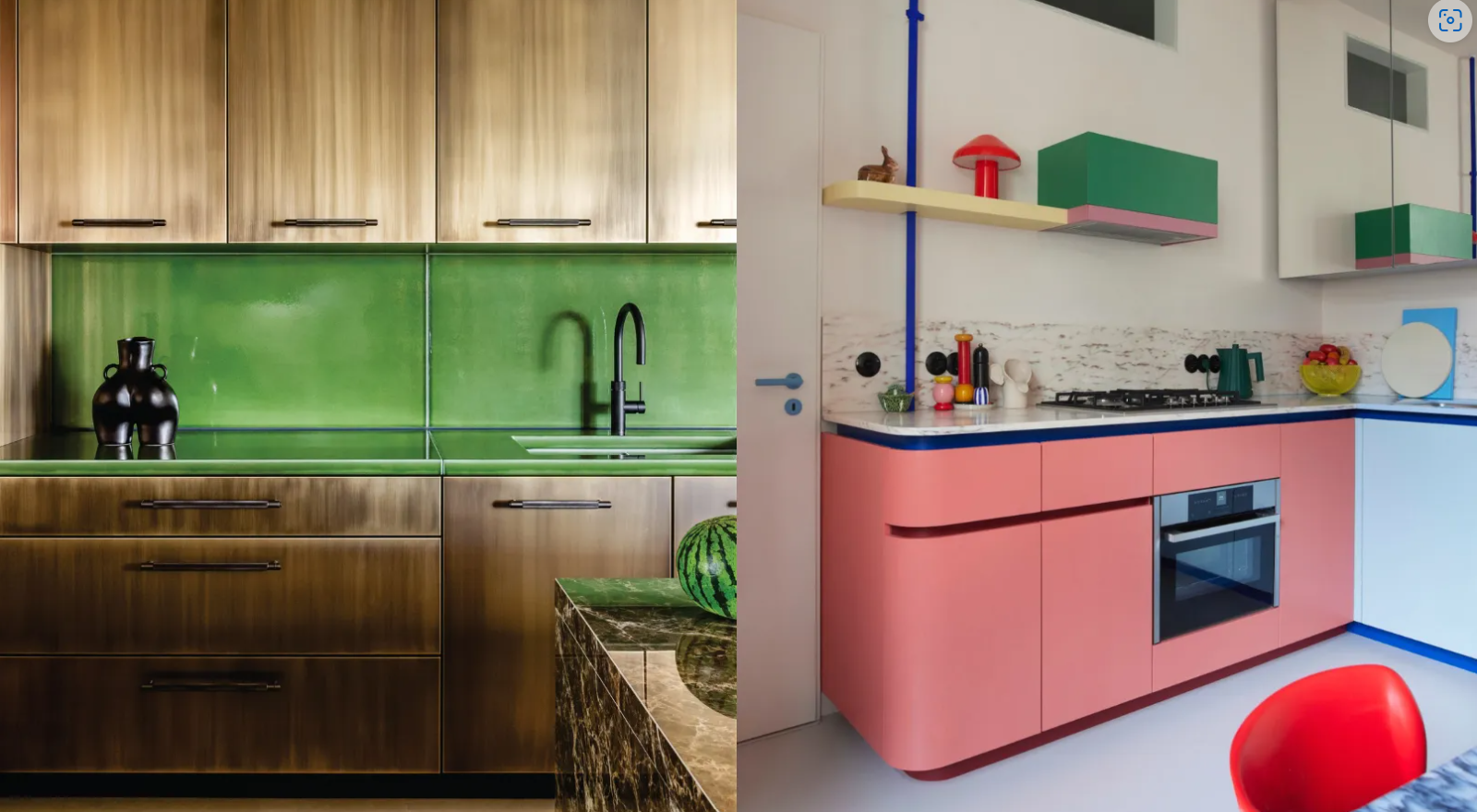
This does not mean luxury decor becomes less sophisticated. Rather, it becomes more intimate, tactile and meaning-driven.
Quiet luxury in the home
The same restraint seen in fashion’s quiet luxury movement continues to influence interiors. Clients increasingly want timeless pieces, artisanal finishes and investment-grade design that feels stable rather than flashy. In the context of Europe Today, that preference makes sense: discretion and longevity feel more relevant than excess when the global backdrop is unsettled.
NATO, Security and the Business of European Luxury
The upcoming NATO summit featured in Europe Today is expected to focus on Ukraine support, defence budgets and regional tensions. Although defence policy may seem distant from luxury retail, the connection is real.
Security concerns can affect:
- Cross-border shipping and insurance costs
- VIP travel and destination retail
- Luxury real estate sentiment in key European capitals
- Major fairs, art events and design weeks
Luxury design ecosystems depend on international mobility. Galleries, ateliers, auction houses, collectors and hotel groups all operate within a broader climate of stability. When that climate changes, premium spending patterns can shift with it.
What Luxury Brands Should Watch Next
Looking ahead, the Europe Today agenda suggests several themes that luxury decision-makers should monitor closely:
- Regulatory tightening: Export controls, sanctions and compliance requirements may expand.
- Values-based consumption: Affluent customers may increasingly reward brands seen as principled and transparent.
- European manufacturing resilience: More brands may localize production to reduce geopolitical risk.
- Storytelling evolution: Heritage alone is not enough; relevance, responsibility and cultural intelligence are becoming essential.
For luxury brands, luxury decor labels and luxury design studios, adaptation will depend on balancing exclusivity with resilience.
Conclusion: Why Europe Today Matters to the Luxury World
The latest Europe Today headlines are a reminder that global politics can have a direct impact on creative industries, premium materials and consumer behavior. From Kyiv’s tragedy and NATO diplomacy to export debates and EU investigations, the forces shaping Europe are also shaping the luxury market.
The takeaway is clear: in 2026, luxury brands cannot afford to ignore geopolitics. The businesses that thrive will be those that pair exceptional design with ethical clarity, supply-chain intelligence and a deep understanding of how world events influence what luxury means now.