
Ukraine and Moldova’s EU Talks Advance: What Accession Momentum Means for European Design and Architecture
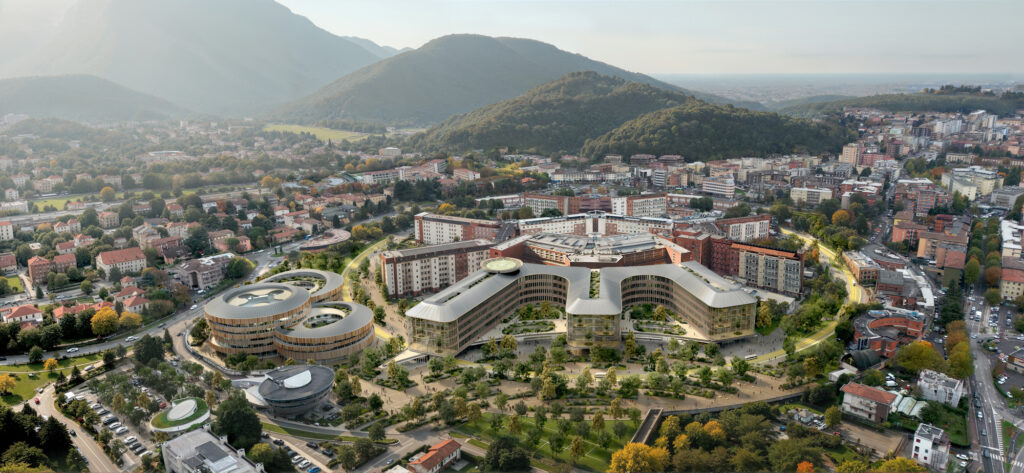
Europe’s political map is shifting again, and the implications reach far beyond Brussels. As Ukraine and Moldova’s EU accession talks move forward, the decision signals not only diplomatic progress but also the long-term potential for transformation across luxury architecture, luxury design, and luxury interiors.
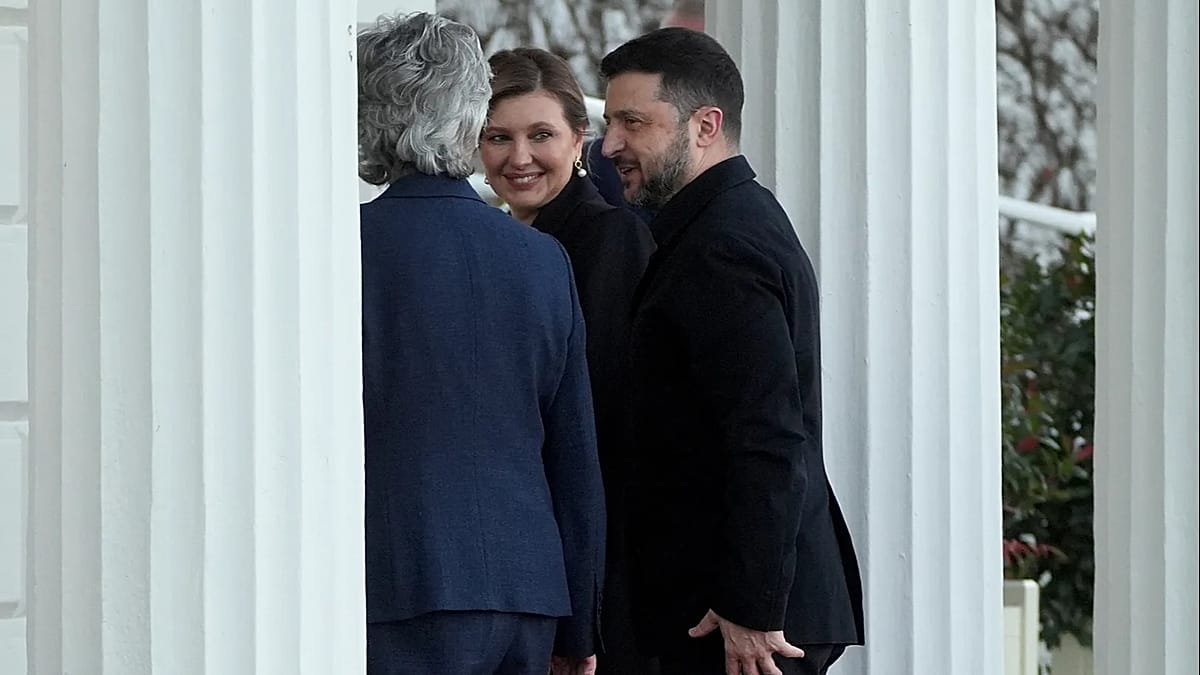
The latest milestone came as EU member states unanimously agreed to begin the process of opening another negotiation cluster with both countries. While this is a political development on its surface, EU accession talks often shape the regulatory, economic, and cultural environment that influences how cities are built, restored, financed, and experienced. For design-led sectors, that matters.
Ukraine and Moldova’s EU Accession Talks Reach Another Milestone
The newly advanced negotiation area is cluster six, focused on external relations, including foreign policy and security matters. A formal ceremony is expected in mid-July after the required procedural steps are completed, including endorsement by ambassadors and final approval of the EU’s common position.
This move follows a period of political friction, particularly over Hungary’s previous resistance to Ukraine’s accession path. That resistance appears to have eased after a change in government in Budapest and subsequent work between Hungarian and Ukrainian officials to address minority rights concerns. With that obstacle partially reduced, EU accession talks for Ukraine and Moldova have regained momentum through a more gradual, cluster-by-cluster approach.
Rather than forcing all remaining negotiation areas forward at once, the current strategy favors steady progress. That pragmatism may prove more effective in keeping all 27 member states aligned.
Why EU Accession Talks Matter Beyond Politics
For readers in luxury architecture and luxury interiors, EU accession talks may seem distant from the world of materials, master planning, bespoke spaces, and cultural design narratives. In reality, accession talks can create conditions that eventually reshape the built environment.
As countries move closer to EU membership, they typically align their laws, standards, procurement systems, and governance structures with the bloc’s framework. Over time, this can influence:
- Urban redevelopment priorities
- Cross-border investment confidence
- Heritage preservation standards
- Infrastructure quality and sustainability benchmarks
- Luxury residential and hospitality development pipelines
In this sense, EU accession talks are also about future placemaking. They can unlock confidence among developers, architects, designers, hoteliers, and international investors looking for stability and long-term vision.
Design Implications for Ukraine and Moldova
As Ukraine and Moldova continue their EU accession talks, the most immediate design implication is not an overnight boom in high-end projects. Instead, it is the gradual creation of a framework in which premium architecture and interior design can flourish more sustainably.
1. Stronger Investment Signals
Political alignment with the EU often reassures institutional investors and private capital. For the luxury real estate and hospitality sectors, confidence is a crucial design catalyst. High-end development depends on predictable regulation, legal clarity, and long planning horizons. EU accession talks help build that perception.
2. Heritage and Identity-Led Regeneration
Both Ukraine and Moldova possess rich architectural identities shaped by layered histories, vernacular materials, and regional craftsmanship. As EU accession talks advance, there may be growing support for preserving historic districts while adapting them for contemporary use.
This creates fertile ground for luxury architecture that blends restoration with modern sophistication, such as:
- Boutique hotels in heritage buildings
- Adaptive reuse of civic and cultural structures
- Private residences that reinterpret local craft traditions
- Refined urban interiors rooted in regional aesthetics
3. Sustainability and Material Standards
EU integration usually requires stricter alignment with environmental and technical standards. That can be highly relevant to luxury design, where sustainability is increasingly tied to prestige. Energy efficiency, responsible sourcing, circular design thinking, and advanced building performance are now central to premium projects across Europe.
In the long run, EU accession talks could help elevate expectations for construction quality and interior specification in both markets, encouraging a more future-focused luxury segment.
A Gradual Strategy May Be the Smartest One
One of the most notable aspects of the current development is the EU’s phased approach. Instead of pushing every unresolved issue into a compressed timeline, the bloc is advancing one cluster at a time. In diplomatic terms, that is pragmatic. In design and development terms, it also reflects how real transformation typically happens: incrementally, then all at once.
For architecture and interiors, systemic change rarely arrives with a single announcement. It emerges through regulations, financing mechanisms, public-private partnerships, talent mobility, and cultural confidence. EU accession talks can act as a foundation for each of those shifts.
The opening of cluster six is especially significant because it covers an area considered less contentious than some others. That makes it a realistic next step and a sign that process, not just symbolism, is moving forward.
What the Luxury Sector Should Watch Next
For professionals and investors in luxury architecture, luxury design, and luxury interiors, the next phase of EU accession talks deserves close attention. Key signals to monitor include:
- Progress on additional negotiation clusters that touch governance, public procurement, environment, and market regulation
- Reconstruction and redevelopment frameworks, especially in Ukraine, where future design opportunities may be historically significant
- Cross-border partnerships involving European studios, artisans, developers, and hospitality brands
- Policy alignment on sustainability that could influence premium construction and interior standards
- Cultural preservation efforts that turn local identity into a defining feature of high-end spaces
These are not abstract policy details. They shape where capital flows, which cities emerge, and how luxury spaces are conceived.
Conclusion: EU Accession Talks Could Shape the Region’s Design Future
The latest step in EU accession talks for Ukraine and Moldova is more than a diplomatic procedural win. It points to a broader trajectory of integration, stability, and long-range transformation that could eventually influence everything from urban regeneration to luxury interiors.
For the design world, the real story is the environment these EU accession talks can help create: one where heritage, sustainability, craftsmanship, and investment confidence come together. If momentum continues, Ukraine and Moldova may not only redraw Europe’s political future, but also contribute meaningfully to its next chapter in architecture and design.