

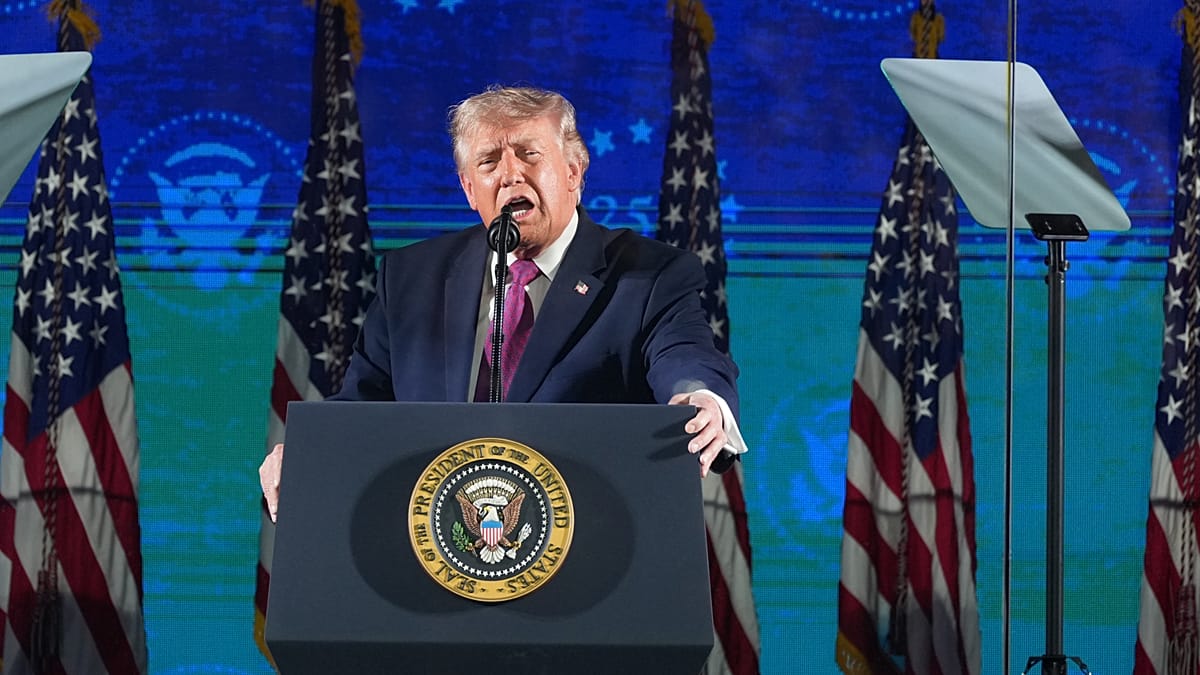
As America marks its 250th anniversary, the headlines are not only about politics and public ceremonies—they are also about climate stress, urban resilience, and the changing demands placed on the built environment. The cancellation of Washington’s parade amid dangerous temperatures has thrust luxury design into a new conversation: how premium architecture, interiors, and public spaces must respond when heat, wildfire risk, and large-scale disruption become part of everyday planning.
The national celebrations unfold against a striking contrast. In Washington, temperatures were forecast to climb to 46°C, forcing closures and event changes. In parts of the western United States, wildfires have triggered evacuations and damaged structures. For architects, developers, and interior designers working at the high end of the market, these events underscore a reality that can no longer be treated as temporary: exceptional design must now deliver comfort, continuity, and resilience under extreme conditions.
Luxury Design Meets a New Era of Climate Resilience
Traditionally, luxury design has been associated with craftsmanship, rare materials, bespoke detailing, and visual distinction. Today, that definition is expanding. Clients increasingly expect homes, hospitality spaces, and civic-adjacent properties to perform beautifully under pressure, whether that means cooling efficiently during a heatwave or remaining functional during air quality alerts caused by wildfires.
The events surrounding the Independence Day celebrations highlight how environmental conditions can affect everything from mobility to safety. When a major public parade in the US capital is cancelled because of heat, it sends a signal to the design world: outdoor environments, building envelopes, and interior systems need to be conceived for a more volatile climate.
Why High-End Projects Are Rethinking Performance
In premium residential and hospitality sectors, performance is becoming inseparable from prestige. Luxury design now often includes:
- Advanced passive cooling strategies
- High-performance glazing and solar shading
- Fire-resistant exterior materials
- Backup energy and water systems
- Air purification and wellness-focused interiors
- Landscape planning that reduces heat absorption
These elements do more than improve safety. They elevate comfort, protect property value, and align with a modern definition of luxury that prizes seamless living in all conditions.
What Washington’s Heatwave Reveals About Luxury Architecture
The closure of parts of Washington’s holiday programming during the hottest hours of the day illustrates a growing challenge for cities and private developments alike. Luxury architecture can no longer rely solely on visual grandeur; it must also moderate environmental extremes.
Urban heat exposure is especially relevant in dense districts where paved surfaces, reflective facades, and limited tree canopy intensify temperatures. In this context, luxury design solutions are increasingly architectural as much as decorative.
Architectural Features Gaining Importance
Designers are turning to a range of strategies that merge elegance with environmental intelligence:
- Deep overhangs and operable screens to reduce solar gain without sacrificing aesthetics
- Natural stone and thermally stable materials that help regulate indoor temperature
- Shaded courtyards and water elements that create cooler microclimates
- Green roofs and planted terraces that soften heat islands
- Smart home climate systems that adjust room-by-room in real time
For luxury developers, these features are becoming market differentiators. A residence that remains serene, cool, and energy efficient during a record heat event offers a level of confidence that affluent buyers increasingly value.
Luxury Interiors in an Age of Heat and Air Quality Concerns
Extreme weather affects interiors just as directly as exteriors. If outdoor festivities can be delayed, cancelled, or relocated because of heat, indoor environments become more important as sanctuaries. That shift is influencing luxury interiors, where comfort is now tied to health, adaptability, and atmospheric control.
In wildfire-affected regions such as Colorado and Utah, where evacuations and structure loss have been reported, interior planning also takes on a protective function. Luxury design increasingly addresses air filtration, material durability, and emergency preparedness without compromising refinement.
Interior Priorities Defining the Premium Market
- Quiet HVAC integration for powerful cooling without visual clutter
- Medical-grade air purification integrated into whole-home systems
- Low-toxicity, low-VOC finishes that support indoor wellness
- Thermally adaptive textiles such as breathable linens, performance wools, and layered natural fibers
- Dedicated refuge spaces like wellness rooms, shaded lounges, and backup-powered suites
This is where luxury design becomes especially compelling: the best interiors do not merely look calm—they actively create calm through temperature stability, acoustics, filtered air, and intuitive layouts.
From Symbolic Celebration to Long-Term Design Lessons
The US 250th anniversary celebrations were meant to center on spectacle, ceremony, and national symbolism. Yet the cancellation of a major parade and the strain of extreme temperatures tell another story—one about infrastructure, preparedness, and the lived reality of climate volatility. For professionals in luxury design, this moment offers practical lessons that reach far beyond a single holiday weekend.
Key Takeaways for Designers and Developers
High-end projects should increasingly plan for:
- Heat resilience as a baseline requirement, not an optional upgrade
- Flexible indoor-outdoor living that can adapt when exterior conditions become unsafe
- Material intelligence that considers fire, sun exposure, and longevity
- Wellness-led interiors that protect occupants during smoke, heat, or grid stress
- Landscape integration that cools, shades, and conserves water
These shifts are especially relevant across luxury residences, boutique hotels, branded living concepts, and landmark mixed-use developments. Beauty remains essential, but resilience is now part of the aesthetic brief.
The Future of Luxury Design Is Beautiful, Smart, and Prepared
As political speeches, cancelled public events, and severe weather shape the backdrop of America’s milestone celebrations, one message stands out for the design industry: premium spaces must do more than impress. The future of luxury design lies in its ability to combine elegance with endurance, crafting buildings and interiors that remain exceptional even when the environment is under strain.
For architects, interior designers, and developers, the takeaway is clear. Luxury design is entering a performance-driven era, where thermal comfort, air quality, resilience, and refined aesthetics are all part of the same vision. In a world of hotter cities and more unpredictable disruptions, true luxury will belong to spaces that are not just stunning, but ready.