

WWII Gun Recovered in Germany: Why a River Discovery Still Shapes Historic Design Narratives
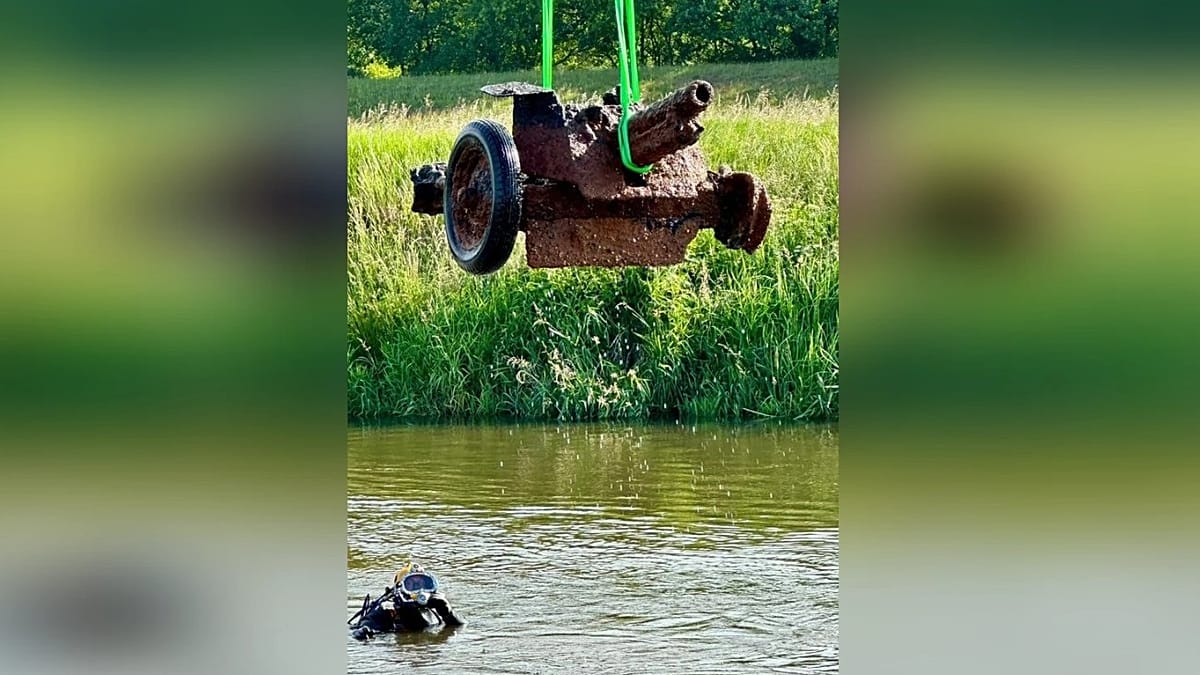
A WWII gun recovered in Germany may seem far removed from the worlds of luxury brands, luxury decor, and luxury design. Yet discoveries like this reveal how deeply history influences the objects, materials, and visual language that shape premium interiors and collectible design today.
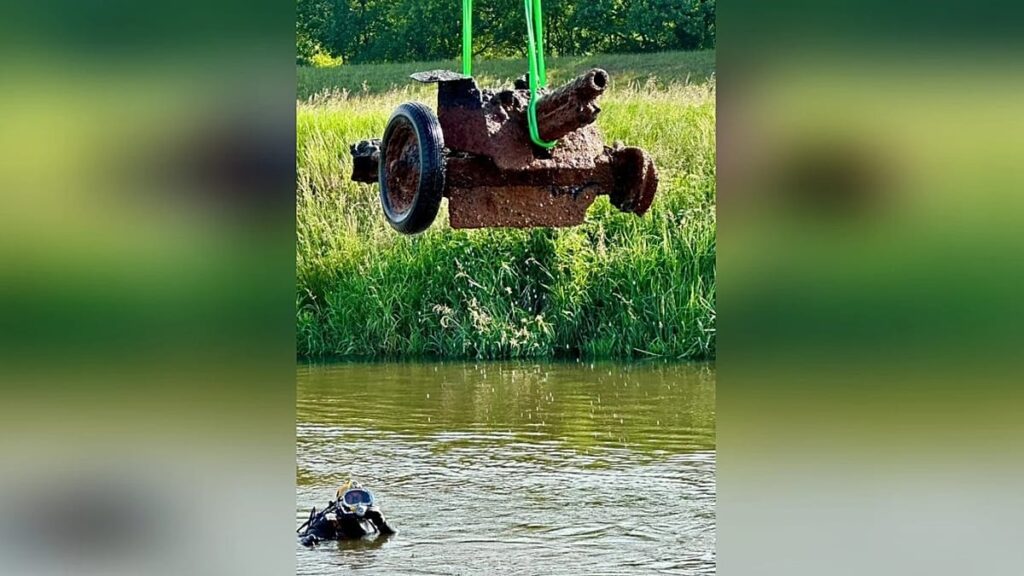
Authorities in Germany recently recovered a Soviet 76 mm infantry gun, model M1943, from the Neisse river near Forst in Lower Lusatia, close to the Polish border. The weapon, reportedly found during waterway works around 20 kilometres from Cottbus, was heavily rusted but unusually well preserved thanks to the mud and sand that encased it for decades. While the artifact is expected to be dismantled rather than displayed, the find has renewed interest in how wartime remnants survive in landscapes, archives, and even design memory.
What Happened in the WWII Gun Recovered in Germany Discovery
The WWII gun recovered in Germany was identified by Germany’s Explosive Ordnance Disposal Service, known as KMBD, as a Soviet Red Army weapon dating to the final phase of the Second World War. According to regional reporting, the artillery piece was discovered in the Neisse river near Forst, an area that saw intense fighting in April 1945.
Forst, located in the Spree-Neisse district of Brandenburg, was nearly destroyed during the closing battles between the German Wehrmacht and the advancing Red Army. That historical backdrop makes the recovery especially significant: it is not just an isolated object, but a physical trace of one of Europe’s most devastating military confrontations.
Why the weapon was so well preserved
Although the gun was badly corroded on the surface, experts said its overall structure remained in strikingly good condition. Preservation in river mud and sand can slow certain forms of deterioration by limiting oxygen exposure and shielding metal from repeated disturbance. That helps explain why the WWII gun recovered in Germany stands out as a rare regional find.
What happens next
Despite its historical value, the weapon is reportedly not headed to a museum. Instead, it has been transferred to a dismantling facility in Kummersdorf, where it will likely be safely disposed of. That decision reflects a recurring European reality: unexploded or unstable wartime materials are often treated first as public safety risks, and only secondarily as heritage objects.
Why a WWII Gun Recovered in Germany Matters Beyond Military History
The story of a WWII gun recovered in Germany resonates beyond headlines because it speaks to the endurance of material culture. Designers, collectors, and luxury tastemakers increasingly draw inspiration from historical textures, industrial patina, and layered narratives. In that sense, even a wartime recovery can inform broader conversations about authenticity, preservation, and the emotional power of objects.
Luxury design today often borrows from eras marked by upheaval and reconstruction. Mid-century European interiors, adaptive reuse architecture, and museum-grade decorative arts all reflect a fascination with resilience. When an artifact surfaces from a river after more than 80 years, it reminds us that history is not abstract. It remains embedded in landscapes, buildings, and material choices.
Design themes this discovery brings into focus
- Patina and age: Weathered surfaces continue to inspire luxury decor, from oxidized metals to aged stone finishes.
- Material memory: Objects with provenance carry emotional and cultural weight that mass-produced pieces cannot replicate.
- Post-war aesthetics: European reconstruction shaped modernist furniture, minimalist architecture, and functional elegance.
- Preservation versus disposal: The balance between conserving history and ensuring safety remains central in heritage-led design.
Luxury Design Lessons From a WWII Gun Recovered in Germany
At first glance, the WWII gun recovered in Germany belongs to archaeology and public safety, not refined interiors. But the luxury sector has long transformed difficult histories into thoughtful design references, particularly through curation, restoration, and storytelling.
High-end design is no longer only about perfection. It increasingly values:
- Context — knowing where an object, material, or aesthetic language comes from.
- Craftsmanship — understanding how time, use, and environment shape a piece.
- Rarity — appreciating finds that cannot be easily repeated or manufactured.
- Narrative depth — creating spaces that feel layered rather than generic.
This is why reclaimed wood, hand-finished bronze, archive-inspired textiles, and heritage architecture remain so desirable in the premium market. The appeal lies not simply in appearance, but in the feeling that a space has lived through time.
From battlefield remnants to collectible aesthetics
No responsible designer glamorizes war. However, the material aftermath of conflict has undeniably shaped visual culture. Across Europe, wartime destruction led to reconstruction movements that influenced everything from Bauhaus-inspired restraint to the clean lines of later luxury minimalism. The WWII gun recovered in Germany is a stark reminder that many celebrated design periods emerged from efforts to rebuild, simplify, and restore dignity through form.
Europe’s Ongoing Recovery of Wartime Objects
The WWII gun recovered in Germany is part of a wider pattern. Across Europe, bombs, ammunition, and military equipment from the 1939-1945 period still surface during infrastructure works, river dredging, and construction projects. In recent years, major cities including Paris and Cologne have faced disruptions and evacuations after unexploded ordnance was found.
These incidents underline three important realities:
- Second World War remnants remain widespread across the continent.
- Urban development frequently intersects with buried history.
- Public memory is often reactivated through unexpected physical discoveries.
For cultural sectors, including luxury brands and design houses, that ongoing recovery of history matters. It reinforces the value of responsible storytelling, archival sensitivity, and place-based design that acknowledges local memory rather than erasing it.
Conclusion: The Deeper Meaning of a WWII Gun Recovered in Germany
The WWII gun recovered in Germany is more than a recovered weapon from a riverbed. It is a reminder that Europe’s landscapes still hold unresolved fragments of the past, and that material history continues to influence how we build, decorate, and define luxury today.
For readers in the worlds of luxury brands, luxury decor, and luxury design, the takeaway is clear: the most compelling spaces and objects are often those rooted in authenticity, memory, and respect for history. Even a rusted wartime artifact can sharpen our understanding of provenance, preservation, and the enduring power of design narratives.