


Luxury Design in Uncertain Times: What Yemen’s Crisis Reveals About the Future of Safe, Private Living

Luxury design is often discussed through the lens of beauty, rarity and status. But moments of global instability remind us that the most enduring form of luxury may be security, privacy and resilience. As headlines from Yemen continue to highlight attacks on shipping routes, regional escalation and infrastructure disruption, the wider design world is being pushed to reconsider what premium living really means.
For affluent homeowners, developers and luxury brands, the lesson is clear: luxury design is no longer just about aesthetics. It is increasingly about creating spaces that feel protected, self-sufficient and emotionally restorative in a world marked by volatility.
Luxury Design and the New Meaning of Security
The recent stream of developments linked to Yemen points to a broader geopolitical reality. Ongoing maritime incidents in the Red Sea, strikes involving Houthi targets, disruption affecting ports and airports, and pressure on regional infrastructure all reinforce how quickly global instability can influence trade, travel and lifestyle expectations.
That shift matters deeply to the high-end interiors and architecture market. Today’s wealthy buyers are not simply seeking impressive square footage or collectible furnishings. They are investing in homes and hospitality spaces that can deliver peace of mind.
In practical terms, luxury design is evolving to include:
- Enhanced privacy planning, including layered entrances and discreet circulation routes
- Advanced security integration that does not compromise elegance
- Backup power, water filtration and smart climate control
- Materials chosen for durability as well as prestige
- Wellness-focused rooms that support calm during stressful periods
This is where luxury brands and designers have a major opportunity. Rather than treating resilience as a technical afterthought, they can make it part of the premium experience.
How Global Conflict Impacts Luxury Brands and Supply Chains
Although the news from Yemen is political and humanitarian in nature, it also has economic consequences that ripple into luxury decor and luxury design. The Red Sea is one of the world’s most important shipping corridors. Repeated reports of cargo vessel attacks, ship fires and naval responses signal the vulnerability of international logistics networks.
For luxury brands, that can mean:
- Longer lead times for bespoke furniture and artisan-made pieces
- Higher freight and insurance costs
- Delays in raw materials such as stone, metals, textiles and specialty woods
- Greater pressure to regionalise production and warehousing
In response, many premium companies are rethinking sourcing strategies. Some are diversifying suppliers across Europe, the Gulf and Asia. Others are investing in nearshoring or limited-edition collections that rely on locally available craftsmanship. In both cases, luxury design becomes more agile and less dependent on fragile global routes.
This may ultimately benefit the sector. Scarcity, traceability and craftsmanship are already core pillars of luxury. A more local, transparent supply model can strengthen brand storytelling while reducing exposure to geopolitical chokepoints.
Luxury Decor Trends Shaped by a Desire for Refuge
One of the most visible outcomes of uncertainty is the growing appeal of interiors that function as sanctuaries. When global news cycles are dominated by conflict, disruption and unpredictability, clients often gravitate toward spaces that feel grounded and restorative.
Quiet Materials and Calming Palettes
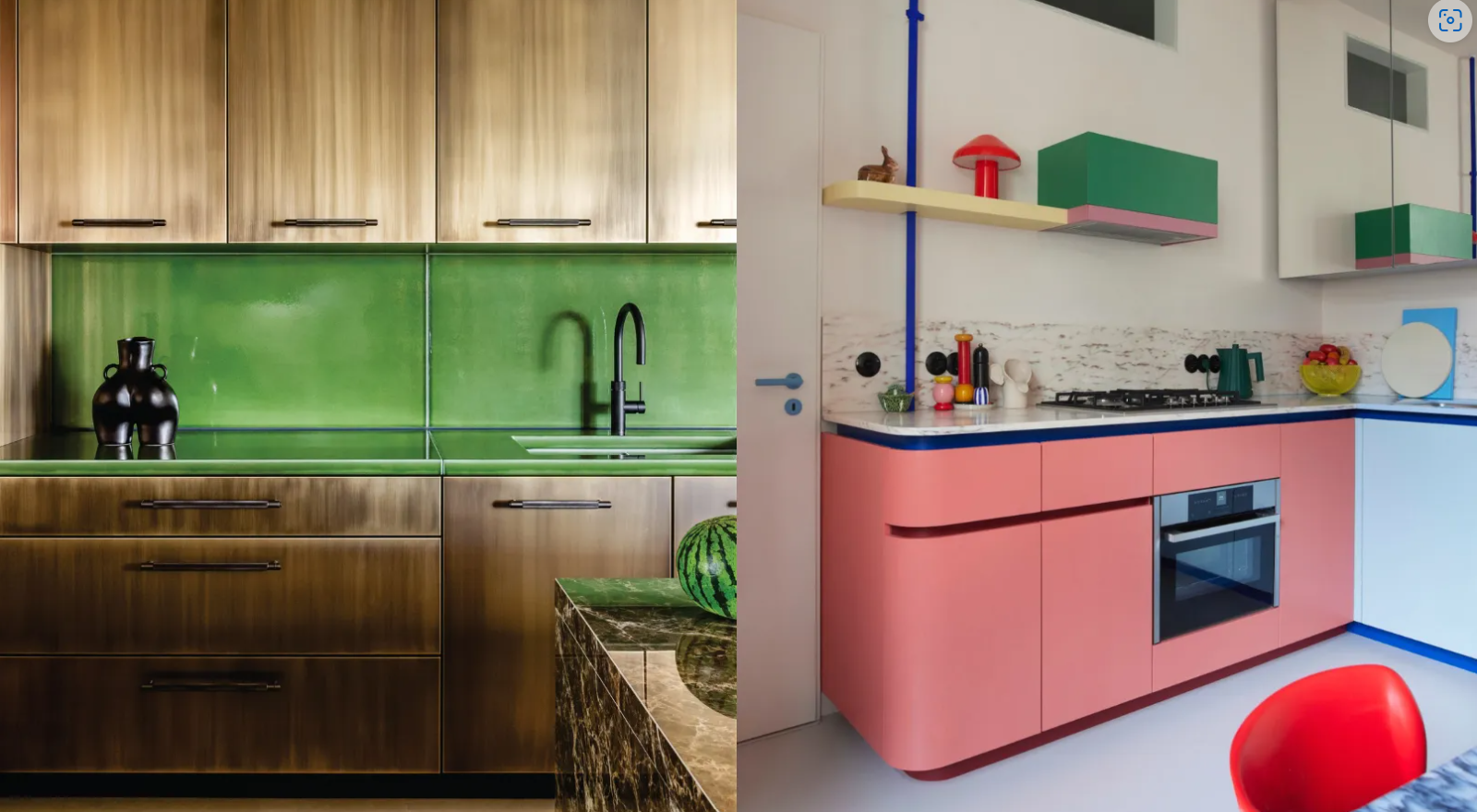
Soft stone, brushed wood, natural plaster, boucle upholstery and muted tones continue to resonate because they reduce visual noise. In this context, luxury decor is moving away from excess for its own sake and toward sensorial comfort.
Private Wellness Spaces
Home spas, meditation rooms, sound-insulated libraries and indoor garden courtyards are increasingly seen as essentials rather than indulgences. Luxury design now frequently integrates wellness architecture from the earliest planning stages.
Flexible, Self-Sufficient Living
Affluent buyers are also asking for homes that can operate more independently. That includes concealed storage, adaptable guest suites, home offices with secure communications technology, and kitchens designed for extended self-reliance without sacrificing refinement.
These choices reflect a subtle but important transition: luxury decor is becoming less performative and more protective.
What Luxury Design Can Learn from Regional Instability
The headlines tied to Yemen also underscore the importance of long-term thinking. Whether the issue is attacks on ports, airport shutdowns, detention crises or cross-border military escalation, instability exposes weaknesses in systems people once assumed were permanent.
Designers and developers can take several cues from this reality:
- Prioritise resilience from the blueprint stage. Security, energy backup and water systems should be integrated, not added later.
- Value discretion as a premium feature. True luxury increasingly means privacy without fortress-like aesthetics.
- Design for emotional wellbeing. Spaces should reduce stress, improve acoustics and create a sense of control.
- Choose timelessness over trend-chasing. In uncertain periods, clients often prefer interiors that feel stable and enduring.
- Build supply chain intelligence into brand strategy. Luxury brands that can adapt quickly will protect both reputation and margins.
This is why luxury design today extends beyond form and finish. It is becoming a framework for safe, intentional living.
The Opportunity for Luxury Brands, Developers and Designers
Periods of tension often reshape consumer values. The affluent market is no exception. Clients still want beauty, but they increasingly expect homes, hotels and branded residences to deliver control, continuity and comfort under pressure.
That opens the door for luxury brands to collaborate more deeply with architects, interior designers and property developers on integrated solutions. Think handcrafted panic-room doors disguised as millwork, artisan lighting paired with intelligent energy systems, or couture textiles selected for both elegance and performance.
The future of luxury design lies in this fusion of refinement and readiness. The best spaces will not advertise fear. Instead, they will quietly deliver confidence.
As events connected to Yemen continue to influence regional security and global shipping, the design sector has a chance to redefine what premium value looks like. The next era of luxury may be less about overt display and more about serenity, sovereignty and subtle protection.
Conclusion: Luxury Design Must Now Balance Beauty and Resilience
The ongoing crisis reflected in Yemen’s headlines is a reminder that the world’s instability does not stay neatly contained within politics. It affects travel, trade, sourcing and ultimately the way people want to live. For that reason, luxury design is entering a more thoughtful phase—one where elegance must work hand in hand with privacy, durability and peace of mind.
The clearest takeaway is simple: in a fragile world, the most valuable luxury design is not only beautiful, but resilient enough to protect the life built inside it.