JD Vance’s “beautiful Britain” comments have ignited fresh debate far beyond Westminster. For audiences interested in luxury brands, luxury decor and luxury design, the political moment matters because national leadership shapes confidence, culture, investment and the image a country projects to the world.
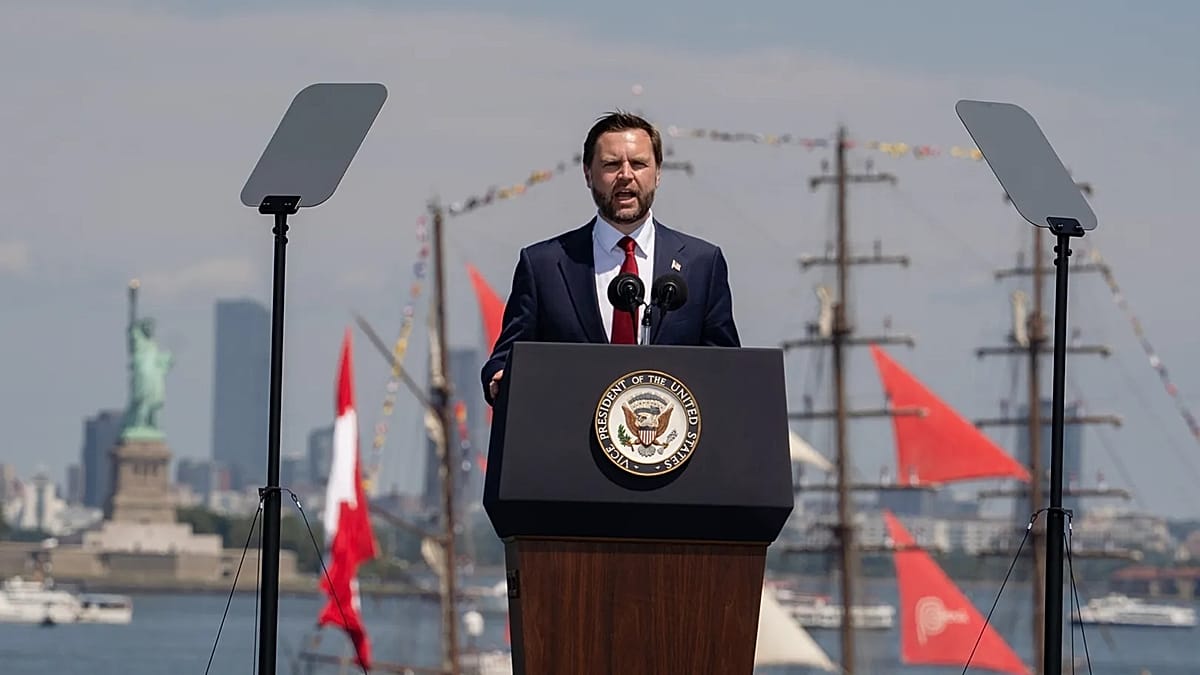
In a recent interview, the US vice president praised Britain as an “amazing” and “beautiful” country while arguing that it has been failed by its leadership for years. His remarks arrived just after Prime Minister Keir Starmer announced his resignation, opening yet another chapter in a period of intense political turnover. The contrast at the heart of the story is striking: admiration for Britain’s enduring appeal paired with sharp criticism of its political system.
JD Vance’s “Beautiful Britain” Comments and Why They Matter
The phrase beautiful Britain resonates because it captures something many global observers still believe about the UK: it remains one of the world’s most admired cultural destinations. From historic architecture and refined interiors to heritage craftsmanship and premium retail, Britain continues to hold enormous soft power.
Vance’s argument, however, is that this beauty and prestige are being undermined by weak governance and structural political failure. He said British politics appears “very broken” and suggested the public is demanding meaningful change. His comments also pointed to the possibility of new leadership under Andy Burnham, who is widely expected to play a major role in what comes next.
This is why the beautiful Britain narrative has gained traction: it links the emotional idea of national identity with hard questions about policy, leadership and stability.
Leadership Upheaval in the UK
Starmer’s resignation follows heavy pressure after poor local election results, underscoring how volatile British politics has become. If Burnham ultimately takes over, Britain would see its seventh prime minister in just 10 years — a remarkable level of instability for a country that markets itself globally as a benchmark of tradition and continuity.
That contradiction matters. For investors, creative industries and international luxury markets, political turnover can affect:
- Consumer confidence and spending patterns
- Currency sentiment and import costs
- Long-term business planning
- Foreign investment in premium property and design
- The global prestige attached to British heritage sectors
When people hear beautiful Britain, they often think of stately homes, Savile Row tailoring, Mayfair showrooms, iconic hotels and museum-grade craftsmanship. But these industries thrive best in a stable policy environment.
Why This Story Connects to Luxury Brands and Luxury Design
At first glance, a political dispute may seem distant from luxury decor or luxury design. In reality, the connection is direct. The UK’s premium economy relies heavily on reputation, and reputation is built on more than aesthetics alone.
Britain’s luxury identity is rooted in trust
British luxury has long been associated with heritage, discretion, quality and permanence. Whether the category is interiors, bespoke furniture, architectural restoration or high-end retail, buyers are purchasing more than products — they are buying into the idea of beautiful Britain.
That idea includes:
- Historic continuity
- Political maturity
- Cultural confidence
- World-class design standards
- Institutional credibility
When international political figures suggest Britain is not functioning well, it can challenge the stability that underpins premium positioning.
Luxury markets are sensitive to national mood
Periods of uncertainty often reshape demand. Some affluent consumers become more cautious, while others move toward timeless, investment-worthy pieces such as artisan furnishings, collectible design and heritage home goods. In that sense, the conversation around beautiful Britain may actually intensify interest in British-made excellence as consumers seek authenticity during instability.
Vance, Europe and a Wider Political Rift
Vance’s comments on beautiful Britain do not exist in isolation. Since taking office in 2025, he has repeatedly criticized both the UK and Europe on immigration, free speech and democratic governance. He has also drawn backlash for earlier comments aimed at European leaders and institutions, including a confrontational speech at the Munich Security Conference.
The latest intervention fits a broader pattern: Vance frames Western political systems as disconnected from voters and too slow to respond to public anger. In the British context, that critique lands at a particularly sensitive moment, as the country once again confronts questions over who can restore direction and credibility.
His position also aligns with criticism from President Donald Trump, who has attacked Starmer’s record on immigration and energy policy. Together, these comments suggest that Britain’s domestic political crisis is being watched closely from Washington — and judged through a highly ideological lens.
Can Britain Protect Its Prestige?
The enduring strength of beautiful Britain is that the country’s appeal does not depend on one leader or one government. Britain still possesses major cultural advantages:
- Globally recognized design heritage
- Historic homes and landmark architecture
- Strong luxury retail districts
- Deep talent in interiors, craft and fashion
- A powerful international tourism brand
Yet prestige cannot be taken for granted. Leadership instability, divisive rhetoric and policy uncertainty can all weaken the ecosystem that supports luxury growth. For categories such as luxury brands, luxury decor and luxury design, the biggest question is not simply who becomes prime minister next. It is whether the next government can reinforce the sense of order, aspiration and confidence that makes Britain commercially and culturally compelling.
What the “Beautiful Britain” Debate Really Reveals
Ultimately, the beautiful Britain debate is about more than a provocative soundbite. It reflects a deeper struggle between image and infrastructure: how a nation admired for beauty, heritage and taste can reconcile that identity with political turbulence and public dissatisfaction.
For luxury-focused audiences, that tension is worth watching closely. The UK’s design prestige remains formidable, but prestige flourishes best when supported by steady leadership and clear national direction. If Britain can align its political future with the elegance, quality and resilience already embedded in its cultural brand, then beautiful Britain may become more than a nostalgic phrase — it may become a renewed strategy for national confidence.
In the months ahead, as leadership changes unfold, the world will be watching whether beautiful Britain remains a symbol of enduring excellence or a reminder of unrealized potential. The takeaway is simple: beauty builds admiration, but leadership sustains it.