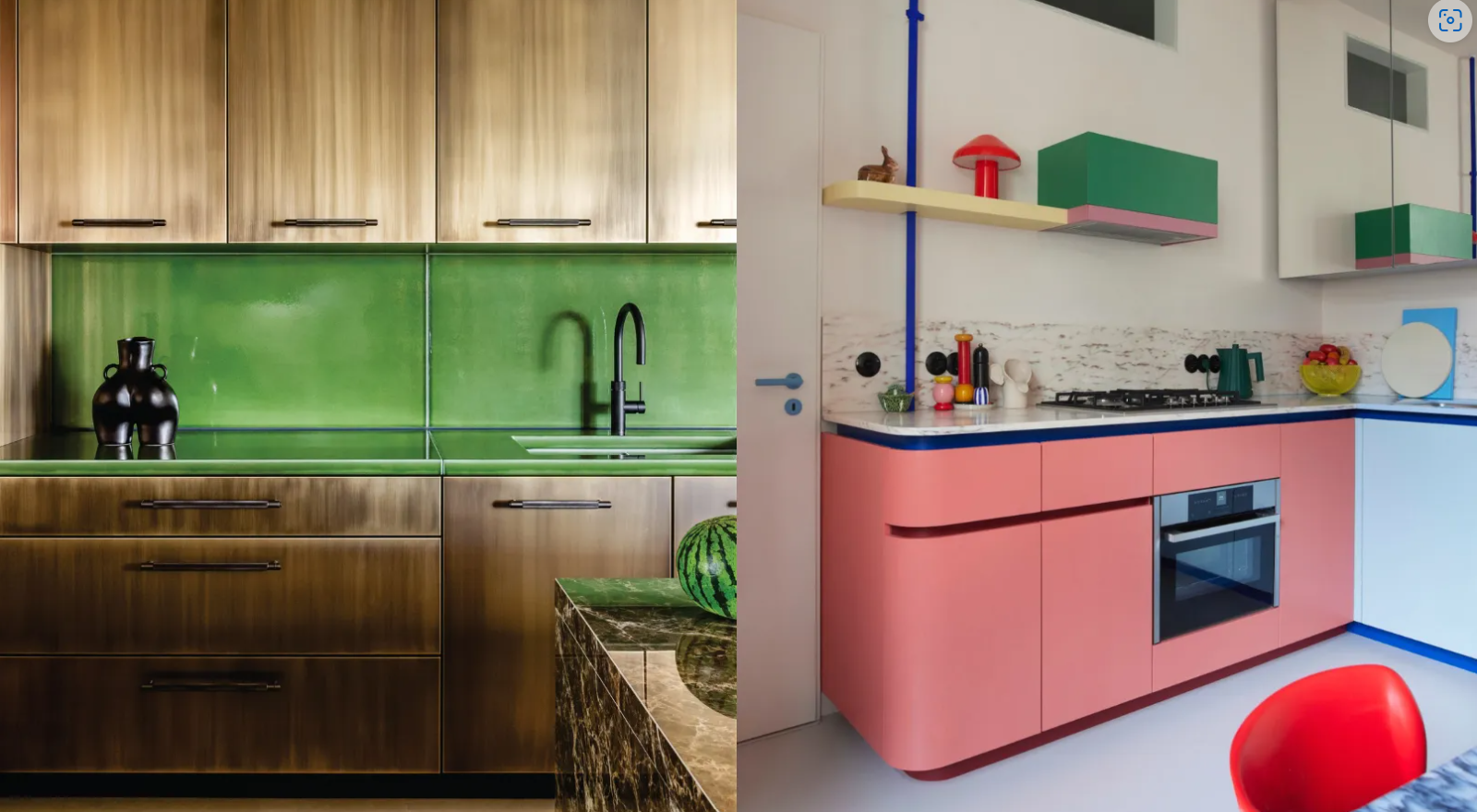
The UK is sending powerful signals to the global premium market. From climate extremes and political instability to shifting travel habits and cultural demand, UK luxury trends are no longer shaped by aesthetics alone—they are increasingly influenced by resilience, ethics and experience.
Recent headlines across Britain point to a country in transition. While many of the stories are political, environmental or economic on the surface, they also reveal deeper forces that matter to high-end retail, hospitality, interiors and design-led living. For luxury brands, luxury decor houses and luxury design studios, the UK remains a vital reference market—but one that now demands sharper strategy and greater adaptability.
UK luxury trends are being reshaped by climate and comfort
One of the clearest signals comes from the weather. With England recording its warmest June and heatwaves pushing temperatures to exceptional levels, climate is becoming more than an environmental issue—it is a design brief.
For luxury decor and luxury design, this changes how premium spaces are conceived, furnished and marketed. Wealthy consumers still want beauty, but they also expect homes, hotels and private retail environments to perform under stress.
What this means for luxury interiors
- Greater demand for cooling materials such as stone, limewash, clay finishes and breathable natural textiles
- More emphasis on shading, ventilation and passive comfort in high-end residential design
- Outdoor luxury spaces designed for heat resilience, not just visual impact
- Interest in landscaping and biophilic design that improves livability during extreme weather
In practice, UK luxury trends are moving toward a fusion of elegance and environmental intelligence. The most desirable spaces will be those that feel serene, sustainable and climate-aware without sacrificing exclusivity.
Political volatility is changing the tone of luxury consumption
The UK news cycle has also been dominated by leadership questions, economic planning and debates over Britain’s direction after Brexit. That kind of uncertainty often affects luxury in subtle but important ways.
High-net-worth consumers do not necessarily stop spending during political turbulence, but they do become more selective. Value, craftsmanship and permanence start to matter more than flash. Buyers want pieces and experiences that feel enduring rather than trend-driven.
The likely response from luxury brands
In this environment, luxury brands operating in Britain may benefit from leaning into:
- Heritage and trust — reassuring customers through provenance, quality and long-term brand equity
- Timeless design — offering investment pieces over seasonal excess
- Private client services — strengthening relationships through personalization and discretion
- Local relevance — tailoring assortments and storytelling to British cultural sensibilities
These evolving UK luxury trends suggest that conspicuous consumption is giving way to considered luxury—still premium, but quieter, smarter and more grounded.
Travel platforms and destination perks are redefining luxury lifestyle expectations
Another notable development is the growth of travel-focused platforms offering curated dining, shopping, hotel and wellness recommendations across major European destinations. This reflects a broader consumer shift: luxury is increasingly judged by access, convenience and curation.
For luxury brands and designers, the implication is clear. Affluent consumers want ecosystems, not isolated products. A luxury purchase should connect naturally with travel, hospitality, culture and wellness.
How luxury sectors can adapt
- Create destination-led collaborations with hotels, spas and private clubs
- Offer in-store experiences tied to city culture, art or gastronomy
- Design decor collections inspired by boutique travel and residential hospitality
- Use concierge-style services to add exclusivity beyond the product itself
Seen through this lens, UK luxury trends are increasingly experiential. The premium customer is not simply buying an object; they are buying a refined lifestyle journey.
Culture remains a powerful engine for premium demand
The popularity of major exhibitions in London, including blockbuster museum shows, underlines the enduring connection between culture and luxury. Art continues to shape taste, drive tourism and inspire purchasing across fashion, interiors and collectible design.
For luxury decor and luxury design businesses, cultural engagement is more than a branding exercise. It is a way to stay relevant in a market where consumers are seeking meaning as much as material quality.
Opportunities in the culture-luxury crossover
Brands can capitalize on this by:
- Partnering with galleries, fairs and cultural institutions
- Launching limited-edition design objects tied to exhibitions or artists
- Using editorial storytelling to connect collections to craft, history and artistic influence
- Creating spaces that feel gallery-like, immersive and collectible
Among current UK luxury trends, the rise of culturally literate consumption is especially important. Today’s affluent buyer often wants a home or wardrobe that signals discernment, not just spending power.
Technology, trust and regulation will influence the luxury customer experience
UK headlines around app payments, digital oversight, drones and facial recognition may seem distant from luxury decor or design, yet they point to a broader issue: consumers are paying closer attention to how technology affects privacy, fairness and control.
Luxury has always depended on trust. In a more regulated and scrutinized environment, premium brands should be careful about how they use digital tools, customer data and payment systems.
Strong UK luxury trends in the next few years will likely include frictionless but discreet technology—smart enough to be useful, invisible enough to preserve the premium feel. The future of luxury tech is not louder innovation; it is elegant integration.
Why British luxury still matters globally
Despite political debate and economic pressure, Britain continues to hold enormous soft power in luxury. London remains a key capital for art, design, hospitality and premium retail. The monarchy, museums, historic architecture and globally recognized craftsmanship all continue to shape international perceptions of taste.
What is changing is the definition of desirability. The British luxury model is shifting away from old assumptions of grandeur alone and toward a more layered proposition:
- heritage with relevance
- sustainability with sophistication
- comfort with craftsmanship
- exclusivity with cultural depth
That evolution is what makes UK luxury trends worth watching beyond Britain itself. They offer a preview of how luxury may develop in other mature markets facing the same mix of climate stress, political change and more intentional consumption.
Conclusion: the new British luxury playbook
The latest UK headlines reveal a premium landscape being quietly but decisively transformed. Climate pressure is influencing materials and interiors, political uncertainty is rewarding timeless value, travel is pushing lifestyle integration, and culture is deepening the meaning of ownership.
For anyone tracking luxury brands, luxury decor or luxury design, the message is simple: UK luxury trends are no longer just about prestige. They are about resilience, relevance and refined experience. The brands that understand that shift will be best placed to define the next era of modern luxury.