


Military Aesthetics in Luxury Design: How Global Conflict Imagery Shapes Elite Interiors and Brands
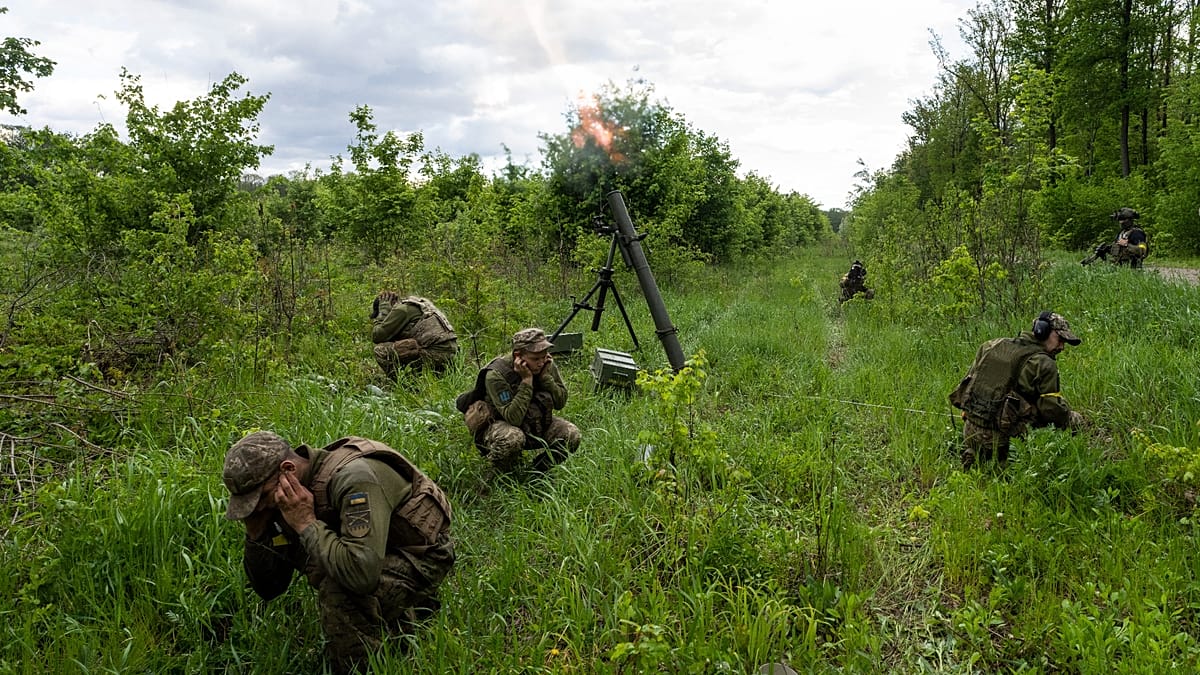
Luxury design rarely exists in a vacuum. From couture runways to high-end interiors, global events often influence the visual language of prestige, and the latest reporting on French volunteers training with Ukraine’s International Legion underscores how military aesthetics in luxury design continue to evolve. While the story itself belongs to the world of geopolitics and defence, its broader cultural ripple effect is unmistakable: discipline, utility, resilience, and tactical minimalism are increasingly informing how luxury brands, luxury decor, and luxury design present power and refinement.
The modern luxury consumer is no longer drawn only to ornament. Today, many premium buyers admire objects and spaces that communicate precision, durability, and purpose. That is where military-inspired design enters the conversation—not as a celebration of conflict, but as a study in structure, performance, and controlled restraint.
Why military aesthetics in luxury design are gaining relevance
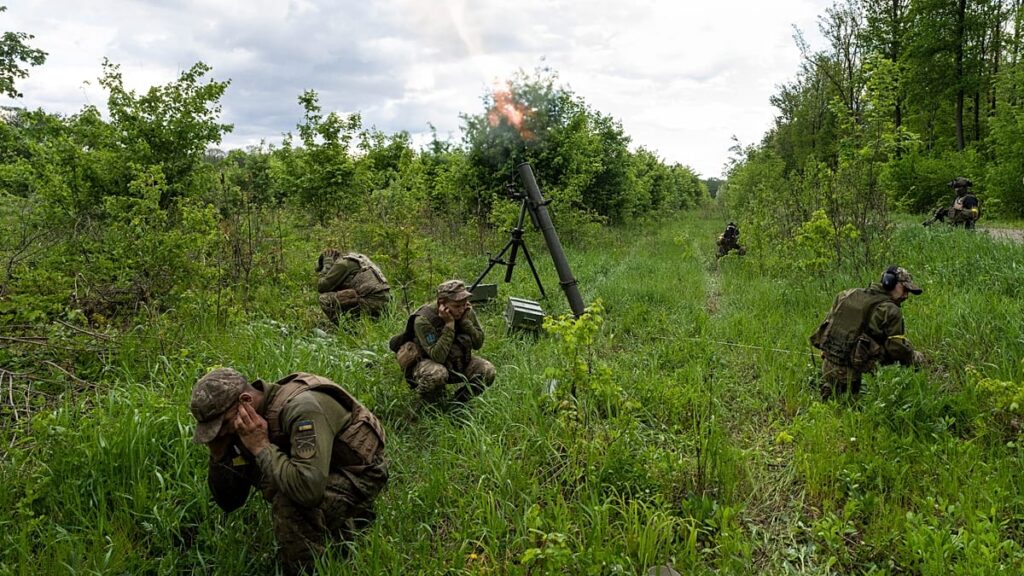
The Euronews report highlights foreign volunteers undergoing rigorous training in assault tactics, weapons handling, and small-unit manoeuvring under Ukraine’s military intelligence-led International Legion. The imagery associated with such environments—functional gear, muted palettes, engineered equipment, and disciplined movement—has long influenced fashion, product design, and interior architecture.
In luxury markets, these cues are often translated into a more refined visual system. Rather than literal camouflage or combat references, designers borrow the underlying principles:
- Utility: pieces that serve a clear function without excess
- Durability: premium materials chosen for performance and longevity
- Precision: clean lines, engineered details, and exact craftsmanship
- Restraint: a move away from decorative overload toward purposeful elegance
This shift helps explain why military aesthetics in luxury design resonate so strongly in an era defined by uncertainty. Consumers increasingly want beauty that feels grounded, intelligent, and built to last.
How luxury brands reinterpret tactical influence
Luxury brands are highly skilled at absorbing cultural signals and transforming them into aspirational products. In this case, the influence is less about uniforms and more about mindset. The themes emerging from reports on military preparation—readiness, coordination, and resilience—parallel the values that many premium houses now wish to embody.
Material choices with a performance edge
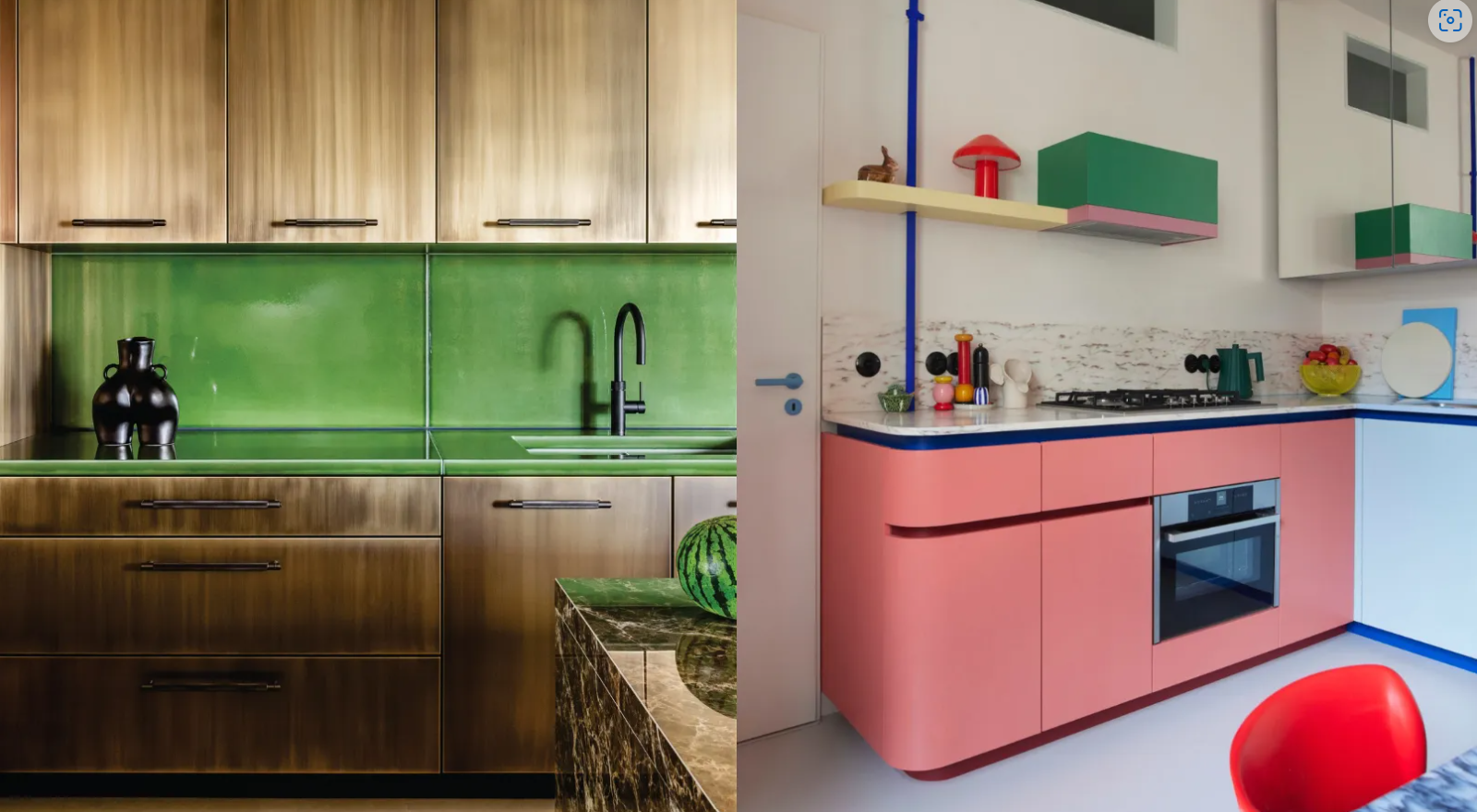
Across luxury accessories, furniture, and home objects, there is growing interest in robust finishes and technical materials. Brushed metals, ballistic-inspired textiles, matte ceramics, smoked glass, and weathered leathers all echo a sense of preparedness while maintaining sophistication.
These details often appear in:
- Structured leather goods with reinforced seams
- Architectural lighting in blackened steel or bronze
- Statement furniture with modular, field-kit-like functionality
- High-end watches and luggage built around endurance narratives
For luxury brands, these design elements tell a story of competence. They suggest that elegance is no longer fragile—it is fortified.
Colour palettes inspired by restraint
Another hallmark of military aesthetics in luxury design is the disciplined use of colour. Tactical environments tend to rely on muted, practical tones, and luxury designers have elevated that approach into an unmistakably premium palette. Think charcoal, olive, sand, slate, deep navy, gunmetal, and earthy taupe.
These shades work especially well in luxury decor because they create an atmosphere of calm authority. Instead of loud opulence, they offer understated confidence—a quality increasingly prized in contemporary interiors.
Military aesthetics in luxury decor and interiors
Luxury decor has moved steadily toward spaces that feel composed, intentional, and almost strategic in layout. The visual language associated with elite military units—order, readiness, and efficiency—can be softened and translated into interiors that feel exclusive rather than severe.
Key interior features influenced by tactical design
Designers working in upscale residential and hospitality spaces often adapt military-derived ideas in subtle ways:
- Modular planning: rooms designed for flexibility and movement
- Integrated storage: concealed compartments and streamlined cabinetry
- Textural contrast: pairing hard surfaces with tactile fabrics
- Monumental simplicity: fewer objects, but each chosen for impact
- Layered lighting: practical illumination balanced with mood and privacy
The result is a form of luxury design that feels disciplined yet warm. It prioritises spatial intelligence over visual clutter, making every item appear more deliberate and more valuable.
From command aesthetics to private sanctuaries
What makes this trend especially compelling is its duality. Military references evoke command, but luxury interiors must still deliver comfort. The strongest projects bridge both worlds through plush seating, artisanal finishes, acoustic softness, and sculptural forms that counterbalance the austerity of tactical inspiration.
That tension—between protection and pleasure, utility and indulgence—is exactly what gives military aesthetics in luxury design their distinctive appeal.
The cultural context behind the trend
The report on French volunteers in Ukraine also points to a wider global mood. The volunteers describe being motivated by conviction, duty, and emotional solidarity, while the broader story touches on NATO aid, international coordination, and the ongoing search for an end to the war. Luxury industries do not operate outside these realities. They absorb the public’s emotional climate and often respond with design languages that reflect the moment.
In times of instability, consumers tend to gravitate toward symbols of permanence and control. That is one reason military aesthetics in luxury design have such staying power. They suggest readiness without panic, strength without excess, and seriousness without sacrificing beauty.
For luxury design professionals, the takeaway is not to sensationalise conflict. Instead, it is to understand why structured silhouettes, engineered craftsmanship, and sober material palettes feel newly relevant. The influence is cultural and psychological as much as visual.
What luxury designers and brands should watch next
As geopolitical tensions continue to shape public consciousness, several related movements are likely to grow across luxury sectors:
- Quiet luxury with harder edges
- Performance-driven home furnishings
- Architectural minimalism with protective, cocooning forms
- Multi-functional objects that merge aesthetics and preparedness
- Brand storytelling centred on endurance, integrity, and craftsmanship
These shifts align naturally with affluent consumers who want more than status symbols. They want products and spaces that feel thoughtful, resilient, and deeply contemporary.
Ultimately, military aesthetics in luxury design are not about imitation. They are about translation. The same qualities seen in high-discipline environments—clarity, capability, and structure—are being refined into a new luxury vocabulary for homes, objects, and brands. In a world shaped by uncertainty, that may be one of the clearest signals of where luxury is headed next.