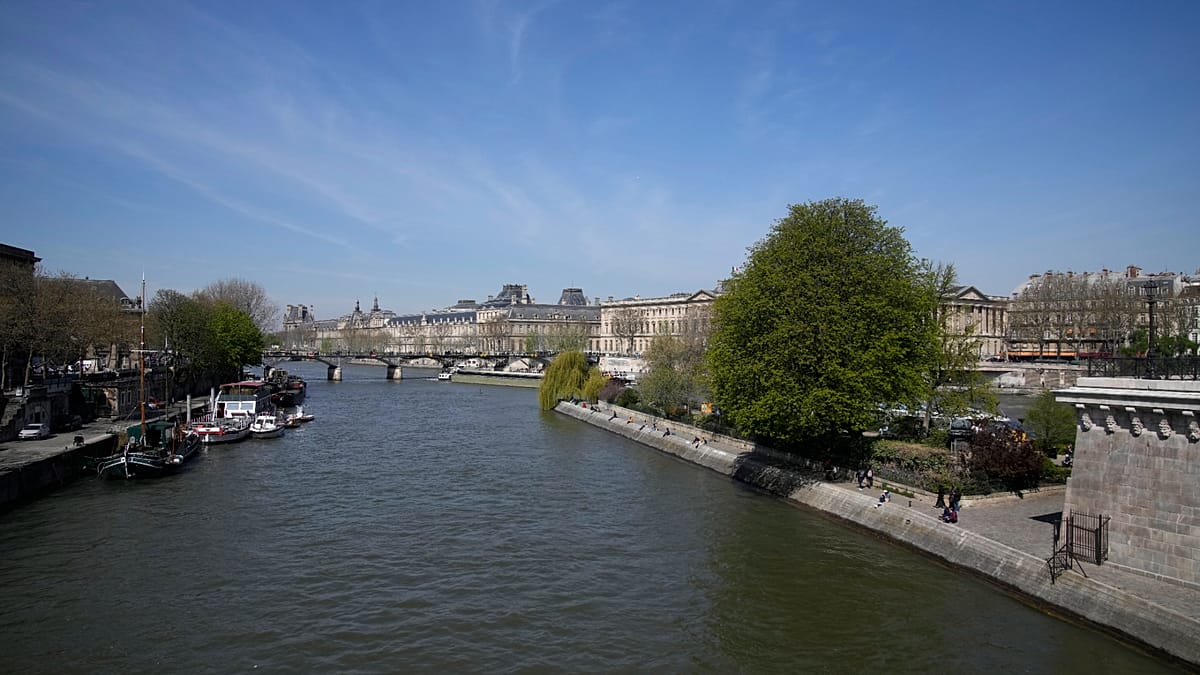
For luxury travelers, a beautiful waterfront is only truly desirable if the water is safe enough to enjoy. Clean bathing water in Europe has become a quiet hallmark of premium travel, shaping everything from exclusive coastal escapes to design-led riverfront destinations across the continent.
The latest EU bathing water data shows that Europe continues to maintain high standards across beaches, lakes, and rivers. According to the 2026 EU Bathing Water Report, 85% of bathing sites were rated excellent in 2025, while only 1.5% fell into the poor category. For readers interested in luxury brands, luxury decor, and luxury design, this matters more than it may first appear: pristine water quality supports the appeal of elite resorts, architecturally significant waterfront properties, and refined outdoor living experiences.
Why Clean Bathing Water in Europe Matters for Luxury Living
In the luxury space, environment is part of the product. Whether it is a five-star hotel overlooking a Mediterranean bay, a minimalist villa beside an alpine lake, or a stylish urban retreat near a swimmable river, water quality directly influences desirability.
Clean bathing water in Europe supports several pillars of the luxury economy:
- High-end tourism: Guests expect safe, attractive natural surroundings.
- Premium real estate: Waterfront homes command stronger value when nearby waters are monitored and protected.
- Luxury design: Outdoor spas, private docks, terraces, and bathing platforms become more appealing when the setting is genuinely usable.
- Wellness culture: Clean lakes, rivers, and coastal areas align with the growing focus on restorative, nature-based experiences.
This is why water regulation, often viewed as a technical public policy issue, also has clear implications for luxury travel and design-conscious lifestyles.
How the EU Monitors Bathing Water Quality
The system behind clean bathing water in Europe is built around EU legislation, especially the Bathing Water Directive. This framework is designed to protect public health by monitoring contamination levels and ensuring consistent reporting across member states.
The four quality categories
Bathing waters are classified into four official categories:
- Excellent
- Good
- Sufficient
- Poor
These ratings are based largely on the presence of faecal bacteria and other pollutants that can pose health risks to swimmers.
What authorities actually test for
National authorities monitor bacteria such as:
- Escherichia coli (E. coli)
- Intestinal enterococci
These indicators help determine whether a beach, river, or lake is safe for bathing. Each bathing site must be tested regularly during the season, with at least four water samples taken. Governments are also required to assess trends, report findings, and keep citizens informed about potential risks.
This structured approach is one reason clean bathing water in Europe remains a realistic standard rather than a marketing slogan.
What the Latest EU Bathing Water Report Reveals
The 2026 report paints a reassuring picture. Across Europe, the majority of designated bathing sites met high standards in 2025, with coastal waters generally performing better than inland waters.
Key findings at a glance
- 85% of bathing sites were rated excellent
- 1.5% were classified as poor
- 88% of coastal waters achieved excellent status
- 78% of lakes and rivers were rated excellent
Several countries stood out for exceptional performance. Austria, Bulgaria, Cyprus, and Greece all recorded more than 95% of bathing waters in the excellent category. For luxury travelers and property investors, these destinations are especially attractive because environmental quality strengthens long-term appeal.
The fact that people can safely swim in places such as Berlin’s Spree River, Paris’s Seine, and the Dutch Maas River illustrates how urban regeneration and environmental policy can transform iconic waterways into lifestyle assets.
Beyond Beaches: The Design Value of Clean Water
Clean bathing water in Europe is not only relevant to traditional summer holidays. It also shapes modern luxury design, especially where architecture and landscape meet.
Designers, developers, and hospitality brands increasingly build around water-centric experiences. These can include:
- Private wellness decks overlooking lakes
- Riverside boutique hotels with direct swim access
- Outdoor bathing pavilions and sculptural plunge pools
- Coastal residences with seamless indoor-outdoor transitions
- Spa retreats centered on natural immersion
When surrounding waters are clean and officially monitored, such features gain authenticity. The setting is no longer just visually impressive; it becomes usable, sensory, and deeply aligned with modern luxury expectations.
In this sense, environmental regulation supports not only public health but also elevated design standards.
The Wider EU Water Protection Framework
The Bathing Water Directive does not operate alone. It forms part of a broader legal framework intended to protect Europe’s water resources overall.
Other important measures include:
- Water Framework Directive
- Groundwater Directive
- Environmental Quality Standards Directive
Together, these policies help preserve rivers, lakes, coastal zones, and groundwater systems. That wider protection matters because luxury destinations depend on ecological continuity. A glamorous resort cannot sustain its reputation if the surrounding marine or freshwater environment declines.
For premium hospitality groups, luxury developers, and design-led brands, long-term environmental stewardship is becoming inseparable from brand value.
What This Means for Luxury Travelers and Investors
If you are choosing a European destination for a refined escape, considering a waterfront property, or simply following high-end travel and design trends, water quality is a practical indicator worth watching.
It can signal:
- Strong environmental governance
- Reliable infrastructure and public monitoring
- Healthier recreation opportunities
- Greater confidence in a destination’s long-term appeal
As sustainability becomes more central to luxury, clean bathing water in Europe is emerging as a subtle but powerful marker of quality. It reflects not just natural beauty, but the systems that preserve it.
Conclusion
Clean bathing water in Europe is more than a public health success story. It is also a foundation for luxury travel, waterfront design, and premium real estate across the continent. With most bathing sites rated good or excellent, and robust EU rules guiding testing and transparency, Europe offers a compelling example of how regulation can protect both people and place. For anyone drawn to elegant coastal retreats, swimmable city rivers, or serene lakeside living, water quality is no longer a background detail. It is part of the luxury experience itself.