
OPEC Output Rise and Falling Oil Prices: What It Means for Luxury Brands, Decor and Design
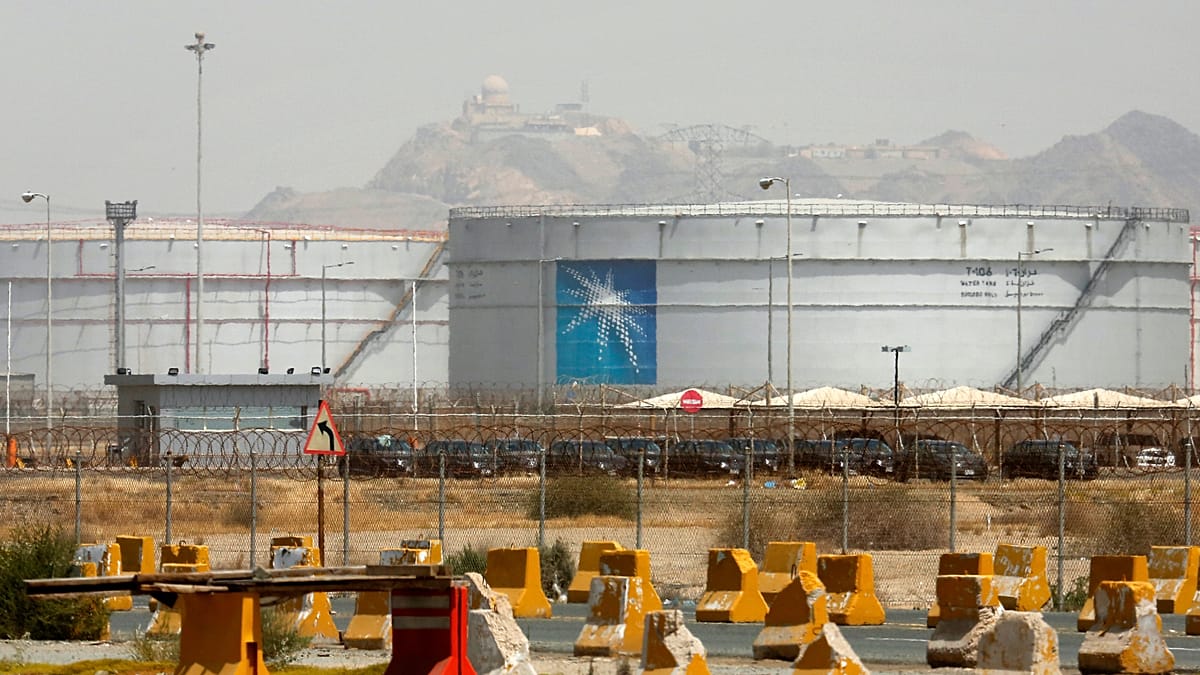
OPEC output rise is back in focus just as oil prices retreat to pre-war levels, and that matters far beyond energy desks. For luxury brands, luxury decor houses and high-end design studios, shifts in crude markets can ripple through shipping costs, materials pricing, client confidence and global demand.
The latest decision by seven OPEC+ producers to increase supply modestly in August signals a careful attempt to stabilise the market after months of geopolitical disruption. While the headline figure is relatively small, the broader context is far more important: oil has fallen sharply from wartime highs, transport routes are reopening, and supply chains are beginning a slow reset. For businesses tied to premium interiors, collectible design and luxury retail, this is a development worth watching closely.
Why the OPEC output rise matters now
Seven members of the OPEC+ alliance agreed to lift combined production by 188,000 barrels per day next month. The countries involved include Saudi Arabia, Russia, Iraq, Kuwait, Kazakhstan, Algeria and Oman. This marks the fifth straight month of incremental increases as the group gradually unwinds earlier voluntary cuts.
On paper, the move looks restrained. But the timing is notable because the OPEC output rise comes as Brent crude trades below roughly $72 a barrel and US benchmark WTI hovers near $68. Those levels are close to where prices stood before the Iran war sent energy markets sharply higher.
Two major dynamics are shaping the market:
- Improving optimism around regional de-escalation and shipping access
- The slow return of supply that had been constrained during the conflict
For luxury sectors, lower oil prices can eventually translate into softer freight costs, reduced production pressure and more predictable international logistics.
Oil prices have reversed sharply from wartime peaks
Earlier in the conflict, Brent climbed toward $120 a barrel as fears over supply disruption intensified. A key pressure point was the Strait of Hormuz, one of the world’s most important oil transit routes. With traffic constrained, Middle Eastern producers struggled to move barrels efficiently, and actual output often fell below stated quotas.
Now the situation is changing. Commercial shipping through the strait is recovering, even if it remains below pre-conflict levels. That partial reopening is helping release stored supply back into the market. In practical terms, this means the latest OPEC output rise is landing in a market already facing added downward pressure from returning barrels.
This is one reason prices have fallen so quickly. The official production increase is modest, but the real-world effect is amplified by improving logistics and the release of backlog inventories.
Luxury brands and design businesses should watch transport costs
Energy prices influence much more than petrol or airline tickets. In luxury, they can affect nearly every stage of the value chain, from sourcing raw materials to delivering finished pieces to clients in global cities.
Potential benefits for luxury sectors
- Lower shipping and freight costs for furniture, lighting and decorative objects
- Reduced input costs for oil-linked materials such as plastics, resins, synthetic textiles and certain finishes
- Greater supply chain reliability for international showrooms and e-commerce
- Improved consumer sentiment if household energy bills ease over time
Luxury decor and luxury design brands often rely on cross-border logistics, especially for bespoke items, artisan production and limited-edition collections. A sustained easing in crude prices could help protect margins in categories where transport costs have been unusually volatile.
Why caution still matters
The OPEC output rise does not guarantee long-term price stability. OPEC+ itself has said it will keep monitoring market conditions and can pause or reverse production increases if needed. Meanwhile, shipping through the Strait of Hormuz remains sensitive, and any renewed tension could quickly push crude higher again.
That means luxury executives should treat current relief as helpful, but not permanent.
What this means for premium interiors and luxury decor
For the luxury decor world, energy trends can shape both costs and creative strategy. High-end interiors depend on a complex mix of materials, fabrication processes and international transport. When fuel and shipping rates rise, lead times lengthen and project budgets tighten.
If the OPEC output rise contributes to steadier oil markets, premium home brands may gain more room to plan autumn and winter launches. Designers working on hospitality, residential and yacht interiors could also benefit from improved cost visibility.
Key areas to monitor include:
- Material pricing: Lacquers, foams, composites and packaging are often exposed to petrochemical costs.
- Freight conditions: Imported marble, lighting, furnishings and decor accessories remain sensitive to transport pricing.
- Client budgets: Ultra-high-net-worth buyers are more resilient, but broader aspirational luxury segments can react to economic uncertainty.
- Project timelines: Better shipping flow can help reduce delays for custom pieces and international fit-outs.
The recovery will be slow, not instant
Despite the recent market improvement, analysts do not expect a full production recovery in the Gulf immediately. Industry forecasts suggest output may not fully normalise until at least early 2027. That matters because the market is still digesting the aftershocks of disrupted trade, constrained storage and rerouted transport.
In other words, the OPEC output rise is part of a longer rebalancing process, not a final resolution. Luxury businesses should continue scenario planning around:
- Freight volatility
- Commodity swings
- Geopolitical risk
- Consumer confidence across key markets
This is especially relevant for brands operating across Europe, the Gulf, Asia and North America, where oil-driven cost shifts can affect both operations and customer behaviour.
Strategic takeaway for luxury brands
The latest OPEC output rise may look like a narrow energy story, but its effects extend into luxury retail, decor and design. As oil prices cool and trade routes gradually recover, premium businesses could see welcome relief in logistics, sourcing and planning. Still, the outlook remains fragile, and smart brands will balance optimism with contingency planning.
The clearest takeaway is this: the OPEC output rise is a signal of cautious market normalisation, not full stability. For luxury leaders, that makes now the right time to review supply chains, protect margins and prepare for a market where energy remains a hidden but powerful design driver.