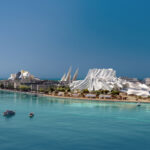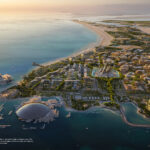

Construction Begins on Frank Gehry’s Dar al Funoon Abu Dhabi Performing Arts Center
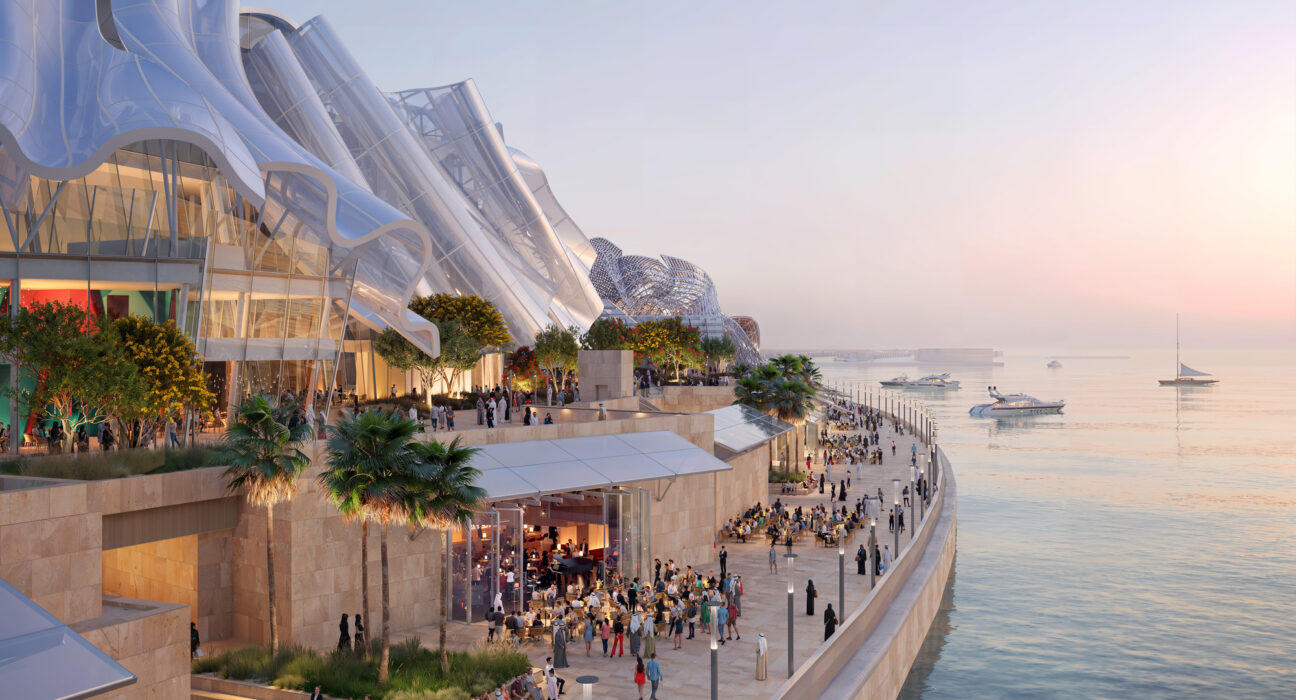
Architecture news rarely arrives with the cultural weight and visual anticipation of a new Frank Gehry project. The start of construction on Dar al Funoon Abu Dhabi Performing Arts Center signals a major moment for the emirate’s evolving cultural landscape, bringing together iconic design, world-class performance spaces, and the ambition to position Abu Dhabi as a global arts destination.
The project has already captured attention across the design world, not only because of Gehry’s unmistakable architectural language, but also because of what the center represents: a new chapter in luxury architecture rooted in culture, creativity, and urban prestige. As Abu Dhabi continues investing in landmark institutions, Dar al Funoon stands out as a development that merges sculptural form with civic purpose.
Architecture News: Why Dar al Funoon Matters
In the world of architecture news, groundbreaking announcements often point to broader shifts in how cities define themselves. Dar al Funoon Abu Dhabi Performing Arts Center is more than a standalone building; it is part of a larger cultural strategy that elevates design as a public experience and as a symbol of national identity.
The center is expected to become a premier venue for live performance, artistic exchange, and cultural programming. For Abu Dhabi, that means another significant addition to its portfolio of architectural landmarks. For global audiences, it means a new destination where architecture and the performing arts meet at the highest level.
Several factors make this project especially notable:
- A design led by Frank Gehry, one of the most influential architects of the modern era
- A high-profile location in Abu Dhabi’s expanding cultural ecosystem
- A program centered on performance, creativity, and public engagement
- A visual identity likely to become instantly recognizable on the international stage
Frank Gehry’s Signature Approach to Luxury Architecture
Any piece of architecture news involving Frank Gehry immediately raises expectations around form, materiality, and spectacle. Gehry is known for creating buildings that move beyond conventional geometry, often using dramatic curves, layered surfaces, and dynamic massing to generate emotional impact.
That design philosophy aligns naturally with a performing arts center. Performance is movement, rhythm, tension, and release—and Gehry’s architecture often expresses those same qualities in built form. While final public understanding of the complete experience will come as construction advances, the project already suggests a landmark structure designed to embody artistic energy before a visitor even enters the building.
Within the context of luxury design, Gehry’s work occupies a unique position. It is not luxury in a decorative or purely opulent sense. Instead, it represents experiential luxury: iconic spaces, unforgettable spatial drama, and architecture that becomes cultural capital in itself.
A Building Designed to Perform Visually
One reason this story is resonating in architecture news circles is that Gehry’s buildings often function like public sculptures. They transform skylines, frame movement, and invite repeated viewing from different angles. For a city like Abu Dhabi, where contemporary architecture plays a central role in tourism and branding, that visual power is invaluable.
The performing arts center is likely to appeal to multiple audiences at once:
- Culture lovers seeking elite programming
- Architecture enthusiasts drawn to Gehry’s design legacy
- Luxury travelers looking for destination-worthy experiences
- Residents interested in enriched public and cultural life
Abu Dhabi’s Growing Cultural and Design Identity
This development is important architecture news because it reflects Abu Dhabi’s long-term vision for cultural leadership. Over the past decade, the city has embraced architecture not just as construction, but as storytelling. Landmark institutions help define a place’s values, ambitions, and global relevance.
Dar al Funoon adds depth to that narrative by focusing on the performing arts, a discipline that brings people together in real time and in shared space. In an age dominated by digital consumption, buildings dedicated to live performance carry renewed significance. They offer immersion, atmosphere, and emotional immediacy—qualities that align strongly with luxury lifestyle trends and premium urban development.
For readers interested in luxury home, luxury decor, and luxury home decor, there is also a broader takeaway. High-end residential and hospitality design increasingly draw inspiration from cultural architecture. Materials, sculptural lines, layered lighting, and fluid interiors seen in major public buildings often influence future trends in private spaces.
What This Means for Luxury Design Trends
Projects of this scale often shape the wider design conversation. As this architecture news story develops, designers and specifiers may look to the center for cues in:
- Organic and fluid architectural forms
- Statement surfaces and expressive material palettes
- Large-scale spatial drama translated into interiors
- The blending of function, art, and immersive experience
That makes Dar al Funoon relevant beyond the cultural sector. It may influence luxury architecture, premium interiors, and even bespoke residential design in the region and beyond.
The Role of Performing Arts Centers in Modern Cities
Another reason this story belongs at the forefront of architecture news is the changing role of arts institutions in city planning. Today’s performing arts centers are not isolated venues. They are economic engines, community anchors, tourist attractions, and symbols of aspiration.
A well-designed arts center can:
- Drive cultural tourism
- Support local creative industries
- Activate surrounding districts
- Enhance a city’s international image
- Create lasting social and educational value
For Abu Dhabi, Dar al Funoon has the potential to do all of the above while adding another iconic destination to the region’s architectural map. That combination of prestige and public value is exactly why the project is generating such strong interest.
What to Watch as Construction Progresses
As with any major architecture news story, the next phases will be closely followed by architects, developers, cultural observers, and design media. Key points of attention will include how the building’s exterior form is realized, how the interiors support acoustic and performance excellence, and how the center integrates into the wider urban and cultural context of Abu Dhabi.
There will also be interest in sustainability, visitor experience, and the relationship between architecture and programming. The most successful cultural buildings do more than look extraordinary—they work beautifully for performers, audiences, and the city around them.
In that sense, Dar al Funoon carries high expectations. Yet Gehry’s involvement and Abu Dhabi’s commitment to landmark cultural development suggest a project designed to leave a lasting mark.
Architecture news often highlights what is new, but only some projects hint at what will endure. The construction start of Frank Gehry’s Dar al Funoon Abu Dhabi Performing Arts Center is one of those rare moments: a convergence of design excellence, cultural ambition, and luxury architecture at a global scale. As the project rises, it will be one to watch not just for its visual impact, but for how it reshapes Abu Dhabi’s cultural future.