
Skillidays 2026: Why Europe’s New Luxury Travel Trend Is Learning on Holiday
Luxury travel is being redefined, and skillidays are at the heart of the shift. Instead of returning from summer holidays with little more than photos and shopping bags, European travellers are increasingly choosing immersive experiences that teach them something lasting, from pottery and culinary technique to language basics and heritage crafts.
That move matters for the worlds of luxury brands, luxury decor and luxury design. Today’s high-end traveller is not just chasing comfort; they want meaning, craftsmanship and a deeper connection to place. In 2026, the rise of skillidays shows that the most desirable souvenir may be a new skill.
What Are Skillidays and Why Are They Taking Off?
The term skillidays describes holidays built around learning. According to a Mastercard survey of more than 27,000 travellers across 28 European countries, 48% of respondents plan to learn a new skill while travelling this summer. Even more notably, 42% say they are willing to pay extra for a trip that includes authentic learning experiences from local providers.
That signals a major evolution in premium travel behavior. Experiences are increasingly valued over possessions, and travellers are looking for activities that create both memories and practical knowledge. For luxury audiences, this fits perfectly with a broader preference for craftsmanship, exclusivity and cultural depth.
More than a third of surveyed travellers, 37%, had already booked a skill-based holiday. The idea is especially popular among younger travellers, with 57% of 18- to 24-year-olds planning a skill-focused trip, followed by 52% of those aged 25 to 34.
Why Skillidays Appeal to the Luxury Mindset
At first glance, skillidays might sound like a casual travel trend, but they align naturally with luxury values. High-end consumers often seek rarity, authenticity and stories behind the objects, spaces and experiences they choose. A hands-on weaving workshop in a Tuscan village or a private ceramics masterclass in Portugal offers exactly that.
These experiences appeal because they combine:
- Exclusivity through small-group or one-to-one access
- Craftsmanship rooted in local tradition and artisanal skill
- Cultural immersion beyond the usual tourist trail
- Personal enrichment that lasts longer than material purchases
For travellers interested in luxury decor and luxury design, a skill-based itinerary can also become a source of inspiration. Learning woodworking, textile techniques or ceramics abroad can deepen appreciation for interiors, handmade objects and regional design language.
Which Skills Europeans Want to Learn in 2026
The strongest demand in skillidays centres on practical, sensory and creative activities. The Mastercard findings show that travellers are most interested in:
- Basic language phrases and conversation: 30%
- Culinary skills and cooking workshops: 28%
- Food and drink production, including cheesemaking: 28%
- Wellness and movement, such as meditation and martial arts: 25%
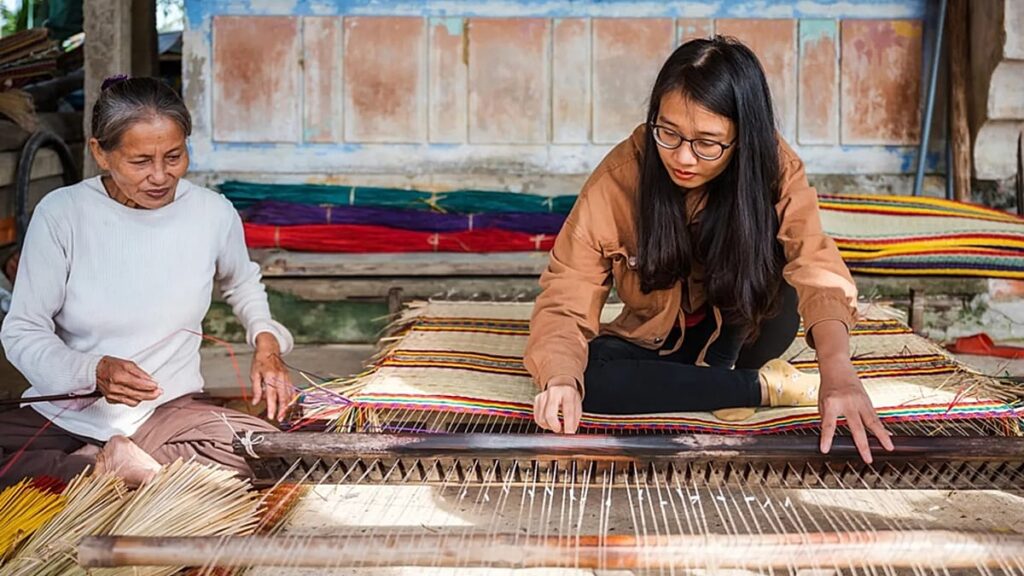
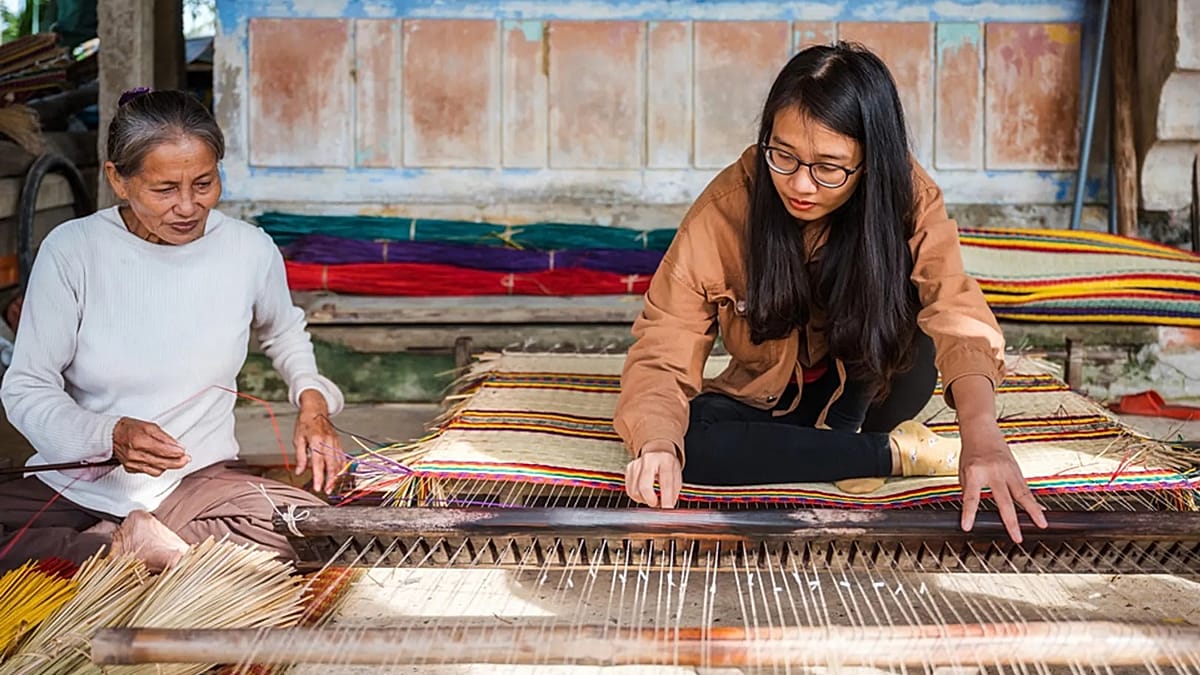
- Traditional crafts, including weaving, woodworking and textiles: 24%
- Creative arts, such as photography, painting and writing: 23%
- Sports like skiing, surfing and hiking: 19%
- Outdoor and survival skills, including foraging and navigation: 18%
- Heritage crafts and traditional techniques: 14%
- Sustainable living skills, including permaculture and conservation: 13%
What stands out is how closely many of these interests connect with elevated lifestyle categories. Traditional crafts, creative arts and culinary workshops all have natural overlap with luxury living, bespoke design and artisanal collecting.
How Skillidays Differ Across Europe
The skillidays trend is not one-size-fits-all. Preferences vary across the continent, revealing distinct cultural priorities and travel motivations.
Language, food and craft lead in different markets
Serbian travellers show the strongest interest in learning languages abroad, with 45% keen to pick up new phrases and conversational skills. Romanians are especially drawn to cooking classes, with 41% interested in food-focused learning, while Swedish travellers stand out for their enthusiasm for food production experiences.
Wellness and design-driven crafts are rising
Slovenians show high interest in wellness and movement experiences such as yoga, meditation and dance. Italians, meanwhile, display a notable appetite for traditional crafts, with 31% interested in pottery, weaving and woodworking. That is particularly relevant for luxury decor and design audiences, since these disciplines are directly connected to material culture and timeless interiors.
Creative holidays have strong cross-border appeal
Croatian and Serbian travellers are especially interested in creative arts, including photography, painting and writing. These forms of travel are likely to appeal to travellers who value self-expression as much as relaxation.
What Skillidays Mean for Luxury Brands and Design-Led Travel
For hospitality groups, luxury brands and travel curators, skillidays present a clear opportunity. Premium travel can no longer rely only on beautiful suites, spas and fine dining. Travellers increasingly want participatory luxury: experiences that feel bespoke, local and transformative.
That could include:
- Private atelier visits with artisans
- Interior styling retreats inspired by regional design traditions
- Chef-led culinary residencies at luxury estates
- Textile, ceramics or floral design workshops in boutique properties
- Mindful movement programs paired with architecture and landscape immersion
The commercial potential is significant because these experiences justify premium pricing while creating stronger emotional engagement. They also help disperse tourism into smaller towns and rural destinations, where heritage craftsmanship often thrives.
For the luxury sector, this is more than a travel story. It reflects a consumer shift toward thoughtful consumption, where provenance, artistry and lived experience matter more than status symbols alone.
Why Skillidays May Outlast the Summer Trend Cycle
One reason skillidays resonate so strongly is that they answer a growing desire for value in the fullest sense. In the survey, 51% of travellers said learning something new makes a trip more meaningful, while 48% said the skills they gain are more valuable than souvenirs.
That is a powerful insight. It suggests that modern luxury is moving away from passive indulgence and toward active, memorable enrichment. A hand-thrown ceramic bowl you made in Umbria or a weaving technique learned from a local artisan in Greece carries a very different emotional weight than a mass-market purchase.
In a crowded travel landscape, skill-based experiences also offer differentiation. They are harder to replicate, more place-specific and often deeply personal. Those are qualities that resonate in both luxury travel and design-conscious living.
Conclusion
Skillidays are emerging as one of Europe’s most compelling travel trends for 2026, blending discovery, craftsmanship and personal growth into one elevated experience. For travellers who care about luxury brands, luxury decor and luxury design, the appeal is obvious: the best journeys are no longer just about where you stay, but what you learn, make and carry home in your hands and mind.
As demand grows for authentic, design-rich and meaningful escapes, skillidays look set to become a lasting part of the modern luxury travel landscape.