
Serbia’s EU Accession Push in 2026: Why Cluster 3 Matters for Europe’s Design and Development Future
Serbia’s EU accession push is back at the centre of the European agenda, and the implications reach far beyond diplomacy. For investors, developers, and design-led industries watching the region, the latest debate over Serbia’s EU path could shape everything from urban regeneration to the future of luxury architecture and interiors across Southeast Europe.
The European Commission is urging member states to open Serbia’s accession Cluster 3 in July 2026, arguing that Belgrade has made enough progress on reforms to justify the next step in its long-running membership bid. While the process remains politically sensitive, the renewed momentum around Serbia’s EU accession is attracting attention from sectors tied to premium real estate, hospitality, and cross-border development.
Why Serbia’s EU Accession Is Back in Focus
According to the Commission’s latest assessment, Serbia has addressed several concerns that previously stalled progress. Cluster 3, first proposed for opening in 2021, had been blocked over issues including rule of law, media freedom, foreign policy alignment, and relations with Kosovo.
Brussels now says Serbia has made measurable improvements in key areas, including:
- Reversing controversial judicial law amendments
- Advancing electoral reform
- Improving media governance structures
- Increasing cooperation with the EU on foreign and security policy
The Commission’s position is that these steps create enough balance to justify opening the cluster, even while acknowledging that important reform work remains unfinished. That nuance matters: Serbia’s EU accession is progressing, but not without reservations from multiple capitals.
What Is Cluster 3 and Why Does It Matter?
In the EU enlargement process, negotiating chapters are grouped into thematic clusters. Cluster 3 covers competitiveness and inclusive growth, making it especially relevant to business confidence, investment flows, innovation, and long-term economic modernisation.
For sectors linked to luxury architecture, luxury design, and luxury interiors, that matters because regulatory predictability often influences where capital goes. Progress in Serbia’s EU accession can strengthen perceptions of stability, support infrastructure planning, and encourage high-end mixed-use projects, branded residences, and hospitality developments.
In practical terms, movement on Cluster 3 can signal:
- Greater confidence for international investors
- Stronger policy alignment with European standards
- Improved conditions for real estate and tourism growth
- A more attractive framework for premium urban development
Reforms Driving Serbia’s EU Accession Case
Judicial and Rule-of-Law Adjustments
One of the Commission’s strongest arguments is that Serbia has rolled back legal changes seen as problematic for judicial independence. Brussels also noted efforts to strengthen institutions dealing with organised crime, although it stressed that more reforms are still needed across the judicial and prosecutorial system.
This is a crucial point for Serbia’s EU accession because legal transparency and institutional reliability often sit at the heart of investment decisions. Luxury-led development, in particular, tends to follow markets where planning, ownership, and commercial enforcement are seen as more secure.
Media and Electoral Progress
The Commission also highlighted steps related to media oversight and election law. Among the developments cited were appointments of minority representatives to the Council of the Regulatory Authority for Electronic Media and amendments to several election-related laws.
These may sound like technical political details, but they feed into a broader narrative about governance quality. For international developers, architecture firms, and luxury hotel brands, governance standards can influence whether a market is viewed as emerging, investable, and scalable.
Foreign Policy Alignment
Serbia has not aligned with EU sanctions on Russia, which remains a major obstacle in the eyes of some member states. Still, the Commission pointed to cooperation on preventing sanctions circumvention, support for Ukraine, and increased political engagement with Kyiv as signs of closer alignment.
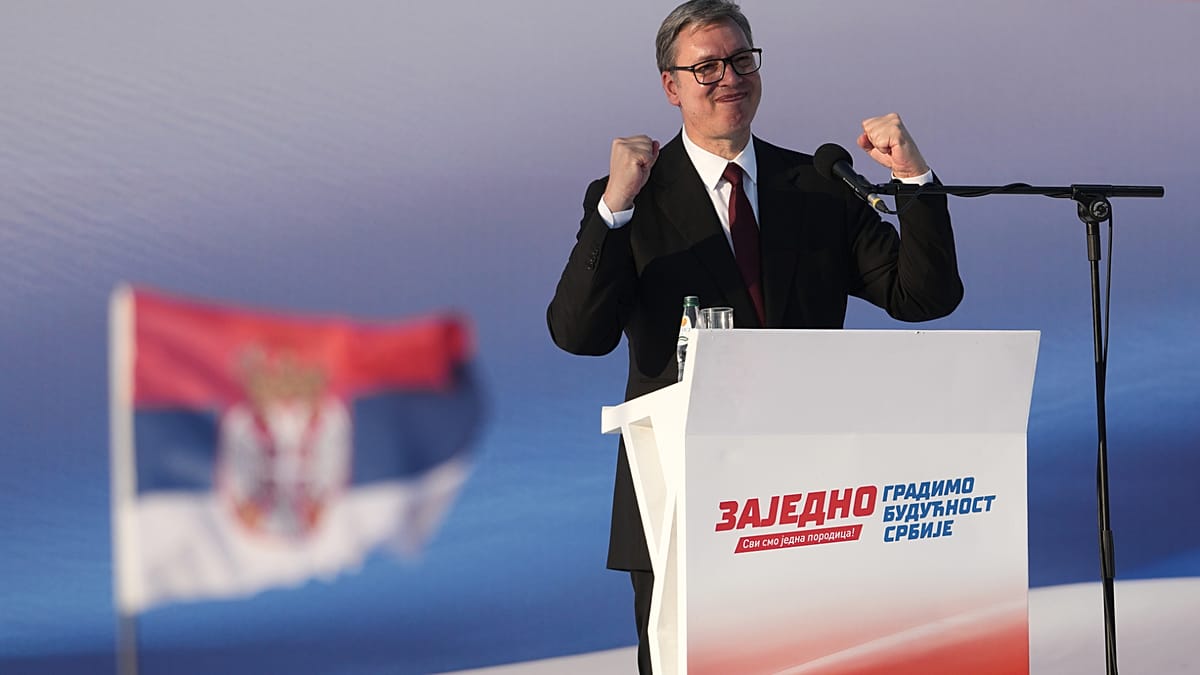
This mixed picture explains why Serbia’s EU accession remains controversial. Progress exists, but so do strategic doubts—especially after President Aleksandar Vučić publicly defended close ties with China during a May visit to Beijing.
Why Some EU States Still Oppose Serbia’s EU Accession
Despite the Commission’s positive note, opening a new accession cluster requires unanimous backing from all EU member states. That is where Serbia’s EU accession could again run into resistance.
Several capitals remain sceptical for familiar reasons:
- Concerns about democratic backsliding
- Questions over judicial independence
- Incomplete rule-of-law reforms
- Unease over foreign policy positioning
- Ongoing tensions linked to Kosovo normalisation
In other words, the Commission may be pushing for momentum, but the political threshold remains high. The debate is not simply about technical compliance; it is also about trust, timing, and the broader direction of Serbia’s state institutions.
What Serbia’s EU Accession Could Mean for Luxury Architecture and Design
Although this is fundamentally a political story, Serbia’s EU accession has clear implications for the built environment. In markets on the edge of major integration milestones, design and development sectors often move early, anticipating future demand rather than waiting for full legal completion.
If progress continues, Serbia could become more attractive for:
- Luxury residential towers in Belgrade and regional hubs
- Adaptive reuse of heritage buildings into boutique hospitality
- High-end interior design commissions tied to international buyers
- Wellness resorts and lifestyle developments targeting European travellers
- Public-private regeneration projects with stronger institutional backing
For architects and interior designers, EU-aligned reform can also mean better access to cross-border partnerships, sustainability frameworks, and financing structures that support premium construction standards.
That does not mean a direct or immediate boom is guaranteed. But Serbia’s EU accession remains a strategic signal for anyone tracking where the next wave of sophisticated development could emerge in the Balkans.
The Bigger European Picture
The renewed push on Serbia comes at a time when EU enlargement is again being treated as a geopolitical priority. The bloc wants deeper resilience in its neighbourhood, especially as war, energy security, and global competition reshape the continent’s strategic map.
In that context, Serbia’s EU accession is about more than one country’s membership path. It reflects how Europe sees integration, influence, and economic cohesion in the Western Balkans. For industries connected to luxury design and architecture, that bigger picture matters because political alignment often precedes capital movement, and capital movement reshapes cities.
Conclusion: Serbia’s EU Accession Is About More Than Politics
Serbia’s EU accession debate may appear technical, but its consequences could be wide-reaching. If Cluster 3 opens, it would mark a meaningful step forward for Belgrade’s European ambitions and send a strong signal to investors, developers, and design professionals watching the region.
The clearest takeaway is this: Serbia’s EU accession is not yet secured, but the renewed Commission pressure shows real momentum. For the luxury architecture, luxury design, and luxury interiors sectors, that momentum could become an early indicator of where Europe’s next development frontier is taking shape.