Luxury travel lives or dies by the quality of the waterfront experience. That is why floating barriers in Greece are drawing attention far beyond local beach management: they sit at the intersection of coastal safety, visitor comfort, and destination design. As jellyfish blooms and invasive fish increasingly affect Mediterranean swimming areas, Greek municipalities are testing whether discreet marine infrastructure can protect bathers without compromising the visual appeal of prized beaches.
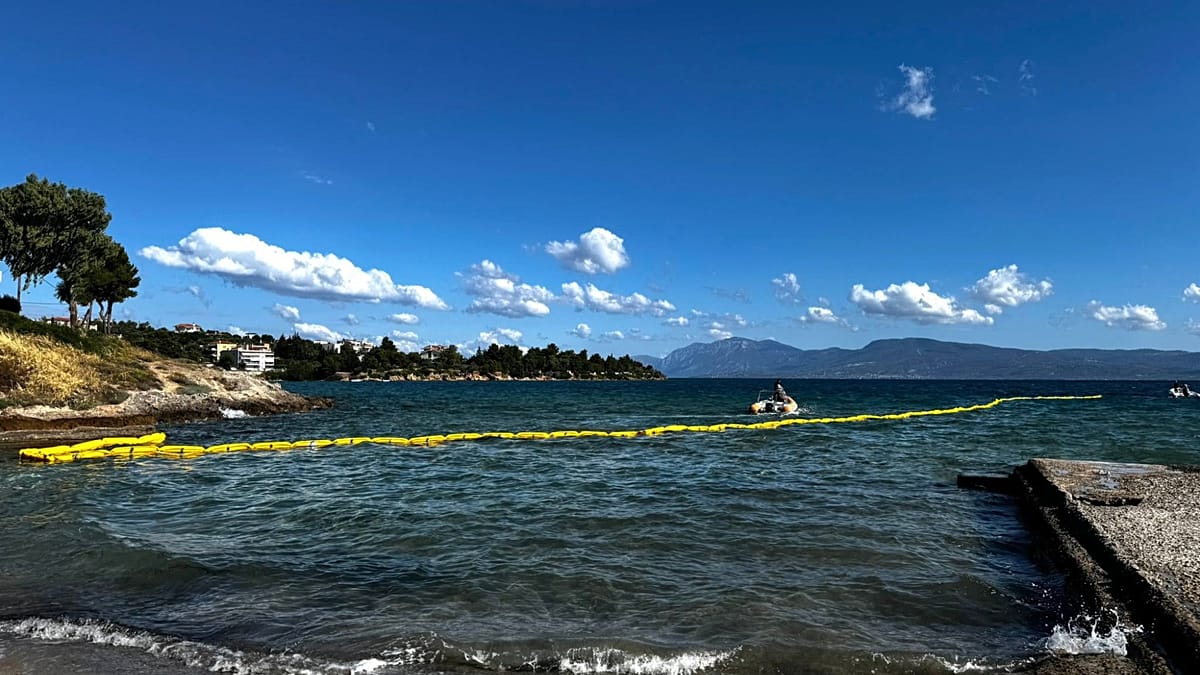
In Chalkida and across the northern Euboean Gulf, officials have begun installing floating barriers intended to reduce the entry of jellyfish, pufferfish, floating debris, and surface pollution into designated swimming zones. For luxury destinations, the idea is especially relevant. A calm, clean, secure bathing area is not just a public amenity; it is part of the premium coastal experience that supports high-end hospitality, real estate value, and the broader image of a seaside region.
Why floating barriers in Greece matter for coastal luxury
Beach design is no longer only about loungers, landscaping, and architecture. Increasingly, it includes invisible or low-visibility systems that enhance safety and preserve comfort. The recent deployment of floating barriers in Greece reflects a wider shift toward protective design solutions that serve both functional and aesthetic goals.
In the Municipality of Chalkideon, the barrier programme started in mid-June, with installations planned across several beaches including Rodies, Alykes, Mpourntontas, Valopoula, Kalamia, and Zephyros. The initiative, backed by regional funding, is intended to create safer bathing zones while also improving the image of local beaches for residents and visitors.
That last point is important. In luxury coastal markets, perception matters. Even occasional jellyfish stings or visible marine litter can quickly erode a destination’s reputation. A well-executed barrier system can function as a subtle layer of marine design, helping preserve the polished, carefree atmosphere expected at premium seaside locations.
How the barrier system is designed to work
The concept behind floating barriers in Greece is straightforward: create an enclosed swimming area that blocks unwanted marine intrusions. But experts stress that performance depends almost entirely on correct installation.
The ideal layout
For the barriers to be effective, they must:
- Begin at the shore
- Extend into deeper water
- Return back to land
- Form a fully enclosed or near-enclosed safety zone, often semicircular or rectangular
This configuration limits the chances of jellyfish or fish entering from the sides. In design terms, the barrier acts like a perimeter system for the sea, defining a controlled aquatic space much as a luxury resort defines private outdoor areas on land.
What happens below and above the surface
The lower section of the net must be weighted with chains or sunk anchors so it sits securely on, or extremely close to, the seabed. This is essential because underwater currents can push jellyfish beneath a poorly secured net.
The upper section uses reinforced floats or buoys and should rise roughly 30 to 50 centimetres above the waterline. That visible height helps stop jellyfish from passing over the barrier during wave action or rougher sea conditions.
In short, floating barriers in Greece only work when they control both the surface and the underwater gap. If either fails, the protected zone becomes more symbolic than practical.
Can these barriers stop pufferfish too?
According to experts cited in the reporting, yes, the same system can also help prevent fish, including pufferfish, from entering the enclosed area. That said, effectiveness is limited to the exact zone the barrier surrounds. It is not a sea-wide solution; it is a targeted intervention.
This distinction matters for beach planners, resort operators, and municipalities. Floating barriers in Greece are best understood as site-specific protective infrastructure. They can improve a selected swimming area, but they do not eliminate jellyfish or invasive species from nearby waters.
For luxury beaches, however, that may be enough. Guests generally judge a destination by the quality of the spaces they actively use. If a protected swim zone is comfortable, attractive, and well maintained, it can significantly improve the visitor experience.
Where design meets practicality
The success of coastal interventions often depends on balancing safety with usability. One early criticism at Rodies beach was that the barrier may have been placed too close to shore, leaving swimmers with less open space. This highlights a core design challenge: protective systems must not feel restrictive.
For high-end beach environments, the best marine safety design should be:
- Effective without appearing industrial
- Placed far enough out to allow relaxed swimming
- Compatible with the natural look of the coastline
- Easy to maintain without disrupting guests
That is where luxury design thinking becomes relevant. The barrier itself may be technical, but its placement, materials, visibility, and maintenance schedule all influence how refined the beach experience feels.
Maintenance is the hidden factor behind success
If there is one lesson from the rollout of floating barriers in Greece, it is that installation is only the beginning. Nets require regular cleaning by specialised crews to prevent seaweed, marine growth, and debris from accumulating. Without upkeep, the structure can become weighed down, damaged, or perforated, creating entry points for jellyfish and fish.
From a luxury hospitality perspective, maintenance is what separates a promising concept from a reliable amenity. An elegant safety solution that is poorly serviced can quickly become unsightly, ineffective, or even disruptive to the beach environment.
Operators considering similar systems should think in terms of ongoing management, not one-off procurement. That includes:
- Routine underwater inspections
- Surface cleaning and debris removal
- Checks after rough weather
- Seasonal repositioning if currents shift
- Guest communication that explains the benefit without creating alarm
What this means for the future of premium beach destinations
The rise of floating barriers in Greece signals a broader evolution in coastal luxury. Climate pressures, biodiversity shifts, and changing visitor expectations are pushing beach destinations to adopt smarter forms of environmental design. Safety is becoming part of the luxury brief, just like sustainability and aesthetics.
For developers, hoteliers, and tourism authorities, the message is clear: the most desirable waterfronts will be those that blend natural beauty with intelligent protection. Discreet infrastructure, when thoughtfully executed, can preserve the pleasure of sea bathing while safeguarding the reputation of a destination.
Ultimately, floating barriers in Greece are not a silver bullet. They protect only defined areas, and their success depends on correct siting, depth, and maintenance. But as a practical piece of coastal design, they offer a compelling model for beaches that want to stay both beautiful and usable in an era of rising marine challenges.