


Iconic Architecture in Miniature: Why the Laurel Cabin Redefines Luxury Tiny Living
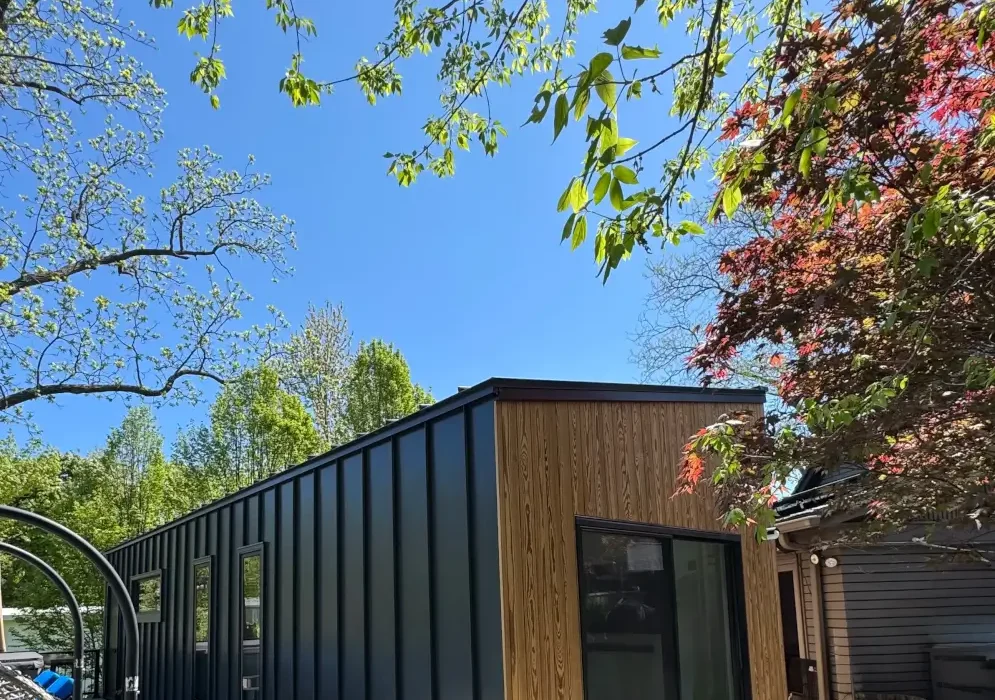
Small homes rarely feel this ambitious. The Laurel Cabin shows how iconic architecture can thrive at a compact scale, combining refined design language, durability, and livability in a way that speaks directly to today’s luxury-minded homeowner. In an era when space efficiency, sustainability, and high-end aesthetics are all in demand, this cabin offers a smarter model for tiny living without sacrificing comfort or style.
Positioned at the intersection of Luxury Architecture, Luxury Design, and Luxury Home innovation, the Laurel Cabin reflects a broader shift in residential design: smaller footprints with bigger ideas. Rather than treating tiny living as a compromise, projects like this elevate it into a design-forward lifestyle choice.
How the Laurel Cabin Brings Iconic Architecture to Tiny Living
What makes a compact home memorable is not just size, but clarity of vision. The Laurel Cabin embodies iconic architecture through disciplined proportions, intentional material choices, and a form that feels both contemporary and timeless. The design appears to prioritize resilience and elegance equally, proving that a tiny structure can still deliver architectural presence.
In luxury residential design, visual impact often comes from a balance of simplicity and detail. The Laurel Cabin appears to embrace that principle with a clean exterior expression and a highly functional interior concept. This is where compact architecture excels: every line, surface, and built-in feature must work harder.
Key design qualities that stand out
- Compact sophistication: A smaller footprint encourages a more edited, curated design language.
- Durable construction thinking: Materials and detailing appear geared toward longevity and everyday performance.
- Modern cabin appeal: The project taps into the growing popularity of elevated retreat-style homes.
- Efficient spatial planning: Luxury here is expressed through usability, not excess.
For readers exploring Luxury Architecture trends, the Laurel Cabin is a strong example of how minimalist planning can still create an emotionally rich home environment.
Why Durability Is Becoming a Luxury Design Essential
One of the most compelling aspects of the Laurel Cabin concept is its emphasis on being a more durable take on tiny living. That matters because the future of iconic architecture is no longer defined by appearance alone. Today, long-term performance is part of the design brief.
In high-end homes, durability increasingly signals value. Homeowners want spaces that are beautiful, but also resilient enough to support changing lifestyles, travel patterns, climate conditions, and maintenance expectations. A tiny home designed with strength and longevity in mind can outperform larger homes burdened by inefficient layouts and costly upkeep.
What durable tiny living means in practice
- Reduced maintenance demands through smarter materials and simplified forms
- Better lifecycle value thanks to robust construction choices
- Greater flexibility for full-time living, guest use, or retreat-style occupancy
- More sustainable performance through efficient resource use and lower operational needs
For the luxury market, that blend of beauty and practicality is increasingly non-negotiable. Iconic architecture today must not only photograph well; it must also age well.
The New Luxury Home Trend: Smaller, Smarter, More Intentional
The Laurel Cabin also reflects a wider movement across the design world: the rise of highly intentional, small-scale homes. In this context, iconic architecture becomes less about monumentality and more about precision. A compact home has no room for wasted gestures, which often results in a stronger, cleaner outcome.
This is especially relevant in the luxury sector, where clients increasingly value:
- Quality over quantity
- Tailored interiors over oversized rooms
- Natural materials and tactile finishes
- Energy-conscious design
- Spaces that support both retreat and productivity
That shift aligns perfectly with the appeal of a well-designed cabin. It can function as a primary residence, a weekend escape, a guest house, or even a remote-work sanctuary. The adaptability adds another layer of sophistication to the project.
Readers interested in Luxury Home planning or Luxury Design inspiration can view the Laurel Cabin as part of a broader evolution toward beautifully efficient living.
How Luxury Decor Supports Compact Architectural Impact
In a small home, decor choices play an outsized role. Because every room is visible and every finish matters, interiors must support the architecture rather than compete with it. That is why iconic architecture in tiny homes often pairs best with restrained, high-quality decor.
The ideal interior approach for a cabin like this would likely include layered textures, warm woods, muted palettes, and custom storage integrated into the architecture itself. Instead of clutter, the emphasis is on calm. Instead of excess, the focus is on craftsmanship.
Luxury decor strategies for tiny cabins
- Use natural stone, timber, and matte metal finishes for timeless appeal
- Choose multi-functional furnishings with sculptural quality
- Maximize natural light to expand the sense of space
- Keep the palette cohesive to strengthen architectural clarity
- Invest in fewer, better pieces that elevate everyday living
These principles are central to Luxury Decor in compact environments, where elegance depends on restraint and cohesion.
Why the Laurel Cabin Matters in the Future of Iconic Architecture
The significance of the Laurel Cabin goes beyond one project. It points to a future in which iconic architecture is increasingly defined by intelligence, adaptability, and environmental awareness. The most exciting homes of the next decade may not be the largest; they may be the ones that solve the most problems with the greatest grace.
That makes this cabin especially relevant for architects, developers, and homeowners watching the evolution of modern residential design. It suggests that luxury can be distilled, durability can be beautiful, and compact living can still feel elevated.
As demand grows for homes that are efficient yet expressive, the Laurel Cabin stands out as a persuasive model. Its design philosophy supports a new kind of aspiration: living with less square footage, but with more thought, more performance, and more meaning.
Ultimately, the Laurel Cabin proves that iconic architecture does not depend on scale. It depends on vision. For anyone rethinking what a luxury home can be, that may be the most important takeaway of all.