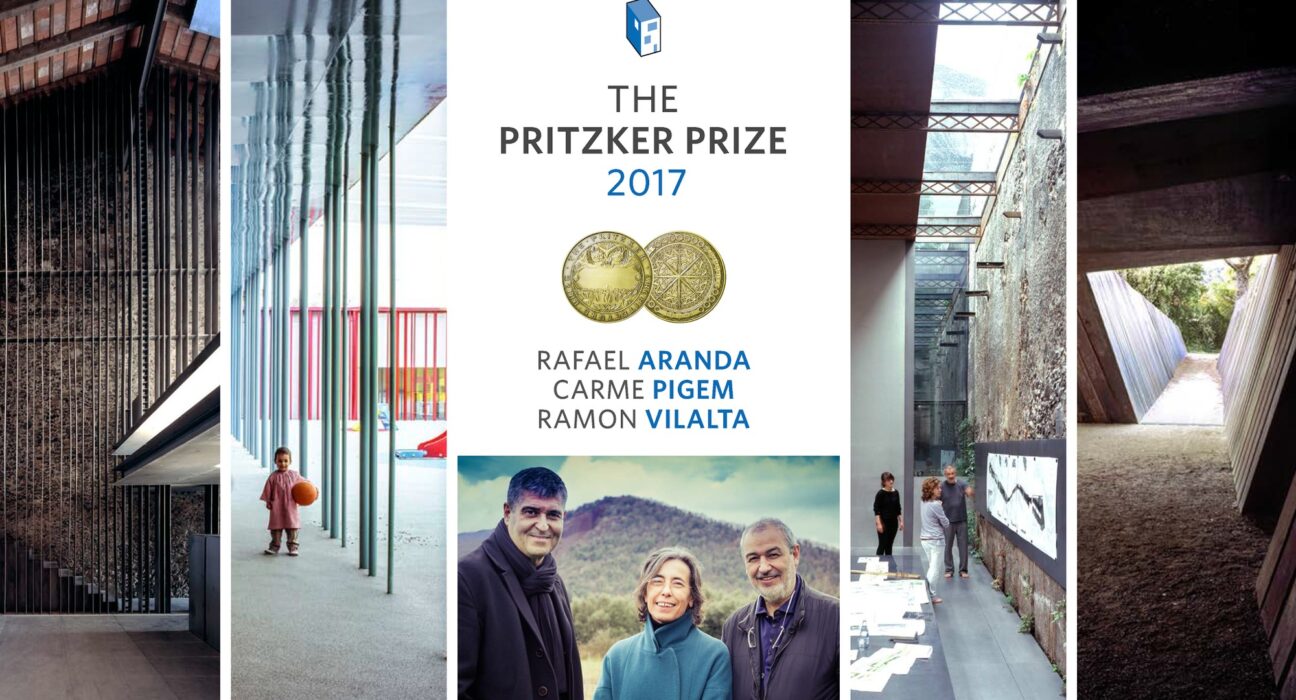
Architecture news rarely captures both the poetry of place and the precision of craft as clearly as the 2017 Pritzker Prize announcement. When Rafael Aranda, Carme Pigem, and Ramon Vilalta of RCR Arquitectes were named laureates, the architecture world gained more than a headline—it gained a compelling reminder that deeply local design can also feel universally luxurious.
For readers interested in luxury architecture, luxury home design, and elevated interiors, RCR’s recognition remains a powerful case study. Their work shows that sophistication does not depend on excess. Instead, it emerges from restraint, material intelligence, light, and an emotional connection between building and landscape.
Architecture News and the Significance of RCR Arquitectes’ Pritzker Win
The 2017 award marked a historic moment in architecture news. RCR Arquitectes became the first trio to receive the Pritzker Prize together, underscoring the importance of long-term creative collaboration. Based in Olot, Girona, the three Catalan architects had worked as a collective since 1988, building a body of work defined by consistency, sensitivity, and a near uncompromising commitment to place.
Their projects span public buildings, private homes, a kindergarten, a winery, and cultural institutions. Yet across these diverse typologies, one theme remains clear: architecture should converse with its setting rather than dominate it. That philosophy resonates strongly in today’s luxury design landscape, where clients increasingly seek homes and spaces with identity, calm, and authenticity.
What Makes RCR’s Architecture Feel Luxurious?
RCR Arquitectes do not rely on decorative extravagance. Their version of luxury is quieter and more enduring. It is found in atmosphere, tactile materials, filtered light, and carefully framed transitions between inside and outside.
1. Materiality with emotional depth
One of the defining qualities of their work is the thoughtful use of materials such as steel, glass, and recycled elements. Rather than using materials for spectacle alone, RCR uses them to create mood and permanence. This approach aligns beautifully with luxury home decor trends that favor artisanal finishes, natural textures, and timeless palettes over short-lived fashion.
2. Transparency and light
Transparency is central to their design language. Openings, layered screens, and reflective surfaces soften boundaries and invite natural light to shape the experience of a room. In luxury homes, this principle translates into brighter interiors, visual calm, and a stronger bond with gardens, courtyards, and surrounding views.
3. A strong relationship to place
In a global market often filled with interchangeable aesthetics, RCR’s work stands out for its rootedness. Their buildings reflect local climate, craft traditions, and landscape conditions. That sense of belonging is increasingly valuable in luxury architecture, where bespoke design is prized above generic statements.
Lessons for Luxury Architecture and High-End Homes
Why does this piece of architecture news continue to matter for homeowners, designers, and developers? Because RCR’s work offers a blueprint for creating spaces that feel exclusive without becoming ostentatious.
Key takeaways for luxury home and luxury decor projects include:
- Prioritize sensory experience: Use light, shadow, texture, and acoustics to create atmosphere.
- Design for context: Let the architecture respond to site, climate, and surrounding nature.
- Choose a disciplined material palette: Fewer, better materials often create a more refined result.
- Blur indoor-outdoor boundaries: Courtyards, glazing, terraces, and screened edges can make a home feel expansive.
- Value craftsmanship: Precision detailing adds quiet luxury that lasts.
These ideas are especially relevant in luxury home decor, where curated simplicity now carries more prestige than visual overload. The most memorable homes are often those that feel effortless, even when every junction and finish has been meticulously considered.
Projects That Illustrate RCR’s Design Philosophy
Several of the firm’s best-known works help explain why their Pritzker win made such an impact in architecture news.
Bell-Lloc Winery
This project in Palamós, Girona, is a striking example of architecture embedded in the landscape. Its use of steel, shadow, and earthy integration creates a dramatic yet grounded experience. For luxury designers, it demonstrates how raw materials can still feel elegant when handled with restraint.
Soulages Museum
In Rodez, France, the Soulages Museum expresses mass, texture, and light with remarkable control. The building feels contemporary but not cold, monumental but still intimate in experience. That balance is central to many luxury design ambitions today.
Les Cols Restaurant Marquee and Row House
These projects reveal RCR’s ability to make even simple spatial gestures feel immersive. Whether designing hospitality spaces or domestic environments, the studio creates emotional resonance through proportion, transparency, and the choreography of movement.
Why RCR’s Approach Feels So Current Today
Although the announcement dates back to 2017, the ideas behind it have only become more relevant. In current architecture news, the industry is increasingly focused on sustainability, regional identity, adaptive material use, and emotional wellbeing in spaces. RCR anticipated many of these priorities.
Their work also speaks directly to luxury consumers who want more than status symbols. Today’s high-end client often looks for:
- Meaningful design rooted in story and setting
- Natural materials with integrity
- Homes that encourage calm and reflection
- Architectural distinction without visual clutter
- Long-term value through timeless design
That shift makes RCR’s oeuvre especially influential across luxury home, luxury decor, and luxury design categories.
The Broader Cultural Impact of the 2017 Pritzker Prize
The jury recognized RCR not only for the beauty of their buildings, but for what those buildings represent in a globalized age. Their work argues that local values and international relevance do not have to be in conflict. A project can be deeply tied to its origins while still speaking to audiences around the world.
That idea remains essential in architecture news because it challenges a one-size-fits-all model of prestige. True design excellence is not about copying global trends. It is about translating place, culture, and material intelligence into built form with clarity and conviction.
RCR’s continued influence also extends through their cultural initiatives, exhibitions, and foundation work supporting architecture, landscape, arts, and society. Their career demonstrates that great architecture is not only about iconic buildings, but about sustaining a meaningful design culture.
Conclusion: A Lasting Benchmark in Architecture News
The story of RCR Arquitectes remains one of the most inspiring chapters in architecture news because it redefined what architectural prestige can look like. Their 2017 Pritzker Prize affirmed that luxury is not synonymous with extravagance—it can be found in silence, craft, atmosphere, and a profound respect for place.
For anyone passionate about luxury architecture, luxury home decor, or timeless contemporary design, RCR offers a valuable lesson: the most powerful spaces are often the ones that feel both deeply rooted and effortlessly universal. That is why this moment in architecture news still matters today.