Architecture news rarely captures global imagination quite like the FIFA World Cup. As the tournament expands and host nations rethink the role of iconic venues, stadium design is becoming a showcase for luxury architecture, civic identity, and future-focused urban planning.
The World Cup is no longer only about sport. It is also about how cities present themselves to the world through landmark structures, high-performance public spaces, and sophisticated hospitality environments. From North America in 2026 to the cross-continental ambitions of 2030, the architecture surrounding the tournament reveals how elite design, infrastructure investment, and cultural storytelling now intersect on a massive scale.
Architecture News and the New Era of World Cup Design
In recent architecture news, major sporting events have become testing grounds for architectural innovation. The FIFA World Cup, in particular, pushes host countries to deliver venues that balance spectacle with legacy. That means more than adding seats or upgrading concourses. It means designing stadiums and event districts that serve residents long after the final whistle.
For luxury-focused readers, this shift is especially compelling. Today’s top-tier stadium architecture increasingly borrows from the language of luxury design:
- Refined material palettes and sculptural exteriors
- Premium hospitality suites and elevated interiors
- Seamless indoor-outdoor experiences
- Integrated landscape and public realm design
- Advanced sustainability systems hidden within elegant forms
This blend of performance and prestige is redefining what a global sports venue can be.
The 2026 World Cup: Expansion, Adaptation, and Urban Scale
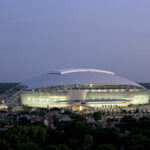
The 2026 FIFA World Cup, hosted across the United States, Canada, and Mexico, represents a major turning point in architecture news. Rather than relying primarily on brand-new stadiums, the tournament will use a network of existing large-scale venues, many of which are being adapted to meet FIFA standards and upgraded for an international audience.
This approach highlights a growing architectural priority: strategic reuse. In luxury architecture terms, adaptation can be as sophisticated as new construction when it improves experience, technology, and long-term value. Stadium retrofits for 2026 are expected to focus on circulation, fan comfort, premium seating, broadcast infrastructure, and hospitality zones.
What makes 2026 architecturally significant?
- Continental reach: Multiple countries and cities create a distributed architectural narrative rather than a single host-city identity.
- Adaptive upgrades: Existing venues demonstrate how renovation can be both practical and design-led.
- Urban integration: Transportation, security, and public space planning become as important as the stadiums themselves.
- Premium experience: VIP lounges, club areas, and luxury amenities reflect the rising expectations of global event audiences.
For followers of architecture news, 2026 is a case study in how mega-events can leverage established infrastructure while still delivering a polished and contemporary design experience.
Looking Ahead to 2030: A World Cup of Symbolism and Legacy
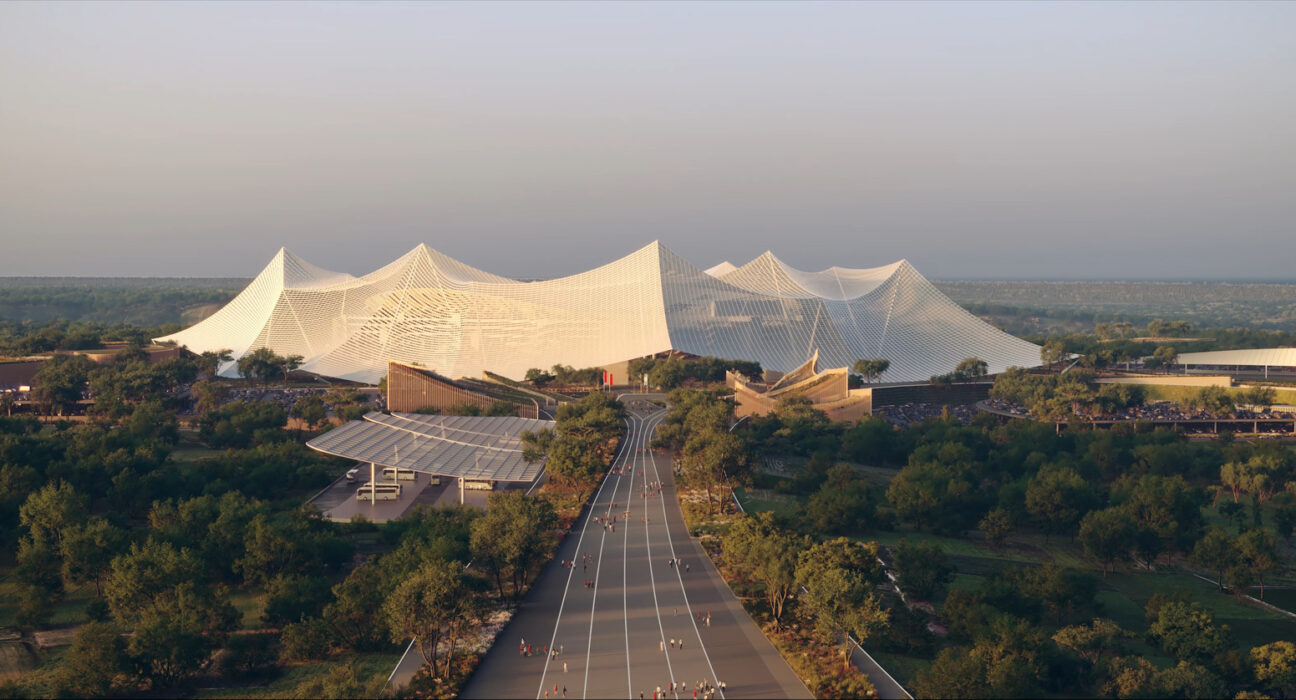
If 2026 is about scale and adaptation, 2030 is shaping up to be about symbolism. The 2030 FIFA World Cup carries special historical weight as it marks the tournament’s centenary. That milestone raises expectations not only for sport, but for architecture that communicates heritage, ambition, and international collaboration.
In the context of architecture news, centenary events often inspire bolder design thinking. Host venues and related projects are likely to emphasize cultural expression, memorable public architecture, and a stronger narrative connection between place and event. Stadiums are no longer isolated objects; they are expected to anchor mixed-use districts, tourism strategies, and national branding efforts.
Design themes likely to define 2030
- Identity-driven architecture: Forms, materials, and details that reflect local culture
- Luxury hospitality: High-end guest experiences embedded into venue planning
- Sustainable legacy: Lower operational impact and stronger post-event community use
- Civic spectacle: Architecture designed for global visibility and media resonance
These themes matter to luxury design audiences because they show how monumental public buildings increasingly adopt the same values seen in elite residential and hospitality design: craftsmanship, atmosphere, exclusivity, and emotional impact.
Luxury Architecture Lessons From World Cup Venues
One reason this story belongs in architecture news beyond the sports world is that stadium projects often influence broader design trends. The most successful venues do not simply maximize capacity. They orchestrate arrival, movement, comfort, and visual drama with remarkable precision.
There are clear parallels with luxury home and luxury decor principles:
- Experience-first planning: Like a luxury residence, a stadium must anticipate how people move through and inhabit space.
- Material storytelling: Exterior cladding, interior finishes, and lighting all shape identity.
- Indoor-outdoor continuity: Landscaped plazas and open concourses mirror high-end residential design strategies.
- Layered exclusivity: Different zones serve different audiences, from general admission to ultra-premium hospitality.
Even if the scale is vastly different, the underlying design philosophy is familiar: architecture should feel purposeful, memorable, and finely composed.
Why World Cup Architecture Matters Beyond the Tournament
The most important takeaway in current architecture news is that World Cup design has consequences far beyond match day. These projects affect transit, tourism, real estate, and public life. A well-designed venue can catalyze district renewal, create new public amenities, and elevate a city’s international profile. A poorly planned one can become an expensive burden.
That is why legacy planning remains essential. The best World Cup architecture answers a few critical questions:
- Will the venue remain useful after the event?
- Can it adapt to concerts, community events, and local sports?
- Does it improve the surrounding neighborhood?
- Is the design environmentally and financially sustainable?
These are the same questions increasingly shaping luxury development at every scale, from boutique hospitality to large residential masterplans.
Conclusion: The Future of Architecture News Is Written in Global Arenas
As 2026 approaches and 2030 comes into sharper focus, architecture news will continue to track the FIFA World Cup as a powerful lens on design ambition. The tournament’s venues reveal how architecture can merge spectacle, luxury, infrastructure, and legacy into a single global statement.
For readers interested in luxury architecture, luxury decor, and luxury design, the lesson is clear: the most compelling projects are those that pair visual impact with long-term purpose. In that sense, the future of architecture news is not just about buildings that impress in the moment, but about places designed to endure.