Architecture news rarely captures global imagination quite like the FIFA World Cup. Beyond the drama on the pitch, the tournament has become a powerful showcase for stadium innovation, urban transformation, and the rising influence of luxury architecture in civic design.
As attention shifts from the 2026 edition to the 2030 tournament, the built environment surrounding football’s biggest event offers far more than a collection of venues. It reveals how cities use landmark design to express identity, attract investment, and create premium experiences that blur the line between sports infrastructure and high-end lifestyle design. For readers interested in luxury architecture, luxury decor, luxury design, luxury home inspiration, and luxury home decor trends, the World Cup provides a fascinating lens into how monumental public projects influence private taste.
Architecture News and the New Era of World Cup Design
Recent architecture news around the World Cup points to a major shift in what stadiums are expected to do. They are no longer isolated sports containers. Today’s host venues are conceived as multipurpose destinations, urban anchors, and symbols of national ambition.
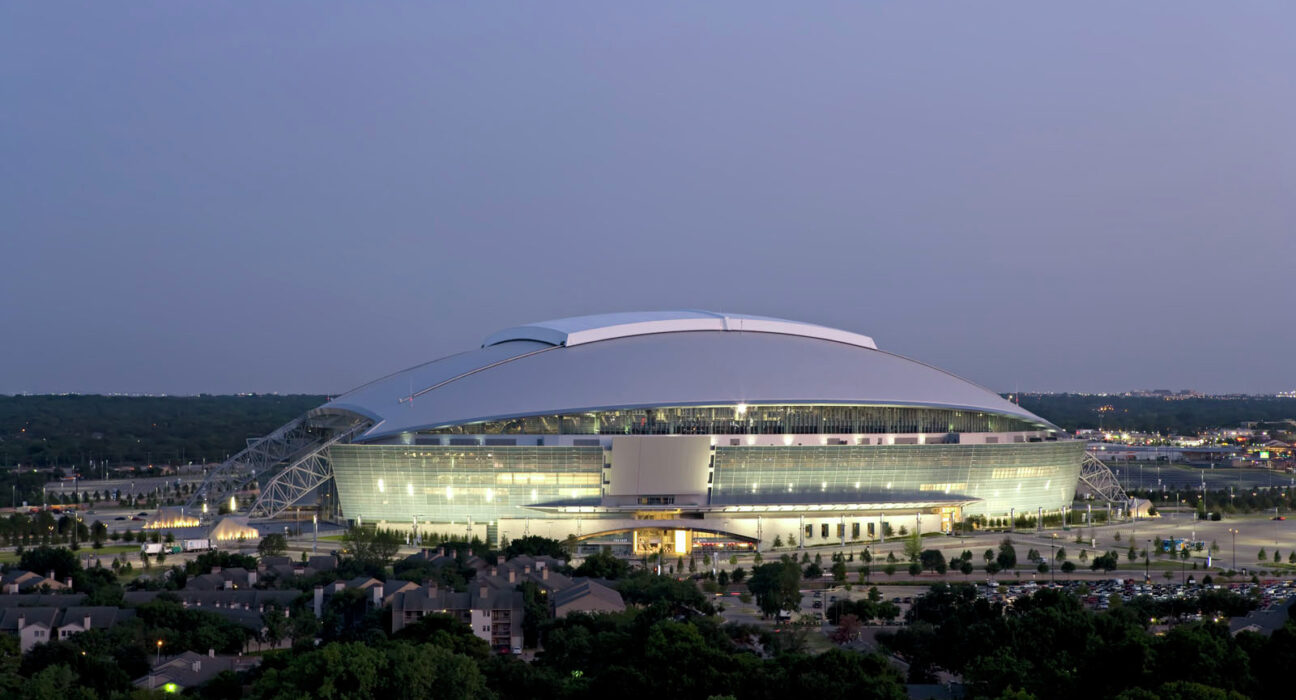
The 2026 World Cup, spread across North America, highlights a network of advanced arenas that prioritize capacity, technology, hospitality, and transport access. Looking ahead, the 2030 tournament brings another layer of complexity, with heritage, sustainability, and cultural storytelling likely to play a larger role in architectural discourse.
What makes this especially relevant in architecture news is the crossover between large-scale event design and luxury living trends. Premium materials, immersive lighting, bespoke interiors, exclusive lounges, and seamless indoor-outdoor circulation are all ideas that migrate from elite stadium architecture into luxury residential and hospitality spaces.
What 2026 Reveals About Stadium Luxury and Urban Experience
The 2026 tournament offers a clear picture of where global sports architecture is heading. Many host venues are already known for their scale and technical sophistication, but the real story lies in the experience economy built into their design.
Premium design is now central
Modern stadium architecture increasingly incorporates features once reserved for five-star hotels and elite residences, including:
- Private suites with curated interior finishes
- High-end hospitality zones with lounge-style seating
- Enhanced acoustic and lighting systems for immersive atmosphere
- Refined circulation planning for smoother VIP movement
- Integrated retail, dining, and entertainment environments
This is why architecture news around sports venues resonates beyond football fans. These projects act as laboratories for luxury design, influencing everything from material palettes to spatial planning in upscale homes and mixed-use developments.
Urban integration matters more than ever
Another defining theme of 2026 is connectivity. Great stadium design is no longer judged only by the building itself, but by how it relates to its surroundings. Transit links, public space, adjacent commercial districts, and pedestrian access all shape the success of a World Cup venue.
For luxury developers, this mirrors a familiar principle: premium value comes from context as much as craftsmanship. In both stadium districts and luxury home environments, architecture succeeds when it creates a complete ecosystem rather than a standalone object.
Looking Ahead to 2030: Heritage, Sustainability, and Global Identity
If 2026 emphasizes scale and entertainment infrastructure, 2030 is likely to deepen the conversation around place, memory, and legacy. In architecture news, that means greater interest in how host cities balance modernization with cultural continuity.
Designing for legacy instead of spectacle alone
The best World Cup architecture does not peak during the tournament and fade afterward. It leaves behind useful public assets, revived districts, and buildings that remain relevant for decades. This long-view approach is increasingly essential as cities face scrutiny over cost, environmental impact, and post-event use.
Expect 2030 discussions in architecture news to focus on several architectural priorities:
- Adaptive reuse of existing venues where possible
- Lower-carbon construction strategies
- Climate-responsive facades and cooling systems
- Public realm improvements that outlast the tournament
- Architectural references to local history and identity
These themes matter to luxury architecture as well. Today’s high-end homeowners and designers are more interested in longevity, provenance, and environmental intelligence than in superficial grandeur alone.
Cultural storytelling through architecture
World Cup venues increasingly serve as national calling cards. Form, structure, materials, and landscape design all become tools for storytelling. Whether through regional references, local craftsmanship, or symbolic geometry, these projects communicate identity at a global scale.
That same sensibility is visible across luxury home decor and luxury design. The most compelling spaces often feel rooted, not generic. They use texture, artisanal detailing, and contextual design language to create authenticity. In that sense, the stadiums featured in major architecture news cycles often preview broader aesthetic directions for the luxury sector.
How World Cup Architecture Influences Luxury Home and Decor Trends
It may seem like a leap from football arenas to private residences, but the connection is stronger than it appears. High-profile sports venues often accelerate ideas that later appear in luxury homes, penthouses, and boutique developments.
Key design lessons crossing into residential spaces
- Statement lighting: Dynamic illumination used in stadium exteriors inspires sculptural residential lighting schemes.
- Fluid circulation: Large venue planning reinforces the value of intuitive movement through space.
- Material layering: Metal, stone, timber, and performance surfaces are increasingly combined for tactile richness.
- Indoor-outdoor continuity: Stadium concourses and open public terraces echo trends in expansive luxury home living.
- Experiential amenity design: Home theaters, wellness suites, wine rooms, and entertainment lounges borrow from hospitality-driven planning.
Following architecture news tied to the World Cup is therefore useful even for readers focused primarily on interiors or luxury real estate. These mega-projects often signal where design expectations are heading next.
Why Architecture News Around the World Cup Matters
The World Cup is one of the few events that places architecture at the center of a truly global conversation. Stadiums become vessels for engineering ambition, civic branding, and public memory. At the same time, they shape how people think about comfort, spectacle, sustainability, and prestige.
For the luxury audience, this makes architecture news about the World Cup especially compelling. It is not just about sport. It is about how design performs under the world’s spotlight, how cities invest in landmark environments, and how large-scale innovation filters into homes, hotels, and lifestyle spaces.
As 2026 approaches and 2030 comes into sharper focus, one thing is clear: the future of World Cup architecture will be defined not just by size, but by intelligence, elegance, and legacy. That is why architecture news in this space deserves attention from anyone invested in the next chapter of luxury architecture and design.