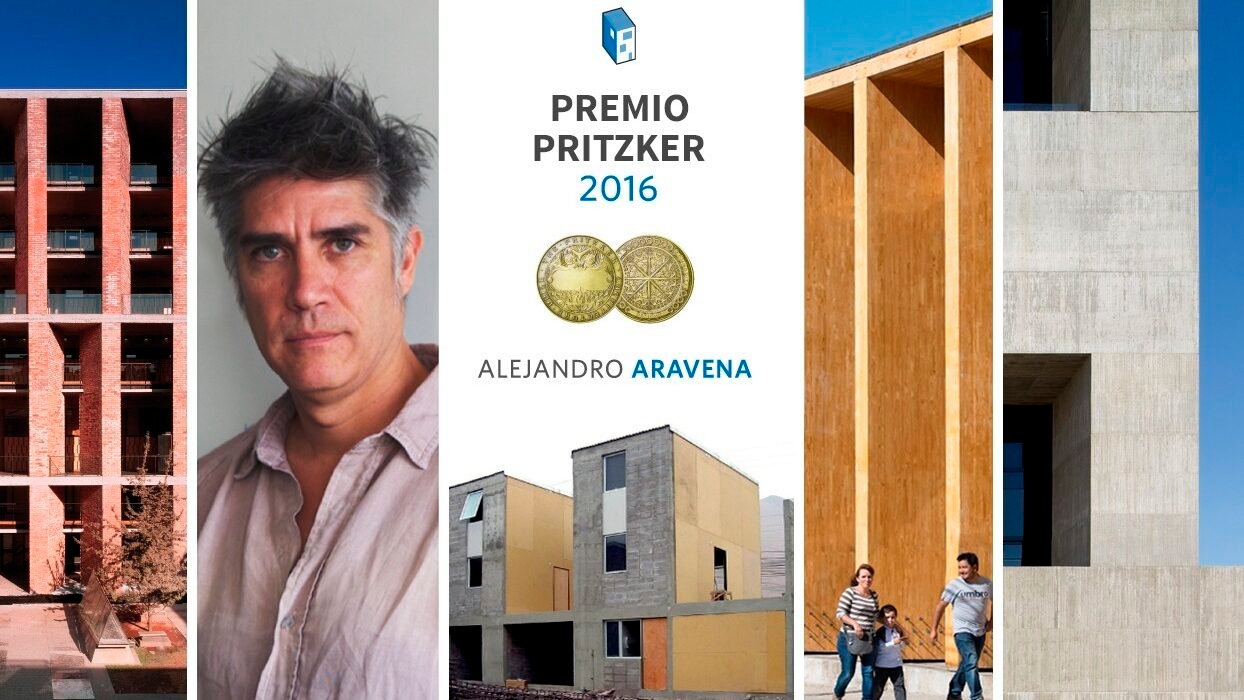
Architecture news rarely changes the way the industry sees itself, but Alejandro Aravena’s 2016 Pritzker Prize did exactly that. His recognition signaled a powerful shift: world-class architecture is no longer judged only by spectacle, exclusivity, or formal innovation, but also by how deeply it improves everyday life.
Named the 41st Pritzker Prize laureate and the first Chilean architect to receive the honor, Aravena was celebrated for work that bridges design excellence with urgent social need. For readers interested in luxury architecture, luxury design, and the future of high-end living, this moment matters because it expanded the definition of architectural value itself.
Architecture News: Why Alejandro Aravena’s Pritzker Win Mattered
In major architecture news cycles, award announcements often spotlight iconic buildings or elite cultural institutions. Aravena’s selection stood apart because the jury emphasized his commitment to urban improvement, housing equity, and public good alongside architectural beauty.
At the time of the award, Aravena was already internationally respected for a portfolio spanning Chile, the United States, Mexico, China, and Switzerland. His projects included academic buildings, civic works, and private commissions. Yet the core of the jury’s praise centered on his ability to address social and economic challenges without sacrificing design intelligence.
That distinction is critical. In a design culture frequently drawn to visual excess, Aravena demonstrated that refinement, restraint, and purpose can be just as powerful as grandeur. This is one reason his win still resonates across luxury architecture and luxury home discourse today.
A Broader Vision of Architecture Beyond Prestige
Through his firm ELEMENTAL, often described as a “Do Tank,” Aravena helped develop thousands of social housing units while engaging directly with public policy, local communities, and market realities. Rather than treating architecture as an isolated art form, he positioned it as a practical tool for improving the built environment at scale.
This approach challenged the traditional image of the architect as a creator serving only private clients or landmark commissions. Instead, Aravena advanced a model in which architects collaborate with:
- Government agencies
- Residents and community groups
- Lawyers and policy experts
- Builders and developers
- Researchers and urban planners
In the world of architecture news, that interdisciplinary role was especially significant. It suggested that the architect’s influence reaches far beyond aesthetics into civic life, economics, and social justice.
What This Means for Luxury Architecture and Luxury Home Design
At first glance, a story rooted in social housing may seem distant from luxury home decor or premium residential design. In reality, Aravena’s work offers an important lesson for the luxury market: true sophistication is not just about expensive materials or dramatic square footage. It is about clarity, intelligence, and lasting value.
For luxury architecture professionals, his Pritzker Prize reinforced several ideas that remain highly relevant:
- Design should solve real problems. Beauty has greater impact when it improves how people live.
- Material simplicity can feel more refined than excess. Careful proportion and purpose often outlast trends.
- Context matters. The best luxury homes respond to landscape, climate, and local culture.
- Social awareness enhances prestige. Today’s most admired designers often show ethical as well as aesthetic leadership.
These principles have influenced not only urban housing debates but also contemporary luxury design, where clients increasingly value sustainability, flexibility, and meaningful craftsmanship.
The Rise of Purpose-Driven Luxury
One of the most enduring outcomes of this architecture news moment is the idea that purpose and prestige are no longer opposites. High-end homes now frequently incorporate passive design strategies, adaptable layouts, natural materials, and stronger community relationships. In that sense, Aravena’s philosophy aligns with a broader shift toward thoughtful luxury.
Luxury home buyers and designers are asking sharper questions: Does this residence enrich daily life? Does it use resources responsibly? Does it create a sense of place rather than simply display wealth? These are the same kinds of deeper design questions Aravena helped bring into global conversation.
The Global Housing Crisis Behind the Headlines
Part of the significance of Aravena’s award lies in timing. South America, like many regions experiencing rapid urbanization, has faced major housing shortages and expanding informal settlements. With much of the population living in cities, the need for scalable, affordable, and dignified housing became impossible to ignore.
This context gave the Pritzker jury’s decision exceptional weight in architecture news. The award effectively acknowledged that one of the profession’s biggest responsibilities is confronting inequality in the built environment.
Aravena’s work stood out because it refused to accept the false choice between cost-efficiency and quality. His projects showed that even limited resources can produce architecture that is humane, flexible, and architecturally ambitious. That message continues to influence discussions around urban development, residential planning, and luxury design strategy alike.
Why Aravena’s Legacy Still Shapes Architecture News
Aravena’s Pritzker recognition also reflected a larger trend in the award’s direction. In the years surrounding 2016, the jury increasingly honored architects whose work extended beyond formal experimentation into humanitarian and environmental action. This signaled a changing professional standard: architecture must respond to the world as it is, not just as an aesthetic exercise.
For design enthusiasts following architecture news, Aravena remains a defining figure because he reframed architecture as both elegant and engaged. He argued, in essence, that architects should intensify what is available instead of fixating on what is missing. That mindset has applications everywhere, from civic infrastructure to bespoke luxury homes.
Key Takeaways for Designers and Homeowners
- Great architecture balances beauty with responsibility.
- Luxury design benefits from restraint, intelligence, and context.
- Housing innovation can inspire even the highest end of residential design.
- The architect’s role is expanding into policy, sustainability, and social impact.
Conclusion
This chapter in architecture news was about more than one prize or one architect. Alejandro Aravena’s 2016 Pritzker Prize marked a cultural turning point, proving that architecture earns its highest relevance when it serves both art and humanity.
For the worlds of luxury architecture, luxury decor, luxury design, and the luxury home, the takeaway is clear: the future belongs to spaces that are not only beautiful, but meaningful. That is why this milestone in architecture news still matters today.