
In the world of Architecture news, the most memorable stories are often the ones that blur the line between art, landscape, and design. The Parlour Gardens exhibition at Barcelona’s Botanic Garden does exactly that, presenting miniature ceramic landscapes that invite visitors to rethink scale, materiality, and the meaning of crafted outdoor space.
Set within one of Spain’s most atmospheric garden settings, the exhibition transforms ceramic objects into poetic terrain. Rather than acting as simple decorative pieces, these small-scale works echo the language of topography, architecture, and luxury garden design. For audiences interested in luxury architecture, luxury decor, and luxury home inspiration, the installation offers a refined lesson in how landscape ideas can be translated into tactile, collectible form.
Architecture News Spotlight: A Garden Exhibition Rooted in Craft
This edition of Architecture news highlights a project that sits at the intersection of exhibition design and artisanal making. At Barcelona’s Botanic Garden, miniature ceramic landscapes are displayed in dialogue with the surrounding environment, creating a contrast between vast natural ecosystems and intimate sculptural compositions.
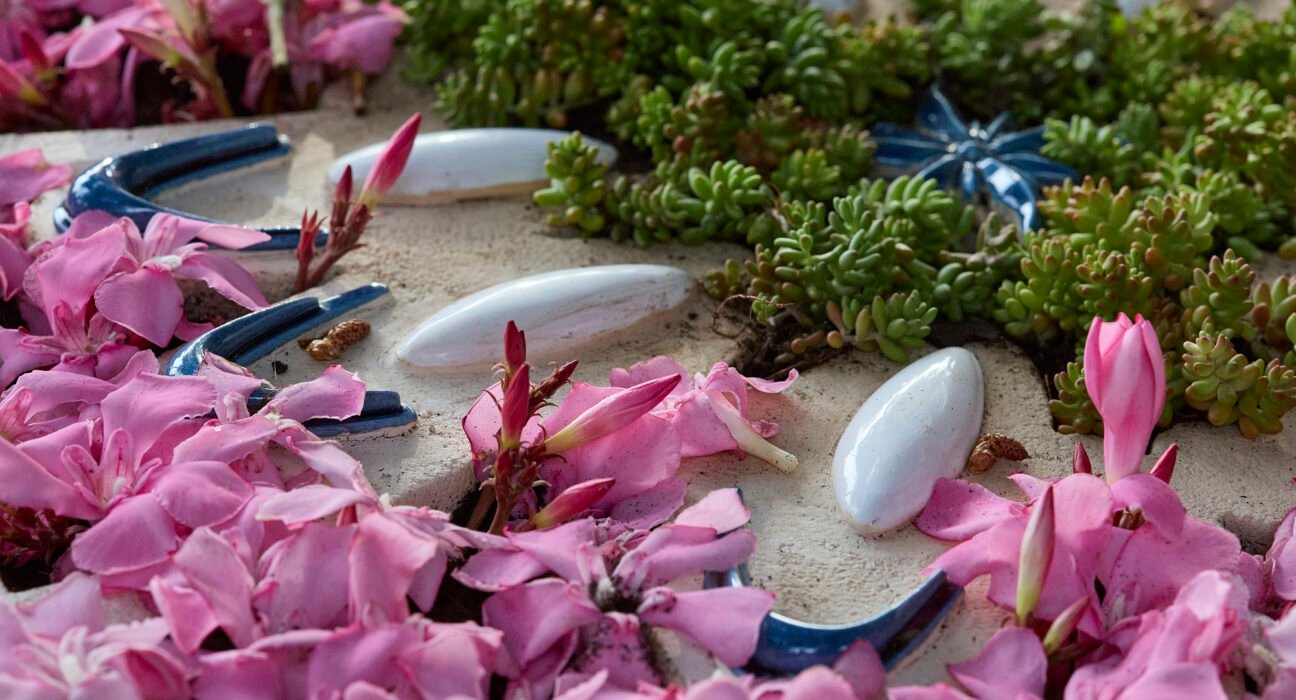
The concept is compelling because it compresses the visual drama of a garden into highly detailed ceramic forms. Hills, contours, planting references, and terrain-like surfaces appear in reduced scale, turning each piece into a micro-landscape. The result feels both contemplative and luxurious, appealing to design lovers who value craftsmanship as much as architecture itself.
In a broader cultural sense, the exhibition reflects several themes currently shaping contemporary design:
- A renewed appreciation for handmade objects
- The fusion of art installation and landscape architecture
- An interest in collectible design for interiors and gardens
- The use of natural settings to frame curated design experiences
Why Miniature Ceramic Landscapes Matter in Contemporary Design
What makes this story especially relevant in Architecture news is its treatment of scale. Architects and designers frequently work between masterplans and details, between the monumental and the intimate. The Parlour Gardens exhibition captures that same tension in ceramic form.
Miniature landscapes are not merely decorative. They function as conceptual models, artistic statements, and luxury objects all at once. In a design era increasingly interested in sensory richness, ceramics bring qualities that digital renderings cannot: texture, weight, irregularity, and the evidence of the human hand.
For luxury homeowners and interior designers, these qualities are especially appealing. A ceramic landscape piece can operate as:
- A sculptural centerpiece in a living room or gallery-like interior
- A conversation-starting object in luxury home decor
- An artistic bridge between indoor styling and outdoor landscape design
- A collectible work that adds narrative depth to curated spaces
This is where the exhibition resonates beyond the museum or garden setting. It points to a larger movement in luxury design where handcrafted pieces are valued not only for their beauty, but for their ability to evoke place.
Barcelona’s Botanic Garden as the Perfect Setting
The location is central to the experience. Barcelona’s Botanic Garden already offers visitors a layered encounter with climate, species, and landscape composition. Hosting miniature ceramic gardens within that environment creates a thoughtful dialogue between real ecosystems and interpreted ones.
In terms of exhibition design, this setting does several things well:
- It amplifies the contrast between large natural landscapes and miniature crafted versions
- It frames ceramics as living design objects rather than static gallery artifacts
- It reinforces the relationship between botany, architecture, and material culture
For followers of Architecture news, this kind of curatorial approach is significant. It shows how exhibitions can move beyond white-wall presentation and instead create immersive design narratives tied to place. Barcelona, long celebrated for architectural innovation and artistic heritage, provides an especially fitting backdrop.
Luxury Architecture, Luxury Decor, and the Rise of Collectible Landscape Art
One reason this exhibition deserves attention across luxury categories is its crossover appeal. It speaks as much to architecture enthusiasts as it does to collectors of luxury decor and luxury home accessories. In high-end residential design, there is a growing desire for objects that feel bespoke, earthy, and intellectually engaging.
Miniature ceramic landscapes answer that demand because they combine:
- Material richness through glazed and textured ceramic surfaces
- Spatial storytelling by suggesting gardens, landforms, and built environments
- Decorative versatility in both minimalist and layered interiors
- Artisanal value through hand-finished craft
For luxury home decor trends, this signals a move away from mass-produced ornament and toward objects with sculptural identity. A piece inspired by landscape can soften modern interiors, complement natural stone and wood palettes, and create visual continuity between architecture and decoration.
Design Lessons Luxury Homeowners Can Take Away
The exhibition also offers practical inspiration for residential spaces. Homeowners and designers can translate its ideas through:
- Using ceramic sculpture to echo the tones and contours of a garden outside
- Layering handcrafted decor with organic materials like limestone, oak, and linen
- Creating tabletop arrangements that feel like curated mini landscapes
- Choosing statement objects that bring artistry into everyday rooms
These strategies align with current luxury design preferences, where restraint, craftsmanship, and nature-inspired forms define sophisticated homes.
What This Means for Architecture News and Future Design Exhibitions
As Architecture news continues to evolve, stories like Parlour Gardens reveal how broad the discipline has become. Architecture is no longer limited to buildings alone; it now encompasses landscape thinking, material experimentation, collectible design, and immersive cultural presentation.
This exhibition suggests a future in which design institutions increasingly spotlight smaller-scale works with architectural relevance. Ceramics, models, installation pieces, and crafted objects can communicate spatial ideas just as powerfully as full-size structures. That matters for both professionals and enthusiasts, because it expands how we understand design innovation.
It also reinforces an important truth in luxury architecture: refinement is often found in detail. A hand-shaped ceramic contour can hold as much emotional power as a grand facade when it is thoughtfully made and meaningfully placed.
Conclusion
The Parlour Gardens exhibition at Barcelona’s Botanic Garden is a standout moment in Architecture news, showing how miniature ceramic landscapes can capture the essence of place, craft, and design sophistication. For readers interested in luxury architecture, luxury decor, and luxury home inspiration, it offers a compelling reminder that great design is not always monumental—sometimes it fits in the palm of a hand while still transforming how we see the world.
As a takeaway, this story underscores the growing importance of collectible craft, landscape-inspired decor, and site-sensitive exhibition design. In today’s Architecture news, the most exciting ideas often emerge where art, nature, and architecture meet.