Ireland Travel is often associated with castle stays, coastal drives, and five-star city breaks, but the country’s surging property market is becoming part of the luxury conversation too. New figures show Dublin’s average house price has climbed to a record €635,000, underscoring how premium real estate, urban lifestyle demand, and high-end living continue to shape Ireland’s capital.
For travelers, investors, and luxury market watchers, this matters well beyond housing headlines. Dublin’s residential trends influence everything from the appeal of affluent neighborhoods to the cost of extended stays, executive relocations, and the broader experience of upscale Ireland Travel.
Ireland Travel and Dublin’s New Property Milestone
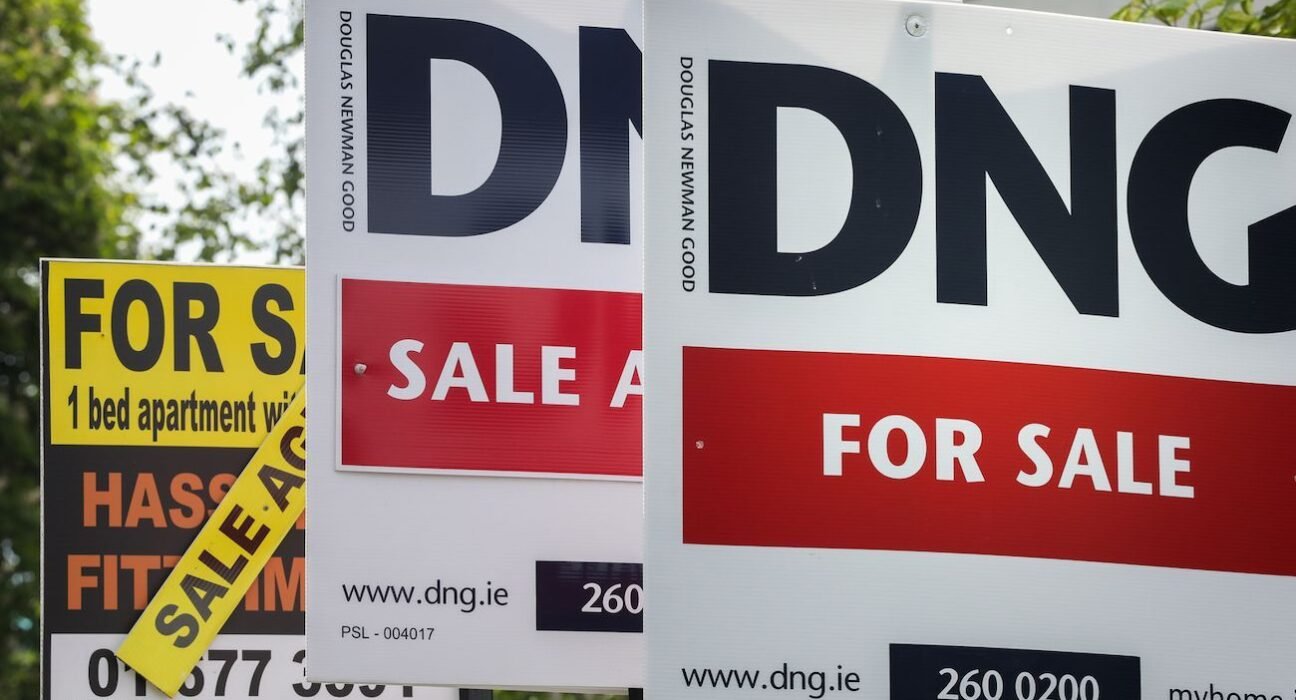
The latest market data indicates that the average house price in Dublin has reached €635,000, placing the capital firmly at the top of Ireland’s residential price ladder. While annual price growth in Dublin has cooled to 2.7%, the overall level remains strikingly high, sitting 44% above pre-pandemic levels and only 7.5% below the heights seen during the Celtic Tiger era.
That slower growth rate is significant. It suggests that while Dublin remains expensive, the pace of bidding pressure is easing. For those following Ireland Travel through a luxury lens, this points to a city that is still highly desirable but entering a more measured phase of the market cycle.
What the numbers show
- Average house price in Dublin: €635,000
- Average house price nationwide: just under €445,000
- Dublin annual list price growth: 2.7%
- National gap between asking and sold prices: 2.6%, down from 6.8% a year earlier
- Second-hand homes for sale nationwide: fewer than 13,800 as of September 1
These figures reveal a market that is still constrained, but less overheated than it was a year ago.
Why Luxury Travelers Should Care
At first glance, house prices may seem removed from Ireland Travel planning. In reality, they offer a useful window into demand patterns, neighborhood prestige, and the cost structure behind luxury accommodation, serviced apartments, and long-stay rentals.
In cities like Dublin, premium housing markets often overlap with areas favored by affluent visitors. Neighborhoods with strong property values tend to support:
- Boutique hotels and luxury aparthotels
- High-end dining and shopping districts
- Executive rental demand
- Restored Georgian homes and design-led hospitality
- Stronger long-term appeal for international buyers and expats
For anyone combining Ireland Travel with relocation scouting, property investment research, or an extended cultural stay, Dublin’s pricing tells a story of enduring international appeal.
A Cooling Market, Not a Cheap One
One of the most important takeaways is that Dublin’s market is cooling in speed, not collapsing in value. Report analysis suggests that softer price pressure is being driven more by weaker demand than by a surge in supply.
That distinction matters. Supply remains tight, especially in the second-hand market. Fewer than 13,800 second-hand homes were available nationwide in early September, a 12.5% increase year on year, but still only around half the pre-pandemic norm. In other words, inventory has improved slightly, yet remains structurally low.
For the Ireland Travel audience, this reinforces the idea that prime urban Ireland continues to command a premium. Whether booking a luxury base in Dublin or considering a lifestyle purchase, buyers and visitors alike are engaging with a market where scarcity still underpins value.
What is “market heat”?
The report highlights a sharp drop in “market heat,” measured by the gap between the initial asking price and the final sale price. Nationally, that spread has narrowed to 2.6%, down from 6.8% a year earlier.
This suggests:
- Homes are attracting less aggressive overbidding
- Buyers may be more cautious than before
- Properties are staying on the market longer
- Negotiation conditions are improving slightly
For luxury observers, this may signal a more balanced environment in the months ahead.
How Dublin Compares With the Rest of Ireland
Dublin remains the headline market, but it is not the fastest-growing. Waterford recorded the strongest annual inflation rate at 11%, while Cork, Galway, and Limerick all posted increases below 6% through September.
Average prices for a three-bedroom semi-detached home in other major cities also show how the market differs across Ireland:
- Cork city: €431,000
- Galway city: €424,000
- Limerick city: €376,000
These regional variations are relevant for Ireland Travel itineraries that go beyond the capital. Affluent travelers and second-home seekers may find better value in cities that still offer culture, dining, and easy access to scenic regions without Dublin’s top-tier price tag.
New Homes vs. Second-Hand Homes
Another notable shift is the difference between new-build and second-hand housing. Sales of second-hand homes fell by 1% in the year to June, while new-home sales rose by 13%. The median price of a newly built home nationally reached €448,000, up 3% year on year.
This trend may reflect changing preferences, especially outside Dublin, where some demand appears to be moving toward modern turnkey homes. For high-net-worth buyers, that can mean greater interest in energy-efficient properties, lower-maintenance finishes, and contemporary developments near key lifestyle hubs.
Within the wider Ireland Travel market, this also mirrors a hospitality shift: many luxury guests increasingly value design, convenience, sustainability, and seamless amenities as much as heritage character.
What This Means for the Luxury Travel Market
Luxury travel and luxury property often move in parallel. When a destination retains pricing power in its residential market, it usually reflects confidence in its lifestyle offering. Dublin still benefits from that dynamic, even as transaction activity softens.
For premium travelers, the implications are clear:
- Dublin remains Ireland’s flagship urban luxury destination
- Prestige neighborhoods are likely to stay highly sought after
- Extended-stay and executive accommodation may remain expensive
- Regional cities could attract more attention as value-driven luxury alternatives
As Ireland Travel evolves, real estate data provides a deeper layer of insight into where demand is strongest and how luxury experiences may be priced and positioned.
Conclusion: A Premium Capital Still Worth Watching
Dublin’s record €635,000 average house price confirms the capital’s place as one of the most expensive and desirable markets in the country. Although price growth has slowed, limited supply and lasting appeal continue to support high valuations.
For anyone interested in Ireland Travel, especially at the luxury end of the market, the message is straightforward: Dublin remains premium, resilient, and closely tied to the broader story of upscale living in Ireland. Whether you are planning a refined city escape, researching elite neighborhoods, or tracking investment-friendly destinations, Ireland Travel now includes a sharper focus on how property shapes the experience.