Architecture news is increasingly focused on one urgent question: how can cities grow without cutting nature into isolated fragments? Green corridors offer one of the clearest answers, linking parks, riverbanks, urban forests, and conservation land into connected ecological networks that support biodiversity while improving the quality of urban life.
For readers interested in luxury architecture, luxury home design, and refined urban living, green corridors are more than an environmental planning concept. They are becoming a defining element of premium neighborhoods, resilient landscapes, and high-value developments that combine beauty, wellness, and long-term sustainability.
Architecture News and the Rise of Green Corridors
In simple terms, green corridors—also called biodiversity corridors—are continuous or strategically connected stretches of land designed to protect and restore ecological movement. They reconnect natural areas that have been split apart by roads, real estate expansion, agriculture, or other forms of human intervention.
This matters because disconnected habitats make it harder for wildlife to move, plants to spread seeds, and ecosystems to remain healthy. A well-planned corridor can:
- Allow animals to travel safely between habitats
- Support pollination and seed dispersal
- Increase vegetation cover in urban and peri-urban areas
- Reduce ecological isolation caused by development
- Create more climate-resilient landscapes
In current architecture news, green corridors are increasingly presented as essential infrastructure, not optional landscaping. They help cities function better environmentally while also shaping more desirable public and private spaces.
What Exactly Is a Green Corridor?
A green corridor is not just a linear park or a decorative strip of planting. It is a coordinated system of natural or restored land that strengthens the connection between ecosystems. These corridors may link forests, wetlands, conservation zones, river edges, or urban green spaces that would otherwise remain fragmented.
Their purpose is both ecological and spatial. On the ecological side, they preserve biodiversity by enabling the movement of species. On the spatial side, they introduce continuity into the built environment, softening hard urban edges and improving how residents experience the city.
Examples can include:
- Revegetated riverfronts running through dense districts
- Greenways connecting parks and residential enclaves
- Tree-lined mobility routes for pedestrians and cyclists
- Protected ecological belts around expanding cities
- Restored urban ravines or creek systems
This is why architecture news increasingly links green corridors to urban planning, landscape architecture, and luxury residential development.
Why Green Corridors Matter in Luxury Architecture
In the luxury market, location has always been everything. Today, however, buyers and designers are redefining what a prime location means. It is no longer only about centrality, views, or prestige. It is also about clean air, access to nature, walkability, privacy, and wellness. Green corridors contribute to all of these.
1. They elevate the living experience
Homes near connected green space often benefit from calmer surroundings, better microclimates, and stronger visual relationships with nature. In luxury architecture, that can translate into panoramic landscape views, biophilic interiors, shaded outdoor living, and a deeper sense of retreat within the city.
2. They support long-term property value
Premium developments tied to ecological infrastructure tend to stand out in crowded markets. Buyers increasingly recognize that access to green networks is a lifestyle advantage as well as a resilience asset. This trend appears frequently in architecture news covering high-end urban districts and master-planned communities.
3. They shape better design decisions
When architects and developers work with a green corridor instead of against it, the result can be more sophisticated site planning. Buildings can be oriented toward natural vistas, stormwater strategies can be integrated into landscape design, and outdoor amenities can feel immersive rather than ornamental.
Green Corridors, Urban Biodiversity, and Design Quality
One of the biggest misconceptions is that biodiversity planning restricts design ambition. In reality, it often expands it. Green corridors encourage interdisciplinary thinking between architects, landscape architects, ecologists, and planners, leading to richer and more intelligent environments.
High-end projects can integrate corridor principles through:
- Native planting palettes that support local ecosystems
- Permeable landscape systems that absorb stormwater naturally
- Layered outdoor spaces such as terraces, courtyards, and garden rooms
- Low-impact mobility routes for walking and cycling
- Buffer zones that protect sensitive habitats while preserving privacy
For luxury home decor and luxury design, this ecological mindset also influences materials, textures, and indoor-outdoor continuity. Natural stone, timber tones, water features, shaded pergolas, and expansive glazing become part of a broader environmental narrative rather than isolated aesthetic choices.
What Architecture News Suggests About the Future of Cities
The most forward-looking architecture news points to a future in which green corridors are treated as core civic infrastructure. As climate pressures intensify, cities will need connected landscapes that cool neighborhoods, absorb runoff, improve air quality, and provide habitat continuity.
This shift affects every scale of design:
- Urban planning: integrating ecological networks into growth strategies
- Residential architecture: orienting homes around landscape connectivity
- Luxury developments: marketing wellness, exclusivity, and sustainability together
- Public realm design: creating walkable green links between destinations
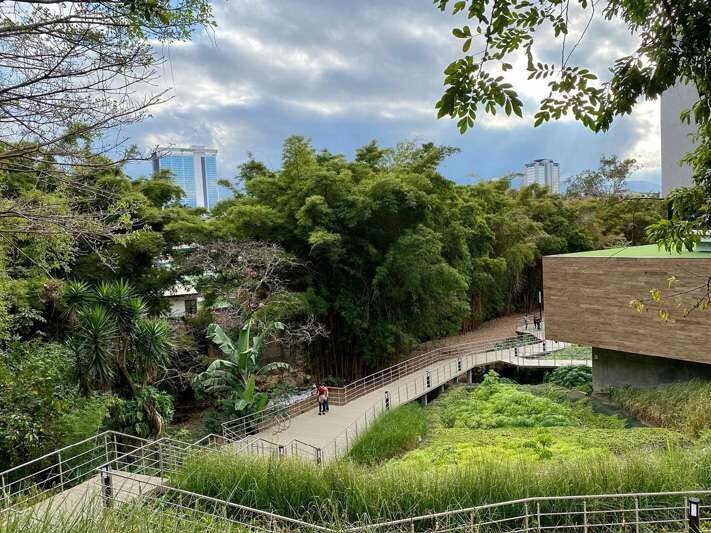
Projects such as urban nature routes, restored waterways, and vegetated circulation systems show that green corridors can be both highly functional and visually compelling. They can define identity, encourage slower mobility, and make dense cities feel more breathable and humane.
Why This Matters for Luxury Homeowners and Designers
For homeowners, green corridors offer a powerful mix of prestige and practicality. A residence connected to meaningful landscape systems can deliver tranquility, recreation, and stronger environmental performance. For designers, these corridors open the door to more context-sensitive architecture that feels rooted in place.
In luxury home and luxury decor circles, the conversation is moving beyond manicured gardens toward integrated ecological design. The question is no longer whether green space looks attractive, but whether it functions as part of a living network.
That is the real takeaway from today’s architecture news: green corridors are not fringe ideas. They are becoming central to how beautiful, resilient, and valuable places are made. For luxury architecture in particular, they represent a future where exclusivity and environmental intelligence can coexist—and where the finest spaces are those most thoughtfully connected to the natural world.