
Architecture news rarely lands with as much global significance as this. Beijing has officially been named UNESCO-UIA World Capital of Architecture 2029, a designation that puts one of the world’s most layered cities at the center of the international design conversation for the next three years.
For readers interested in luxury architecture, high-end interiors, and the future of elevated urban living, the announcement matters far beyond a title. It signals that Beijing’s blend of imperial heritage, ambitious regeneration, and cutting-edge cultural buildings will shape how the world talks about sustainable cities, design excellence, and the relationship between history and innovation.
Architecture News: Why Beijing’s 2029 Designation Matters
The UNESCO-UIA World Capital of Architecture title is awarded every three years to the city that hosts the UIA World Congress of Architects. More than a ceremonial honor, it recognizes a city’s commitment to using architecture, urban planning, and culture to advance sustainable development.
In this latest piece of architecture news, Beijing was selected for its extraordinary ability to connect deep architectural heritage with a forward-looking urban agenda. UNESCO highlighted the city’s historic fabric, major regeneration efforts, and contemporary architectural culture as evidence that preservation and progress can work together rather than compete.
That balance is especially relevant in an era defined by rapid urbanization, climate pressures, and demand for more inclusive public spaces. Beijing’s designation suggests that the future of great cities may depend on how well they layer old and new, civic ambition and human experience, monumental scale and neighborhood life.
A Global Spotlight on Beijing’s Architectural Identity
Where heritage and innovation meet
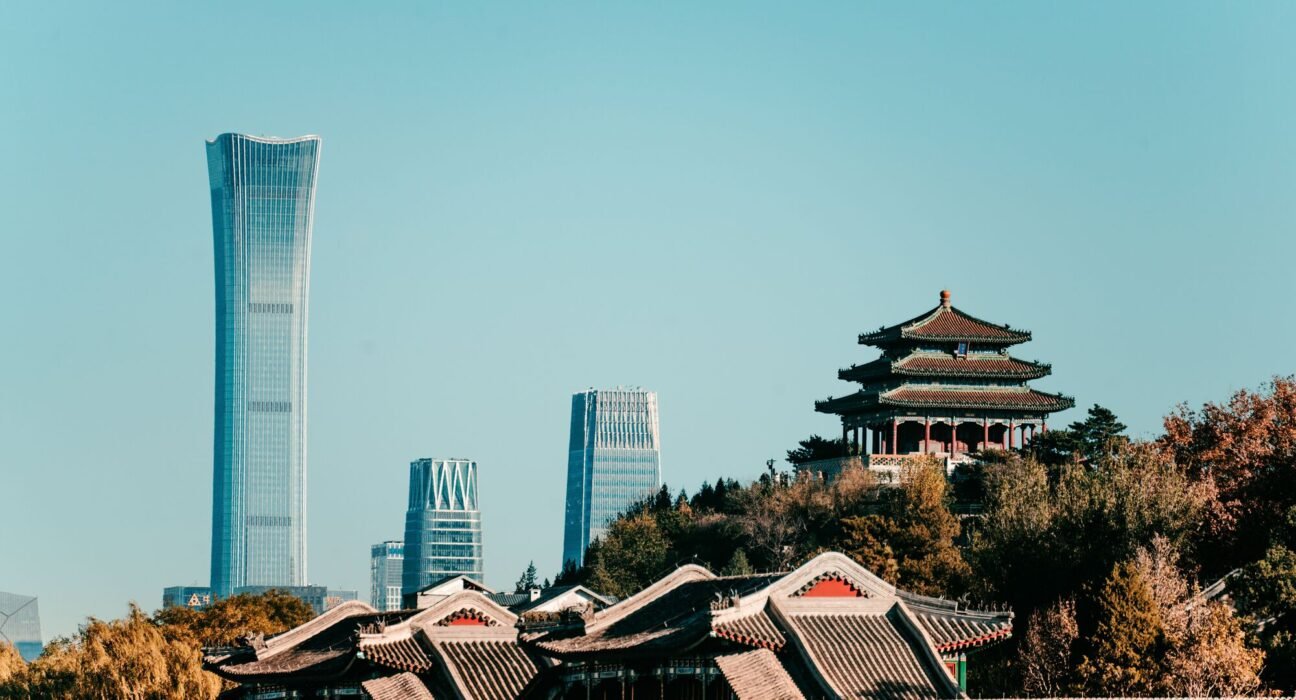
Beijing is one of the few capitals where ancient planning traditions and modern skyline-making coexist so visibly. Courtyard houses, ceremonial axes, temples, and historic districts still shape the city’s identity, while dramatic contemporary landmarks continue to redefine its image on the world stage.
This duality is exactly why the announcement stands out in today’s architecture news cycle. Beijing is not simply preserving iconic places; it is actively testing how heritage can remain relevant within a dynamic metropolis.
Examples often cited in recent conversations around contemporary architecture in Beijing include:
- Beijing Performing Arts Centre by Perkins&Will and Schmidt Hammer Lassen
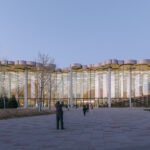
- Beijing City Library by Snøhetta
- Brick Art Museum by Dong Yugan
- Environmental improvement projects such as the Five Dragon Temple intervention by URBANUS
These works reflect a broader design culture that values public experience, material sensitivity, landscape integration, and cultural continuity.
Why luxury audiences should pay attention
For the luxury architecture and luxury home sectors, Beijing’s recognition also highlights an important shift: prestige is no longer defined only by spectacle. Increasingly, true design leadership comes from environments that combine craftsmanship, context, sustainability, and quality of life.
That ethos resonates across luxury home decor and luxury design trends, where buyers and designers alike are seeking:
- Timeless materials over short-lived novelty
- Spaces rooted in local culture
- Natural light, landscape access, and wellness-driven layouts
- Adaptive reuse and heritage-inspired detailing
- Human-centered design with long-term value
What to Expect From Beijing 2029
According to the announcement, Beijing will build a full calendar of exhibitions, conferences, workshops, and cultural programming in the lead-up to 2029, culminating in the UIA World Congress of Architects. The city’s chosen theme, Back to Balance, points to a design agenda centered on reconnecting culture, nature, and people.
That framing makes this more than standard architecture news. It positions Beijing 2029 as a global platform for discussing how the built environment can respond to today’s most urgent urban questions.
Key themes likely to shape the program
- Sustainable urban development – from low-impact building strategies to resilient public infrastructure.
- Heritage preservation – exploring how historic urban fabric can support contemporary life.
- Inclusive design – making cities more accessible, livable, and socially connected.
- Climate resilience – integrating ecology, landscape, and adaptation into urban planning.
- International collaboration – bringing together architects, planners, universities, officials, and cultural institutions.
For professionals in architecture, interiors, and luxury residential design, the event cycle could become a major source of inspiration, especially as leading cities rethink density, identity, and environmental performance.
Beijing in the Context of China’s Design Momentum
This major item of architecture news also arrives at a time when China is expanding its influence across cultural architecture, public institutions, and landscape-scale environmental initiatives.
Shenzhen, for instance, has recently emerged as a powerhouse of contemporary design, with projects such as the Shenzhen Natural History Museum, designed by 3XN, B+H Architects, and Zhubo Design, and MAD’s Shenzhen Bay Culture Square. Elsewhere, MVRDV’s Bihailou Art Village signals continued experimentation with mixed-use cultural development.
At the same time, larger environmental efforts, including reforestation and anti-desertification programs, reveal a growing understanding that architecture cannot be separated from land, ecology, and long-range planning.
Seen in that national context, Beijing’s designation feels both symbolic and strategic. It places the capital at the forefront of a broader conversation about how China’s cities can model new relationships between culture, infrastructure, and sustainability.
What This Means for the Future of Luxury Design
For those watching the premium end of the market, the most compelling lesson in this architecture news story is that luxury is evolving. Grand spaces still matter, but so do authenticity, urban meaning, and environmental intelligence.
The design values likely to gain momentum through Beijing 2029 include:
- Cultural depth as a marker of sophistication
- Architectural storytelling rooted in place and memory
- Refined sustainability integrated seamlessly into form and function
- Public-minded design that improves everyday life, not just elite experience
- Balanced living that prioritizes beauty, wellness, and resilience
These ideas are increasingly influencing luxury homes, bespoke interiors, and high-end hospitality alike. In that sense, Beijing’s recognition is not just about civic architecture; it may also shape the aesthetic and ethical direction of luxury design globally.
Conclusion
As a defining piece of architecture news, Beijing’s appointment as World Capital of Architecture 2029 confirms the city’s growing role as a model for heritage-led innovation. By bringing together preservation, contemporary architecture, and sustainable urban thinking, Beijing is set to host one of the most important global design conversations of the decade.
The takeaway is clear: the future of exceptional architecture—whether civic, cultural, or residential—will belong to places that can balance beauty, memory, and resilience. Beijing 2029 is poised to show the world what that looks like.