Architecture news rarely captures the full emotional range of a city the way Beijing does. In China’s capital, ancient courtyards, monumental civic icons, and high-design urban renewals coexist in a landscape where luxury architecture is defined not only by scale, but by cultural depth, material refinement, and reinvention.
Beijing stands apart as a destination where history is not preserved behind glass—it is actively reinterpreted. For readers drawn to luxury home trends, luxury decor, and world-class design, the city offers a masterclass in how architecture can balance memory, prestige, and modern living.
Architecture News From Beijing: A City Where Old and New Speak to Each Other
As a political and cultural capital, Beijing has long shaped the architectural identity of China. What makes current architecture news from the city especially compelling is the way it refuses a simple contrast between old and new. Instead, Beijing’s most significant projects reveal a layered conversation between imperial planning, socialist-era infrastructure, globalized skyline development, and intimate neighborhood restoration.
This architectural richness is visible at every scale:
- Landmark towers that redefine the skyline with engineering ambition
- Transport megaprojects that merge mobility with sculptural form
- Adaptive reuse districts that turn former industrial land into cultural destinations
- Hutong and courtyard renovations that bring luxury design into historic urban fabric
For luxury architecture enthusiasts, Beijing is not just a city of iconic buildings. It is a city of transitions—where contemporary elegance often emerges through careful engagement with heritage.
Monumental Beijing: Icons of Contemporary Luxury Architecture
CITIC Tower and the New Skyline
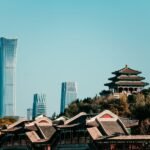
Among the defining images in recent architecture news, CITIC Tower stands as a symbol of Beijing’s global architectural confidence. Its commanding vertical form has become one of the city’s most recognizable modern landmarks, representing the ambition of a capital that is increasingly comfortable expressing power through design.
What elevates such projects within the luxury architecture conversation is not height alone, but the integration of premium materials, precision engineering, and a silhouette that feels both monumental and deliberate. Towers like this signal Beijing’s place within the broader world of elite urban design, where architecture communicates status, identity, and long-term vision.
Daxing International Airport as Design Spectacle
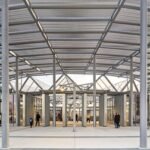
Daxing International Airport is another standout in global architecture news, proving that infrastructure can be both highly functional and visually unforgettable. More than a transport hub, it is an immersive design experience, with expansive interiors, fluid circulation, and a futuristic spatial language that reflects Beijing’s role as an international gateway.
For audiences interested in luxury design, Daxing shows how civic architecture can deliver the same sense of drama and polish often associated with high-end hospitality or flagship cultural institutions.
Luxury Design in Historic Beijing: Courtyards, Hutongs, and Human Scale
If Beijing’s megastructures reveal its outward ambition, its most nuanced stories are found in the hutongs and courtyard houses woven through the old city. This is where architecture news becomes especially relevant to luxury home and luxury home decor audiences.
Thoughtful courtyard renovations demonstrate how contemporary living can be inserted into historic structures without erasing their character. Designers working in these spaces often emphasize:
- Natural light introduced through subtle spatial interventions
- Warm, tactile materials such as wood, stone, and textured plaster
- Minimalist interiors that allow historical proportions to remain legible
- Private outdoor rooms that elevate the experience of urban living
These projects are significant because they redefine luxury. In Beijing, luxury is not always expressed through excess. Sometimes it appears as calm, restraint, craftsmanship, and the privilege of inhabiting a restored piece of urban memory.
Adaptive Reuse and the Rise of Design-Led Districts
Shougang’s Industrial Reinvention
One of the most exciting themes in contemporary architecture news is adaptive reuse, and Beijing’s Shougang site is a prime example. Once an industrial complex, the area has been dramatically transformed into a new urban destination, where former heavy-industry structures now support cultural programming, public space, and future-facing development.
This kind of transformation resonates strongly with luxury design trends because it pairs authenticity with reinvention. Exposed steel, large-format spaces, and industrial textures create an environment that feels distinctive rather than generic. In a global market saturated with polished new-builds, reused architecture offers character that cannot be manufactured.
Baiziwan and Baitasi as Urban Models
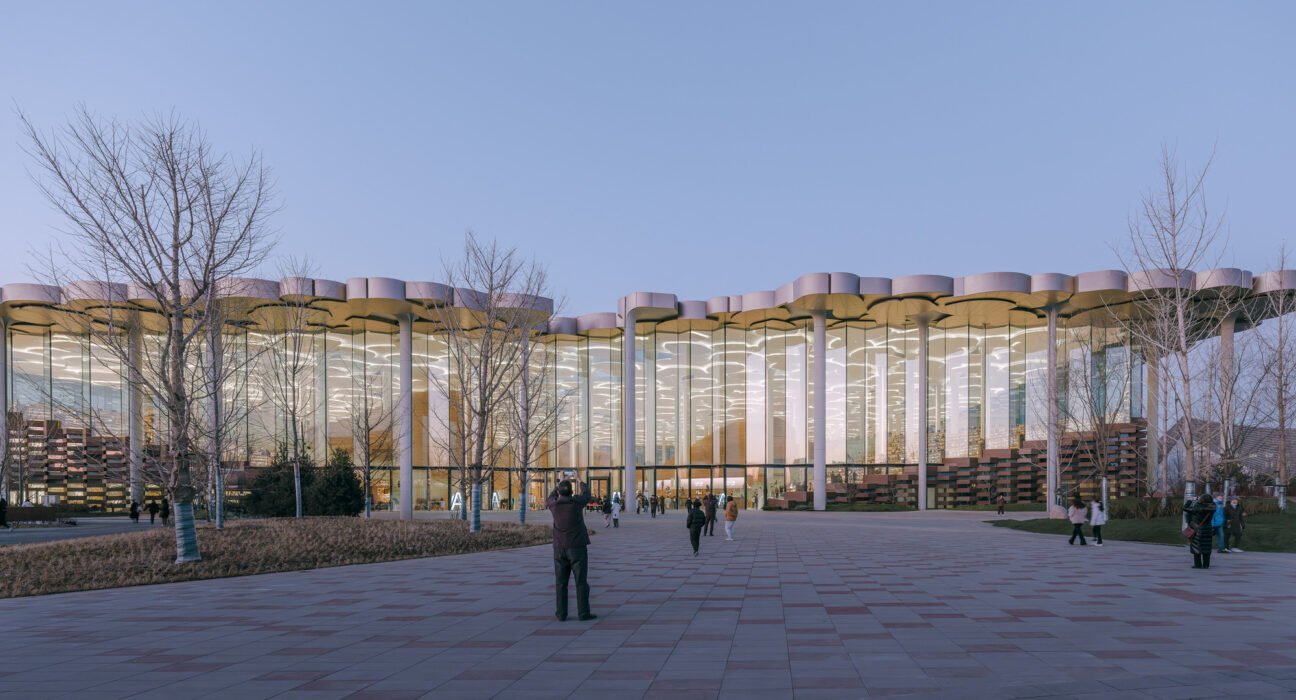
Districts such as Baiziwan and Baitasi further highlight Beijing’s evolving urban design intelligence. Their refinements suggest that the city’s best new work is not limited to headline-making landmarks. It also includes neighborhood-scale interventions that improve public life, upgrade existing buildings, and preserve local identity.
For readers following architecture news, these areas offer a more sophisticated understanding of progress: true modernization is not only about building taller, but also about making cities more livable, connected, and culturally coherent.
What Beijing Teaches Luxury Home and Decor Audiences
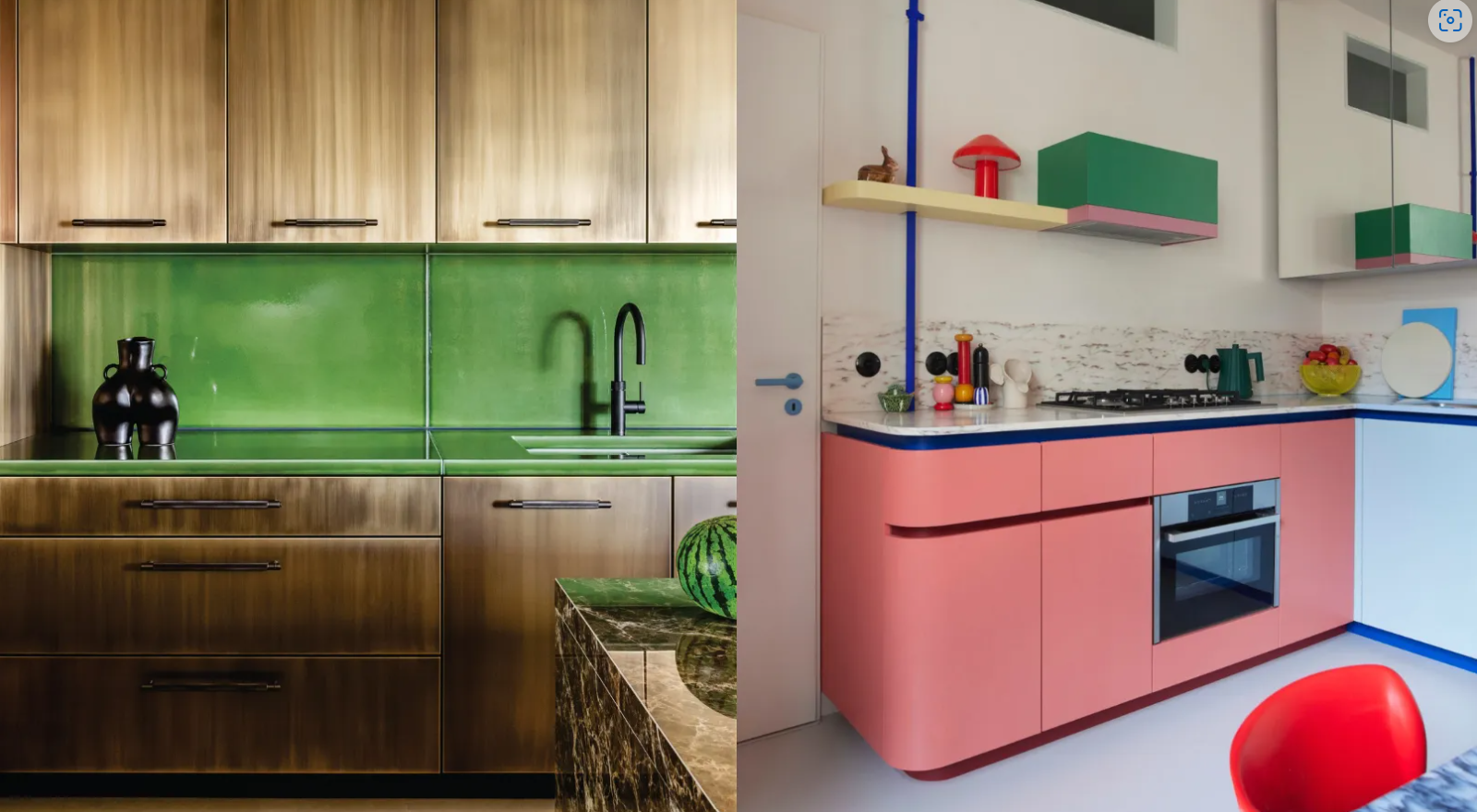
Beyond its civic and urban significance, Beijing offers valuable lessons for luxury architecture and interiors. The city’s most compelling spaces share several ideas that can influence high-end residential design anywhere in the world:
- Heritage adds value
Homes and interiors feel richer when they acknowledge place, history, and craft. - Restraint can feel more luxurious than excess
Balanced proportions, natural materials, and quiet detailing often create a stronger impression than visual overload. - Indoor-outdoor relationships matter
Courtyards, terraces, and framed views remain essential to timeless luxury living. - Adaptive reuse is aspirational
Repurposed spaces increasingly appeal to design-conscious owners who want originality and meaning.
This is why Beijing continues to earn attention in global architecture news: it demonstrates that luxury architecture can be culturally grounded, environmentally intelligent, and emotionally resonant all at once.
Why Beijing Remains Essential in Global Architecture News
Beijing’s architectural landscape is compelling because it captures a rare duality. It is at once ceremonial and intimate, historic and experimental, monumental and deeply human. From CITIC Tower and Daxing International Airport to the renewed hutongs and transformed industrial districts, the city shows that great design does not choose between preservation and progress—it choreographs both.
For anyone tracking architecture news, Beijing is more than a destination of standout buildings. It is a living case study in how luxury architecture, luxury decor sensibilities, and urban design can intersect to create spaces of lasting value. The clearest takeaway is this: the future of exceptional design may belong to cities that know how to reinvent themselves without losing their soul.