Architecture news from Panama is increasingly shaping the wider conversation around luxury living in the tropics. Rather than importing cold-climate building formulas, designers across Panama and Central America are creating homes and hospitality spaces that respond to heat, humidity, sea breezes, and dramatic shifts between wet and dry seasons with elegance and intelligence.
For luxury homeowners, architects, and design enthusiasts, this shift matters. It signals a new standard of high-end design: one that values environmental responsiveness as much as visual impact. In Panama, tropical architecture is not simply about style. It is about making comfort, durability, and beauty work together in a climate where sealed interiors can quickly fail.
Architecture News: Why Tropical Climate Design Demands a Different Approach
In temperate and cold regions, buildings are often designed to retain heat through airtight envelopes, continuous insulation, and tightly sealed windows and walls. That strategy works where winter conditions require protection from freezing temperatures and energy loss. But in tropical Panama, the same logic can create serious problems.
Humidity is one of the biggest concerns. When air cannot move through a building, moisture accumulates. In luxury homes, that can mean mold, material deterioration, poor indoor air quality, and mechanical systems that must work overtime to maintain comfort. Panama’s climate, shaped by coastal exposure, elevation changes, and local topography, creates microclimates that vary from place to place, yet persistent humidity remains a common thread.
That is why the most compelling architecture news in the region focuses on design solutions that welcome airflow instead of fighting it. Open circulation, shaded outdoor rooms, breathable materials, and carefully positioned openings allow buildings to cool naturally while maintaining a refined, luxurious feel.
Luxury Architecture in Panama Is Built Around Airflow
One of the defining characteristics of luxury architecture in Panama is its relationship with moving air. Instead of relying exclusively on mechanical cooling, many contemporary residences and retreats are planned to maximize cross ventilation and passive comfort.
Cross Ventilation as a Design Feature
In well-designed tropical homes, airflow is choreographed. Openings are aligned to catch prevailing breezes, while interior layouts reduce barriers that trap heat. This can include:
- Large operable windows on opposing walls
- Louvered panels that allow ventilation during rain
- Perforated screens that filter sunlight and air
- Double-height spaces that release rising warm air
- Covered terraces that extend living areas outdoors
These strategies are practical, but they also elevate the sensory experience of a home. A luxury residence feels more connected to its surroundings when air, light, and landscape move through the architecture naturally.
Indoor-Outdoor Living as a Luxury Standard
In Panama, indoor-outdoor living is not a trend; it is a climate-driven necessity that has become a hallmark of luxury home design. Expansive verandas, shaded courtyards, breezy pavilions, and gardens integrated into the floor plan make homes feel larger, calmer, and more immersive.
This approach aligns perfectly with the expectations of high-end buyers who want privacy, wellness, and a strong connection to nature. In that sense, tropical design is redefining what exclusivity looks like. It is less about enclosure and more about openness done beautifully.
Materials and Detailing Matter in Humid Climates
Another key theme in architecture news from Panama is material intelligence. Luxury in the tropics depends on selecting finishes and construction systems that can withstand moisture, intense sun, and seasonal downpours without sacrificing sophistication.
Architects often prioritize materials that age gracefully and support ventilation, such as:
- Natural stone with thermal stability
- Hardwoods suited for exterior exposure
- Textured concrete that handles humidity well
- Ceramic or terrazzo surfaces that remain cool underfoot
- Metal roofing systems designed for heat reflection and rain management
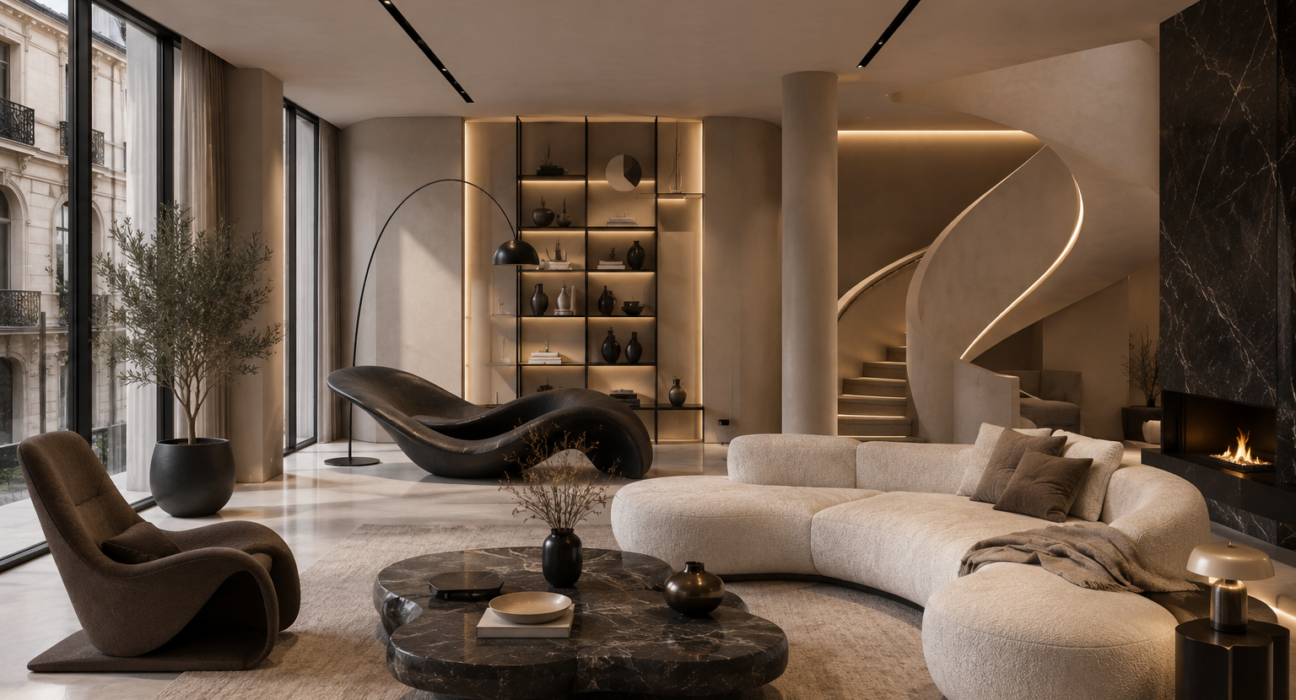
In luxury decor and luxury home decor, this translates into interiors that feel tactile, durable, and climate-aware. Lightweight linens, woven textures, sculptural shading elements, and moisture-resistant finishes all contribute to a polished but livable environment.
How Microclimates Shape Luxury Design Decisions
Panama is not climatically uniform. Coastal zones, hillside sites, forested interiors, and urban districts all present different design challenges. The best luxury design projects do not apply a single tropical formula. They respond to site-specific conditions.
For example, a house near the sea may need to address salt exposure and stronger breezes, while a mountain retreat may focus on rainfall patterns, cooler nights, and mist. Urban homes, meanwhile, may use courtyards, screened facades, and planted buffers to improve airflow and privacy within denser settings.
This sensitivity to place is what makes current architecture news from Panama so important. It shows that true luxury is no longer defined only by premium finishes or dramatic forms. It is defined by how well a building understands where it stands.
The New Luxury Home in Panama Is Healthier and More Resilient
As climate awareness grows, tropical architecture in Panama is becoming a model for healthier and more resilient homes. Passive cooling reduces dependence on air conditioning, while better ventilation supports wellness and preserves materials over time. Deep roof overhangs, rain-responsive detailing, and shaded transitions also improve performance during heavy seasonal weather.
For homeowners, the benefits are clear:
- Greater day-to-day comfort
- Lower risk of mold and trapped moisture
- Reduced energy consumption
- Longer-lasting materials and finishes
- A more authentic connection to the landscape
These are not compromises. In many of today’s most admired homes, they are the very qualities that define prestige.
What This Means for the Future of Luxury Architecture
The latest architecture news suggests that Panama is helping lead a broader design evolution across tropical regions. Architects are proving that climate-responsive planning can produce homes that are visually striking, deeply comfortable, and unmistakably luxurious.
That influence is likely to grow across luxury architecture, hospitality, and residential development. Buyers and developers are increasingly drawn to spaces that do more than look impressive in photographs. They want homes that breathe, endure, and enrich everyday life.
In that sense, Panama offers a compelling blueprint. By embracing ventilation, seasonal rhythms, material honesty, and indoor-outdoor elegance, it is setting a new benchmark for tropical living.
In conclusion, the most exciting architecture news emerging from Panama is not about resisting the climate but designing with it. For anyone interested in luxury homes, luxury decor, and future-focused tropical design, the takeaway is clear: in humid environments, true luxury lies in airflow, resilience, and a seamless relationship with nature.