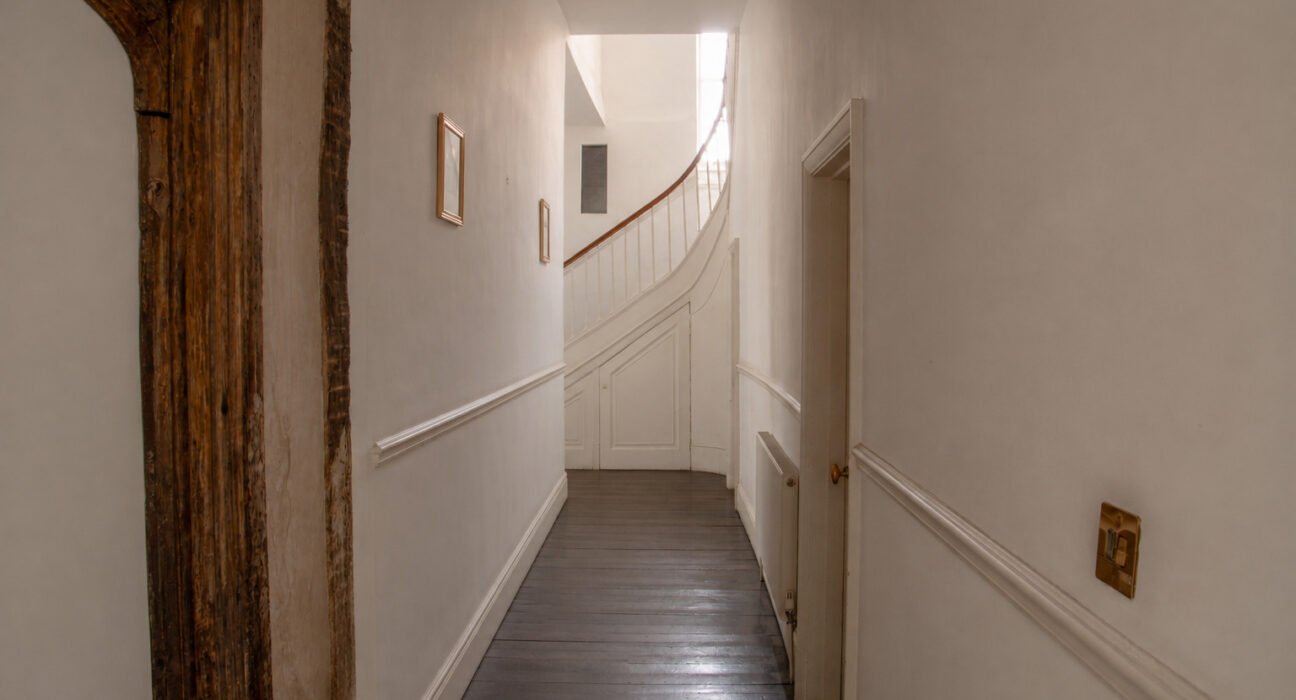
Architecture news rarely lands at the intersection of heritage preservation, adaptive reuse, and contemporary creative industry as convincingly as this latest London proposal. Bromley Hall, a rare Grade II*-listed building in East London, is set to be transformed by Assemble into a new creative and light industrial workspace, signalling a thoughtful new chapter for one of the city’s most historically significant structures.
For readers interested in luxury architecture, luxury design, and elevated urban regeneration, the project is notable not because it turns a landmark into something flashy, but because it demonstrates how restraint, craft, and cultural value can produce a deeply sophisticated result. In a city where historic buildings are often pressured by commercial demands, Bromley Hall offers a more nuanced model for the future.
Architecture News: Why Bromley Hall Matters
This piece of architecture news matters because Bromley Hall is not an ordinary renovation target. A Grade II*-listed designation places it among the UK’s most important heritage assets, meaning any intervention must respect its architectural character, material fabric, and historical significance. That status also raises the stakes: the project is not simply about finding a new tenant, but about ensuring long-term relevance through intelligent reuse.
Located in London, Bromley Hall carries layers of architectural and social history. Rather than treating the building as a frozen artifact, Assemble’s approach appears to frame it as an active part of the city’s present-day creative economy. This balance between conservation and contemporary utility is what makes the development stand out in current architecture news.
A New Vision for Creative and Light Industrial Workspace
The proposed transformation positions Bromley Hall as a home for creative production and light industrial use, a combination increasingly valued in design-forward cities. These hybrid workspaces support makers, fabricators, artists, designers, and small-scale manufacturers who need more than a desk but less than a traditional factory.
From a luxury design perspective, this is significant. The most compelling urban spaces today are not always purely residential or overtly high-end; they are often places where craftsmanship, making, and culture coexist. That sensibility aligns closely with broader movements in luxury architecture and luxury decor, where authenticity, material richness, and artisanal processes are prized.
Key benefits of this type of adaptive reuse include:
- Preserving a historically important structure rather than replacing it
- Creating flexible workspace for creative industries
- Supporting local economic activity and small businesses
- Reducing the environmental cost associated with demolition and new construction
- Strengthening the cultural identity of the surrounding neighborhood
As far as architecture news goes, Bromley Hall reflects a wider trend toward buildings that work harder, socially and spatially, without sacrificing design integrity.
Assemble’s Design Approach and Architectural Significance
Assemble has built a reputation for architecture that is socially engaged, materially sensitive, and deeply rooted in place. That background makes the studio a fitting choice for Bromley Hall, where the challenge is less about spectacle and more about stewardship.
Though the project centers on workspace, the design implications reach beyond commercial functionality. A sensitive intervention in a listed building often involves:
- Repairing and restoring original structural elements
- Introducing new services with minimal visual disruption
- Retaining historic textures and patina
- Improving accessibility and usability for modern occupants
- Allowing contemporary insertions to remain legible but respectful
This is where the story connects naturally to luxury home decor and luxury design. Today’s high-end aesthetic increasingly values spaces with narrative, authenticity, and carefully preserved character. Even in a non-residential setting, Bromley Hall embodies the same principles that define refined interiors: honest materials, layered history, and meticulous detailing.
That is why this development deserves attention beyond standard architecture news coverage. It demonstrates how heritage architecture can remain economically productive while still feeling rare and elevated.
What the Project Says About London’s Design Future
London’s architectural future will depend in part on how it handles its historic building stock. Large-scale redevelopment has its place, but not every urban challenge should be met with demolition or iconic new-build solutions. In many cases, the smartest answer is adaptive reuse, especially when a building already possesses cultural gravity and architectural distinction.
Bromley Hall’s reinvention suggests several broader shifts in the city’s design landscape:
- Heritage is becoming an active asset. Historic buildings can house contemporary industries rather than remain underused monuments.
- Creative production is being revalued. Designers, craftspeople, and makers need spaces embedded in the city, not pushed to its edges.
- Sustainability and conservation are converging. Reusing existing structures supports lower-carbon development strategies.
- Luxury is being redefined. Increasingly, luxury architecture is measured by quality, longevity, and cultural depth rather than excess.
These themes make the project especially relevant for audiences tracking luxury home trends, urban design, and premium architecture. Even though Bromley Hall is not a private residence, its ethos speaks directly to what many discerning clients now seek in homes and interiors: heritage, craftsmanship, and meaningful design.
Why Bromley Hall Resonates Beyond Architecture
The strongest architecture news stories do more than announce a project; they reveal changing values. Bromley Hall resonates because it suggests a future in which old buildings are not obstacles to progress, but foundations for it. The project honors London’s architectural legacy while making room for contemporary work, production, and community use.
For the luxury sector, that message is particularly powerful. In both residential and commercial design, prestige increasingly comes from spaces that feel rooted, rare, and responsibly made. A listed hall adapted for creative and light industrial use may not fit the conventional image of glamour, yet it reflects many of the qualities now defining top-tier design: permanence, tactility, and vision.
In the end, this is the kind of architecture news worth watching closely. Assemble’s transformation of Bromley Hall could become a benchmark for how cities preserve important architecture while shaping a more creative, sustainable, and design-conscious future.