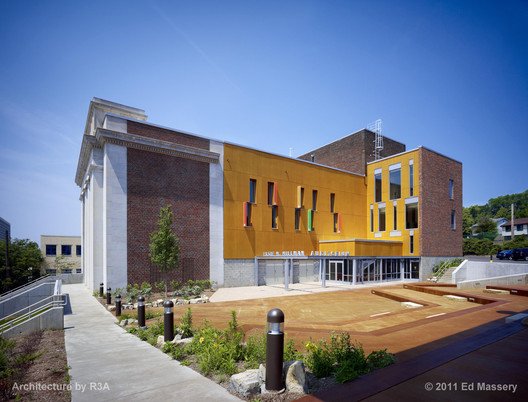
In the world of Architecture news, the smallest studios can sometimes leave the strongest impression. Renaissance 3 Architects is one of those names worth noting, especially for readers interested in luxury architecture, refined refurbishment, and culturally driven design.
While the publicly available profile is concise, it offers a revealing snapshot of an architecture office with published work in cultural architecture and refurbishment. For design enthusiasts, homeowners, and industry observers, that combination signals a practice attuned to heritage, transformation, and the lasting value of thoughtful spaces.
Why Renaissance 3 Architects Stands Out in Architecture news
Renaissance 3 Architects has a published presence tied to two important areas of contemporary practice: cultural architecture and refurbishment. Even with a limited number of showcased projects, this positioning matters. In today’s design landscape, firms that engage with existing structures and culturally significant environments often demonstrate a high level of technical sensitivity and design maturity.
For readers following Architecture news, boutique firms like this can be especially compelling because they often work with a focused design philosophy rather than a high-volume portfolio. That can translate into projects where every material choice, spatial intervention, and preservation decision is made with greater intention.
The Appeal of Cultural Architecture in High-End Design
Cultural architecture is not just about public buildings or institutions. It also reflects a broader design mindset centered on storytelling, context, and identity. In luxury architecture, those qualities are increasingly valuable as clients seek homes and spaces that feel personal, timeless, and rooted in place.
A practice associated with cultural architecture may bring several strengths to premium residential or design-led work:
- Contextual sensitivity that respects the history and character of a site
- Material depth through the use of enduring, expressive finishes
- Narrative design that gives a project emotional resonance
- Spatial sophistication informed by public, artistic, or institutional design thinking
These qualities align closely with what today’s luxury home market values most: authenticity, craftsmanship, and a strong architectural point of view. That is why firms appearing in Architecture news for cultural work often attract attention beyond the public-sector sphere.
Refurbishment as a Luxury Architecture Strategy
Refurbishment has become one of the most exciting areas in Architecture news, particularly for high-end property owners. Rather than starting from scratch, many clients now prefer to transform existing buildings into elevated modern spaces while preserving their original character.
This approach offers several advantages:
- Architectural character: Older structures often include proportions, craftsmanship, and detailing that are difficult to replicate.
- Sustainability: Adaptive reuse can reduce material waste and preserve embodied carbon.
- Uniqueness: Refurbished homes and cultural properties tend to feel more bespoke than standard new-builds.
- Long-term value: Well-executed renovations can enhance prestige and resale appeal.
For luxury home and luxury decor audiences, refurbishment represents more than a practical upgrade. It is an opportunity to merge heritage with modern comfort, creating interiors that feel curated rather than manufactured. A firm with experience in refurbishment, such as Renaissance 3 Architects, sits within a growing movement that prizes reinvention over replacement.
What Luxury Homeowners Can Learn From Firms Like Renaissance 3 Architects
Not every reader of Architecture news is searching for a cultural institution or commercial redevelopment. Many are looking for ideas that can shape a private residence, estate renovation, or premium interior update. The profile of Renaissance 3 Architects suggests a design approach that can inspire luxury homeowners in several ways.
1. Respect the Existing Structure
One of the hallmarks of sophisticated refurbishment is knowing what to preserve. Original masonry, structural elements, ceiling heights, and historic detailing can become the foundation of a truly elegant redesign.
2. Let Architecture Lead the Decor
In the most successful luxury interiors, decor does not compete with the architecture. Instead, furnishings, lighting, and finishes reinforce the character of the space. This principle is central to luxury home decor that feels elevated rather than excessive.
3. Design for Longevity
Trends come and go, but strong architectural moves endure. Natural stone, warm wood, tailored millwork, and balanced proportions often age better than highly stylized features. That timelessness is increasingly highlighted across Architecture news and luxury design coverage.
4. Think Beyond Surface-Level Renovation
True transformation is about more than replacing finishes. It includes circulation, light quality, spatial hierarchy, and the relationship between old and new. Architects experienced in refurbishment tend to approach renovation holistically, which often results in a more coherent and valuable final product.
A Boutique Practice With Industry Relevance
According to its published profile, Renaissance 3 Architects has worked with Massaro Corporation, offering an additional clue about professional collaboration and project execution. In architecture, trusted partnerships between designers and builders are often essential to delivering complex refurbishments and culturally sensitive work at a high standard.
For followers of Architecture news, this kind of detail matters because it points to the ecosystem behind the finished project. Great architecture is rarely the product of vision alone. It also depends on construction expertise, coordination, and an understanding of how to translate design intent into built reality.
Even a brief office profile can reveal the outline of a practice with meaningful strengths: select published work, a focus on cultural architecture, and involvement in refurbishment. For luxury architecture readers, that is enough to warrant attention.
Why This Matters for Luxury Design Trends
Across luxury architecture, luxury decor, and luxury home design, the market is moving toward spaces that feel layered, responsible, and deeply individual. Refurbishment-driven practices are well positioned within this shift because they tend to emphasize:
- Architectural authenticity
- Heritage preservation
- Custom detailing
- High-quality material palettes
- A balance between historical identity and modern living
These are not passing preferences. They reflect a broader redefinition of luxury itself, away from excess and toward meaning, permanence, and design intelligence.
Seen through that lens, Renaissance 3 Architects represents more than a single published project. It reflects the enduring relevance of firms that understand how to adapt, preserve, and elevate the built environment.
Conclusion
For anyone following Architecture news, Renaissance 3 Architects is a boutique practice that highlights two of the most important directions in contemporary design: cultural architecture and thoughtful refurbishment. In the luxury sector, those strengths translate into timeless spaces, richer design narratives, and homes with lasting value. The takeaway is clear: in today’s Architecture news, smaller firms with a focused architectural vision can offer some of the most compelling inspiration of all.