Copenhagen is about to welcome a striking new destination on its harbourfront, and it arrives with all the ingredients of a modern urban icon. In major architecture news, Kengo Kuma & Associates’ KAI Water Culture House is scheduled to open on December 5, 2026, transforming Paper Island into a refined hub for wellness, leisure, and public life.
Designed in collaboration with Cornelius Vöge Atelier for Architecture and Vilhelm Lauritzen Architects, the 5,800-square-metre complex blends luxury design with civic purpose. More than a swimming facility, KAI Water Culture House introduces a layered architectural experience where pools, saunas, cultural spaces, and harbour views come together in one carefully composed waterfront setting.
Architecture News: A New Chapter for Copenhagen’s Waterfront
This piece of architecture news is especially significant because KAI is not an isolated building; it is part of the broader reinvention of Copenhagen’s harbour. Located on Papirøen, or Paper Island, the project extends the Danish capital’s longstanding commitment to human-scale urbanism, public access, and design that strengthens daily life.
The development reflects how luxury architecture can serve the public realm without losing its sense of craft or atmosphere. Rather than creating a sealed-off wellness retreat, the design opens itself to the city and the water, reinforcing Copenhagen’s identity as a place where architecture, recreation, and nature coexist.
For readers tracking luxury home, luxury decor, and luxury design trends, KAI offers another lesson: the most compelling contemporary projects often blur the boundaries between hospitality, civic design, and residential-style comfort.
Kengo Kuma’s Design Vision for KAI Water Culture House
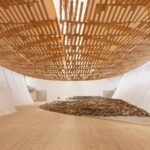
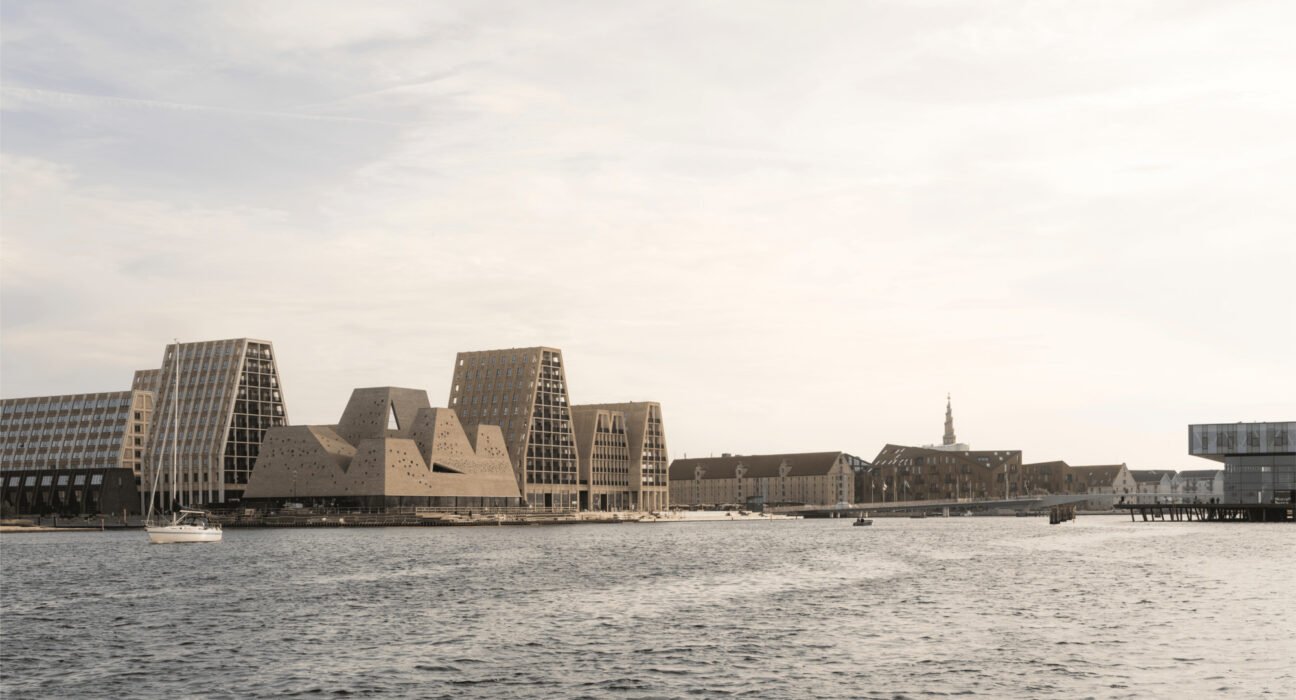
At the heart of this architecture news story is a building defined by five brick towers rising above a transparent glazed base. The composition gives the project a sculptural silhouette while keeping the lower levels visually connected to the harbour. This contrast between solid masonry and light-filled transparency is central to the building’s character.
The towers are not purely formal gestures. Their shapes respond to the pools and spaces below, helping generate different interior volumes and a dynamic roofline. The use of approximately 300,000 handmade bricks adds texture, warmth, and a tactile richness that aligns with the broader language of luxury architecture.
Key design features include:
- Five distinctive brick towers arranged above a glazed podium
- Expansive windows framing views across Copenhagen Harbour
- A first-floor outdoor Valley Pool set dramatically between the towers
- An outdoor onsen pool overlooking the waterfront
- Natural light brought deep into the building through the transparent lower level
The result is a building that feels both monumental and welcoming, rooted in material tradition yet unmistakably contemporary.
A Luxury Wellness Experience Built for Public Life
One reason this architecture news has attracted attention well beyond Denmark is the programme itself. KAI Water Culture House combines wellness facilities with family-friendly recreation and cultural use, creating a destination that feels inclusive while still delivering a premium spatial experience.
The facility includes ten indoor and outdoor pools distributed across multiple levels. On the ground floor, visitors will find a 25-metre fitness pool, a teaching pool, and three children’s play pools. The first floor expands the experience with a therapy pool, hot pool, cold plunge pool, and two outdoor water areas.
Additional wellness elements include:
- Three saunas
- A steam bath
- A heated stone feature for relaxation
- Direct visual and physical connections to the harbour
What makes the project especially compelling from a luxury design perspective is the way these amenities are integrated into architecture rather than simply inserted into it. The outdoor onsen and Valley Pool, in particular, create memorable moments where water, air, masonry, and skyline meet.
Why KAI Matters in Today’s Architecture News Cycle
In current architecture news, projects that successfully combine civic value with elevated design are increasingly rare and influential. KAI stands out because it responds to a public brief shaped by community input while delivering the design sophistication associated with world-class contemporary architecture.
The project began in 2015, when the City of Copenhagen invited residents to propose ideas for a cultural and leisure destination on Paper Island. Out of 160 submissions, many called for a swimming facility that could also support relaxation and community gathering. An international competition followed in 2017, ultimately won by Kengo Kuma & Associates.
This origin story matters. It demonstrates that luxury architecture does not have to be exclusive to feel exceptional. In KAI’s case, high-end materiality, atmospheric spaces, and premium wellness programming are being used in service of a public building.
Collaborative Delivery
The project’s execution also reflects a strong cross-disciplinary partnership:
- Kengo Kuma & Associates led the overall design vision
- Cornelius Vöge Atelier for Architecture collaborated during concept design
- Vilhelm Lauritzen Architects served as executive architects through detailed design and completion
Developed by the Paper Island Water Culture House Foundation in partnership with the City of Copenhagen, and supported by the Nordea Foundation, the building is a major component of the harbour’s continued transformation into a destination for culture and recreation.
What This Means for Luxury Architecture and Design Trends
This architecture news story also signals several broader trends shaping high-end design. First, waterfront architecture continues to evolve beyond residential towers and hotels toward mixed public experiences. Second, wellness has become a defining element of luxury design, influencing everything from spa-inspired interiors to outdoor bathing environments. Third, handmade materials and sensory richness remain central to contemporary luxury decor narratives.
KAI captures all three trends through:
- Material authenticity: handmade brick gives the building depth and permanence.
- Wellness-led planning: thermal bathing, saunas, and open-air pools are central, not secondary.
- Connection to nature: views, daylight, and direct harbour access shape the visitor experience.
There is also a strong lifestyle dimension here. For audiences interested in luxury home decor and luxury home inspiration, KAI reinforces the appeal of serene textures, earthy tones, water-facing spaces, and architecture that prioritizes calm.
Copenhagen’s Design Momentum Continues
KAI arrives at a moment when Copenhagen’s reputation for thoughtful urban design is only growing. The city was again named the world’s most liveable city in the 2026 Global Liveability Index, underscoring how design quality, infrastructure, and public life continue to intersect there in meaningful ways.
Looking ahead, Copenhagen will host the second Copenhagen Architecture Biennial from September 9 to October 15, 2027, under the theme “Elements,” exploring architecture’s relationship with fire, earth, air, and water. In that context, KAI feels especially timely, as water is not merely its setting but its defining architectural medium.
Other developments, including AART’s winning proposal for the underground Royal Treasury extension at Rosenborg Castle, show that the city remains a key reference point for architects and design enthusiasts alike.
Conclusion
As architecture news goes, the opening of KAI Water Culture House is more than a project update; it is a statement about where luxury architecture is heading next. By pairing handcrafted materials, immersive wellness spaces, and strong public purpose, Kengo Kuma’s Copenhagen project sets a high bar for waterfront design in 2026 and beyond.
The clearest takeaway is this: the future of exceptional design lies in spaces that feel both elevated and accessible. KAI Water Culture House proves that the most memorable architecture news often comes from buildings that enrich everyday life while delivering beauty at every scale.