
The so-called medieval “Dark Ages” are often painted as a stagnant era, but the record tells a very different story. For readers interested in ireland travel, Europe’s medieval legacy is not just academic—it shapes castles, monastic sites, scenic routes, and heritage stays that still define some of today’s most memorable journeys.
Far from being a cultural blackout, the early medieval period produced inventions and systems that changed agriculture, architecture, scholarship, navigation, and everyday life. For travelers planning luxury travel ireland itineraries or comparing the best places to visit in ireland, understanding this era adds depth to every stone abbey, fortified manor, and ancient road.
1. The Heavy Plow Transformed Farming
The heavy plow helped farmers work dense northern European soils more efficiently, boosting food production and supporting larger communities. This agricultural shift laid the foundation for market towns, trade growth, and long-term social stability.
2. Horse Collars and Horseshoes Improved Transport
Older harness systems restricted a horse’s breathing and power. The improved horse collar changed that, while horseshoes protected animals on rough terrain. Together, they accelerated farming, transport, and communication across medieval Europe.
3. Watermills Powered Industry
Watermills did far more than grind grain. They were used for sawing wood, fulling cloth, and processing raw materials. That kind of mechanical innovation challenges the lazy myth that this period lacked technical imagination.
4. Medieval Architecture Reached New Heights
Romanesque and Gothic builders developed advanced vaulting, arches, and structural systems that still inspire visitors today. Anyone exploring monastic ruins or manor estates during luxury ireland tours can see how engineering ambition shaped the landscape long before the modern age.
5. Monasteries Preserved and Produced Knowledge
Scriptoria copied religious texts, classical works, legal documents, and scientific observations. Monastic communities were not just preserving learning—they were actively organizing knowledge for future generations.
6. Universities Emerged from Medieval Learning
By the High Middle Ages, centers of formal learning were developing into universities. Their rise institutionalized debate, law, medicine, and philosophy, creating educational models that still influence academia today.
7. Eyeglasses Extended Human Productivity
The invention of spectacles was a practical breakthrough with huge cultural consequences. Scribes, scholars, and craftsmen could continue working and reading longer, making it easier to sustain intellectual and artistic output.
8. Mechanical Clocks Changed Daily Life
Mechanical timekeeping brought new precision to religious observance, trade, and civic organization. It also reflected a growing interest in order, measurement, and technological refinement.
9. Better Shipbuilding Expanded Connections
Medieval ship design steadily improved, supporting trade, exploration, and political exchange. For modern travelers drawn to coastal history, these advances help explain why island cultures and port settlements became so influential.
10. Castles Became Centers of Strategy and Innovation
Castles were more than military symbols. They were hubs of engineering, logistics, administration, and domestic life. That is one reason castle culture remains so compelling in modern tourism, from the top 10 castle stays ireland to conversations about the best castle hotels in the world.
Why This Medieval Legacy Still Matters for Ireland Travel
For anyone researching ireland travel, medieval innovation is not a niche subject—it is embedded in the experience. Ireland’s abbeys, fortified houses, gardens, and old estates help explain why the country appears in discussions about best luxury hotels ireland, best 5 star hotels ireland, and even the best luxury travel bucket list.
How history enriches a modern luxury itinerary
- It adds meaning to heritage stays and manor-house retreats
- It enhances private guides and curated storytelling
- It connects architecture, landscape, and local identity
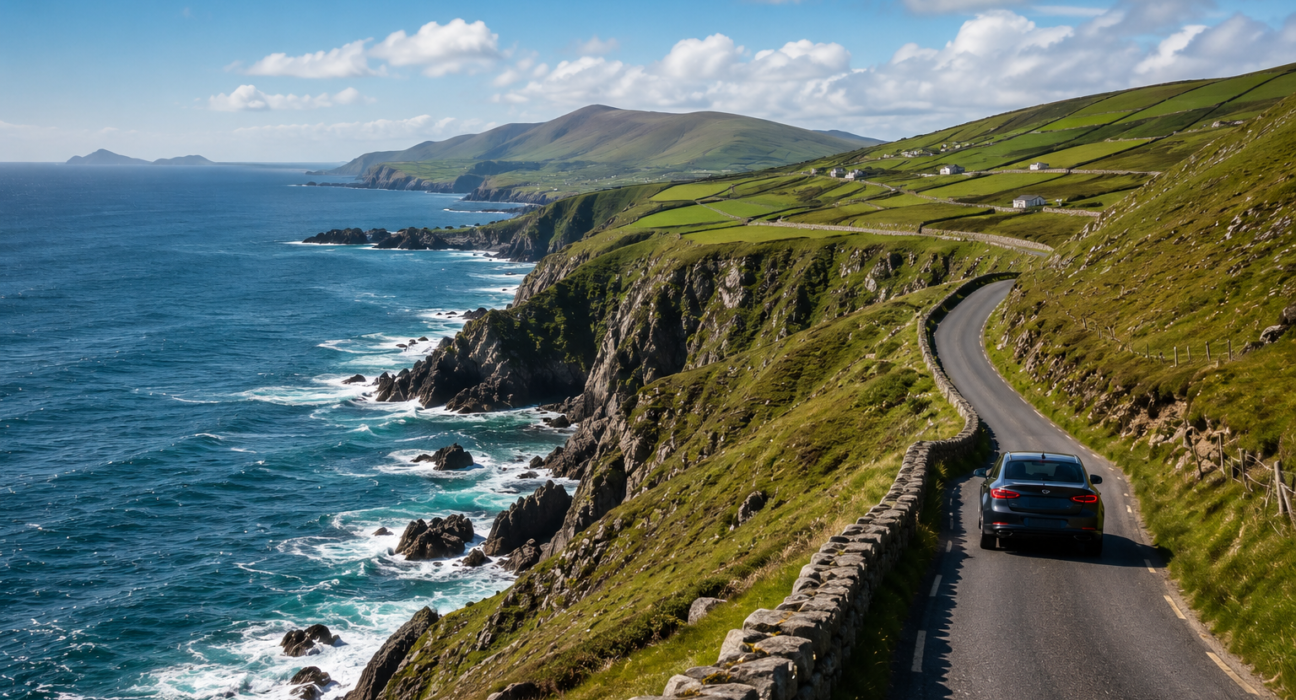
- It complements experiences like the best scenic drives in ireland and best private tours ireland
This perspective also helps travelers move beyond generic checklists. Whether you are comparing top 10 ireland travel experiences, considering ireland luxury vacation packages, or mapping out luxury honeymoons ireland, medieval history offers context that makes the journey richer.
In the end, the “Dark Ages” were not dark at all—they were inventive, adaptive, and deeply formative. And for anyone planning ireland travel, that legacy remains visible in the country’s finest heritage stays, cultural routes, and timeless landscapes.