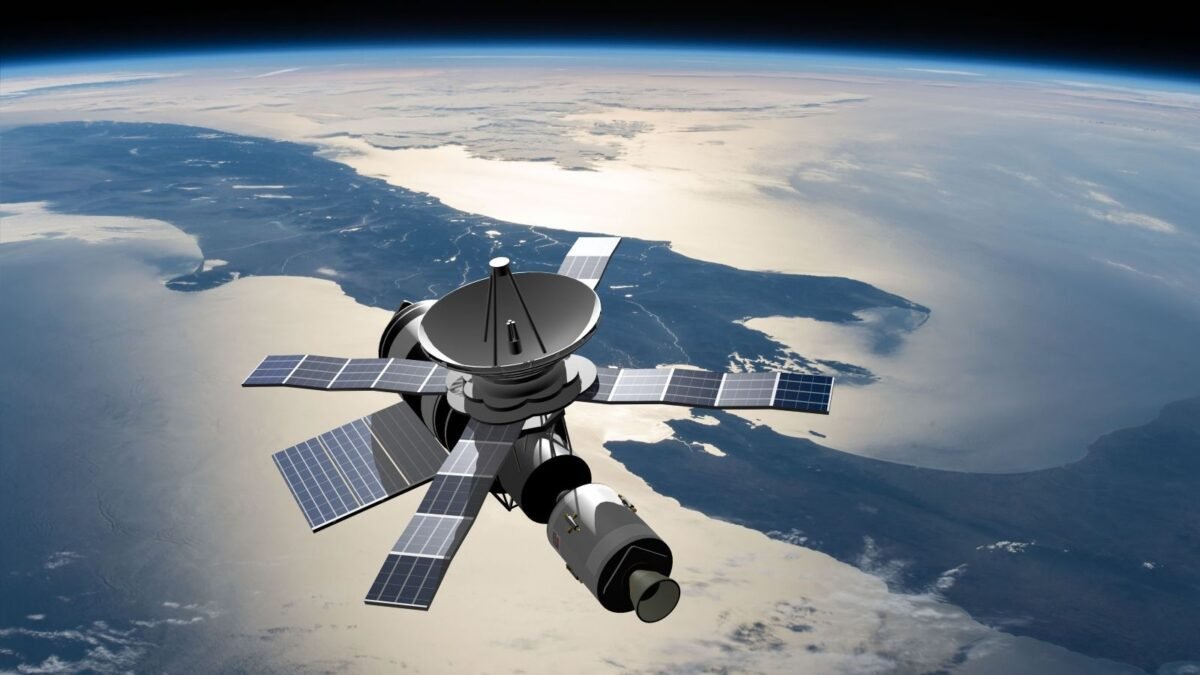
From silent satellites to giant rocket stages, space junk is no longer a distant scientific concern. It is a real-world risk, and for readers in Ireland, the growing debate around space junk reentry highlights how even remote nations are part of a shared global sky.
As more missions launch each year, experts are watching what happens when old hardware falls back through the atmosphere. Most debris burns up, but some objects have reached the ground intact, damaged property, or spread hazardous material across wide areas.
Top lessons from major space junk reentry events
The most dramatic cases show just how unpredictable space junk reentry can be:
- Cosmos 954 scattered radioactive debris across northern Canada in 1978, prompting a major cleanup effort.
- Skylab broke apart over Western Australia in 1979, becoming one of the most famous uncontrolled descents in history.
- Salyut 7 streaked over Argentina in 1991 after solar activity accelerated orbital decay.
- Long March 5B core stages caused alarm in 2020 and 2022 as debris survived over Africa and near Southeast Asia.
- ISS battery debris shocked observers in 2024 when a surviving component punched through a Florida home.
Why Ireland should care about space junk reentry
Although none of these incidents happened in Ireland, the issue matters for Europe as a whole. Irish audiences are increasingly interested in aviation safety, climate monitoring, and global infrastructure, all of which depend on secure access to space. A future space junk reentry event over the Atlantic or European airspace could disrupt flights, trigger emergency tracking, or raise environmental questions.
A growing challenge for modern space policy
Governments and agencies are under pressure to improve controlled deorbit plans, especially for large satellites and rocket bodies. Better tracking, stricter disposal rules, and international cooperation will be essential as orbital traffic increases.
The key takeaway is clear: space junk reentry is no longer rare enough to ignore. For Ireland and the wider European community, staying informed about falling debris, orbital safety, and responsible space operations will only become more important in the years ahead.