
Architecture news rarely feels as promising as a project that blends heritage, civic identity, and contemporary design in one move. Mecanoo’s appointment to transform Zutphen’s Theatre Hanzehof into a new cultural center in the Netherlands signals exactly that: a high-impact redevelopment that could redefine how historic cities invest in culture, community, and architectural quality.
For readers tracking luxury architecture, luxury design, and elevated public interiors, this project stands out as more than a routine renovation. It represents a broader European shift toward adaptive reuse, sustainable cultural development, and beautifully designed shared spaces that enrich everyday life.
Architecture News: Why Zutphen’s Hanzehof Transformation Matters
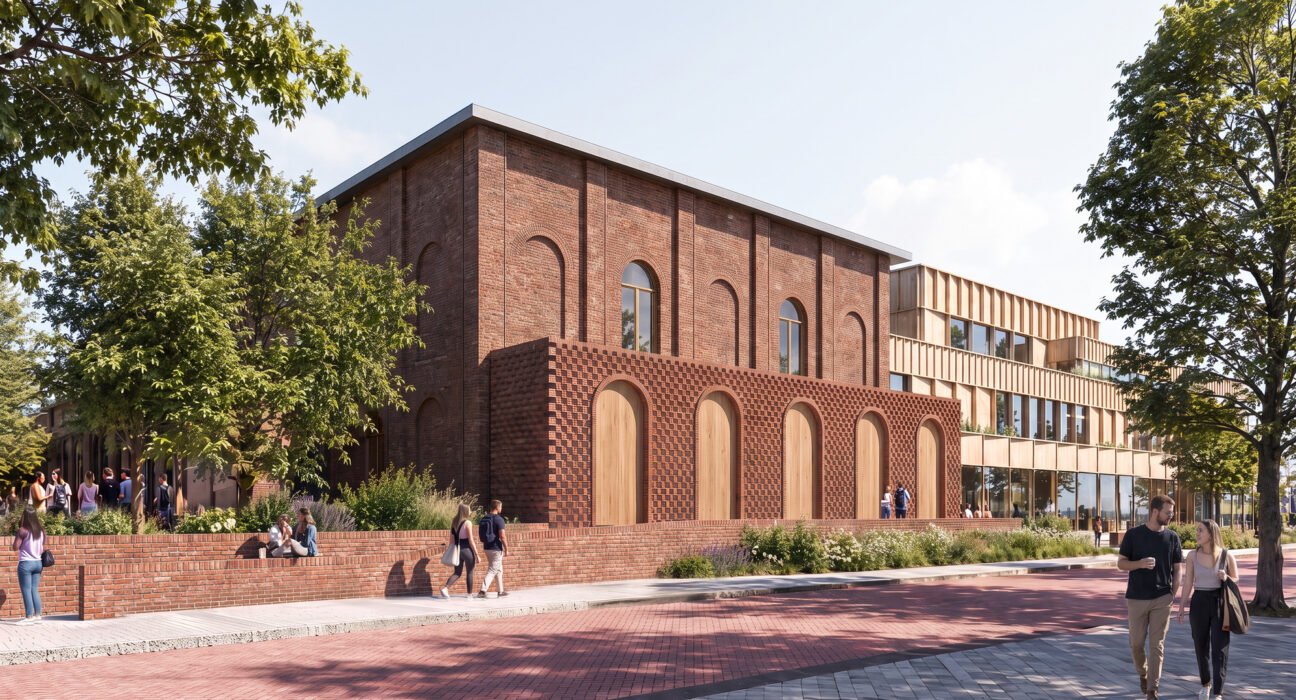
In the latest architecture news, Dutch practice Mecanoo has been selected to reshape Theatre Hanzehof into a new cultural center for Zutphen. While the announcement is concise, the implications are significant. Zutphen is one of the Netherlands’ most historic cities, known for its layered urban fabric, brick architecture, and strong civic character. A cultural hub in this context must do more than function well—it must enhance the city’s identity.
The Hanzehof redevelopment points to a growing design priority across Europe: turning existing cultural buildings into flexible, future-ready destinations. Instead of replacing older venues outright, municipalities and architects are increasingly choosing transformation over demolition. That approach protects embodied carbon, preserves memory, and often results in richer, more nuanced architecture.
For the luxury architecture audience, this kind of project is especially compelling because it applies high design thinking to public life. The result can be every bit as refined as a private residence or boutique hospitality space, while serving a wider community.
What Mecanoo Brings to the Project
Mecanoo is widely recognized for combining contextual sensitivity with bold, human-centered design. In recent architecture news, the firm has frequently been associated with civic, cultural, and institutional projects that prioritize experience as much as form. That makes the studio a natural fit for a venue like Hanzehof.
A successful cultural center today must address multiple needs at once:
- Performance and acoustic quality
- Welcoming public circulation
- Flexible event programming
- Strong indoor-outdoor connections
- Sustainable building upgrades
- A visual identity that feels both local and contemporary
Mecanoo’s work often balances these demands through warm materials, intelligent spatial planning, and a civic-minded design language. In a city like Zutphen, the challenge will likely be to create a destination that feels newly relevant without losing its connection to place.
A Cultural Center, Not Just a Theatre
One of the most important aspects of this architecture news story is the shift in terminology. The move from theatre to cultural center suggests a broader public role. Rather than serving as a single-purpose venue, the renewed Hanzehof may evolve into a multifunctional environment for performances, exhibitions, community gatherings, educational events, and informal social use.
This is a crucial distinction in contemporary architecture. Today’s best cultural buildings are designed to remain active throughout the day and evening, attracting diverse users rather than only ticket holders. That creates a more resilient institution and a more vibrant urban anchor.
Design Trends Behind the Hanzehof Redevelopment
This project also reflects several major themes shaping current architecture news and luxury design conversations.
1. Adaptive Reuse as a Premium Design Strategy
Adaptive reuse is no longer seen as a compromise. In many cases, it is the most sophisticated design choice available. Transforming an existing structure allows architects to work with history, material memory, and urban continuity. When handled well, the contrast between old and new can create interiors and exteriors of exceptional richness.
For followers of luxury home decor and luxury interiors, the same principle applies at a domestic scale: layered spaces often feel more authentic, tactile, and enduring than environments built from a blank slate.
2. Civic Spaces with Hospitality-Level Comfort
Modern cultural architecture increasingly borrows cues from hospitality design. Visitors expect intuitive layouts, comfortable lounges, soft lighting, natural materials, and elegant transitional spaces. This trend elevates public buildings from purely functional venues into immersive experiences.
If Mecanoo brings this approach to Hanzehof, the project could deliver:
- A more inviting arrival sequence
- Interiors that encourage lingering before and after events
- Refined material palettes that balance warmth and durability
- Social spaces that feel curated rather than institutional
3. Sustainability Through Transformation
Another reason this announcement deserves attention in architecture news is its likely environmental value. Reworking an existing cultural building can significantly reduce the carbon impact associated with new construction. Sustainable upgrades may include better insulation, efficient systems, daylight optimization, and more adaptable spatial planning.
In the luxury architecture world, sustainability is increasingly linked with long-term quality. Buildings designed to last, evolve, and remain beloved are often the most responsible investments.
Why This Project Resonates Beyond the Netherlands
Although local in setting, this architecture news story has wider relevance. Cities around the world are rethinking how cultural institutions operate after years of changing audience habits, economic pressures, and environmental concerns. The future belongs to venues that are open, flexible, beautiful, and deeply integrated into urban life.
Zutphen offers an ideal setting for that conversation. Its historic character creates a meaningful backdrop for architectural transformation, while Mecanoo’s appointment signals a commitment to design excellence. The project has the potential to become a model for how smaller cities can deliver ambitious, high-quality cultural infrastructure without abandoning context or character.
For professionals and enthusiasts in luxury design, the lesson is clear: premium architecture is not defined only by private exclusivity. It is equally expressed through public places designed with generosity, craftsmanship, and a strong sense of atmosphere.
What to Watch as the Project Develops
As more details emerge, several questions will shape how this project is received in future architecture news coverage:
- How will the design respond to Zutphen’s historic urban identity?
- Will the renovation preserve recognizable elements of the original Hanzehof?
- How flexible will the new program be for community and cultural use?
- What sustainable strategies will define the transformation?
- How will the interiors balance performance requirements with contemporary comfort?
These elements will determine whether the new cultural center becomes simply updated—or truly transformative.
In the end, this architecture news moment is about more than one building. Mecanoo’s transformation of Theatre Hanzehof represents a larger design movement toward adaptive reuse, civic elegance, and experience-driven cultural spaces. If executed thoughtfully, the project could give Zutphen a new landmark that honors its past while creating a refined, welcoming future for residents and visitors alike.
For anyone following architecture news, luxury architecture, and the evolution of meaningful public design, Hanzehof is a project worth watching closely.