
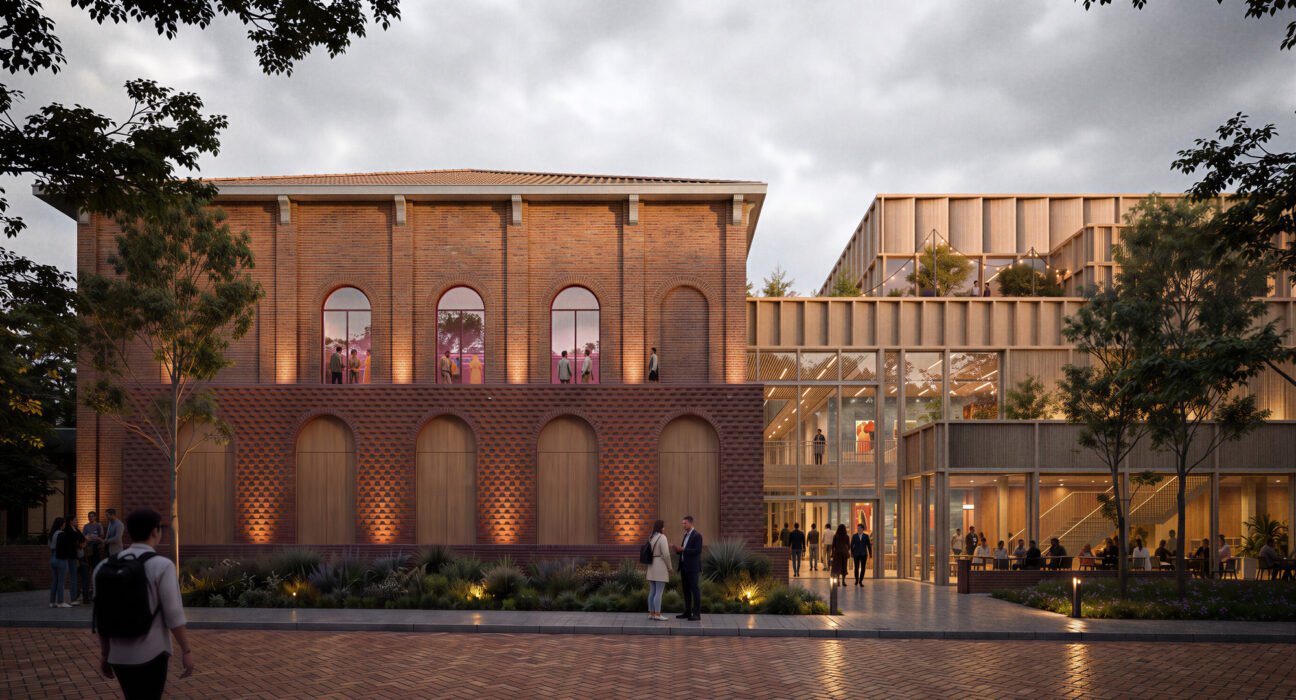
Architecture news rarely feels as civic, elegant, and forward-looking as the latest update from the Netherlands: Mecanoo has been appointed to transform Zutphen’s Theatre Hanzehof into a new cultural center. The project signals more than a renovation—it represents a reimagining of how heritage, performance, and contemporary design can meet in one sophisticated destination.
For readers interested in luxury architecture, luxury design, and high-end cultural spaces, this development is especially compelling. Mecanoo’s appointment places one of the Netherlands’ most respected architecture firms at the center of a project that could redefine Zutphen’s cultural identity while elevating the experience of theater, gathering, and public life.
Architecture News: Why the Hanzehof Transformation Matters
The announcement that Mecanoo will lead the renewal of Theatre Hanzehof positions the project as a major moment in architecture news across Europe. Cultural buildings are increasingly expected to do more than host performances. Today, they must function as flexible, welcoming hubs that support community engagement, creative exchange, and urban vitality.
In Zutphen, the vision for Hanzehof appears to align with that broader shift. Rather than treating the theater as a single-purpose venue, the transformation into a cultural center suggests a more layered destination—one that can bring together performance, events, public programming, and everyday civic use under one architectural identity.
This is precisely the kind of project that resonates with contemporary luxury design values:
- Timeless architecture rooted in place
- Enhanced user experience through thoughtful spatial planning
- Cultural prestige combined with public accessibility
- Design-led renewal that strengthens the city around it
Mecanoo’s Design Reputation and Cultural Expertise
Mecanoo is widely known for architecture that balances clarity, context, and human-centered design. In recent architecture news, the firm has consistently stood out for projects that combine strong civic presence with warmth and usability. That makes the practice a natural fit for a cultural center transformation of this scale and sensitivity.
What distinguishes Mecanoo is its ability to work across several layers at once. The firm often approaches public architecture not just as an object, but as an experience—one shaped by movement, atmosphere, materiality, and urban connection. For a theater such as Hanzehof, this approach could prove essential.
What Mecanoo Could Bring to Hanzehof
While detailed design information may emerge over time, Mecanoo’s body of work suggests several likely priorities:
- Improved public flow between entrances, foyers, auditoriums, and shared spaces
- Stronger visual identity that gives the center a renewed architectural presence
- Flexible interiors designed for multiple cultural uses
- Material sophistication that reflects both durability and elegance
- Urban integration to better connect the building with Zutphen’s civic fabric
For luxury-minded audiences, these elements matter. High-quality cultural architecture increasingly mirrors the standards seen in premium residential and hospitality design: seamless circulation, elevated finishes, inviting light, and carefully choreographed transitions between public and intimate space.
A New Cultural Center With Luxury Design Appeal
This story belongs in architecture news not only because of Mecanoo’s appointment, but because it reflects a wider movement in design: cultural venues are becoming experiential landmarks. They are no longer simply functional institutions. They are environments that shape emotion, memory, and identity.
The Hanzehof transformation has clear relevance to luxury architecture and luxury home decor enthusiasts because many of the same design principles apply across scales. A beautifully designed cultural center, like a refined private residence, depends on balance—between openness and enclosure, drama and restraint, heritage and innovation.
Design Qualities Likely to Define the Project
- Architectural coherence: a unified concept tying old and new together
- Textural richness: materials that add warmth, tactility, and visual depth
- Light as a design tool: natural and artificial illumination used to create mood
- Comfort-driven elegance: spaces that feel premium without becoming exclusionary
- Cultural permanence: a design language meant to endure beyond trends
These qualities often distinguish ordinary renovations from transformative ones. If Mecanoo succeeds in combining civic openness with high design value, Hanzehof could become a benchmark for future adaptive cultural projects in the Netherlands.
What This Means for Zutphen and Dutch Cultural Architecture
Another reason this project stands out in architecture news is its likely impact on Zutphen itself. When a theater evolves into a broader cultural center, the building can become an anchor for social and economic activity. It can attract visitors, support local arts ecosystems, and encourage renewed investment in surrounding public space.
For historic Dutch cities, this model is especially powerful. Sensitive architectural renewal allows municipalities to preserve identity while accommodating contemporary expectations. Instead of replacing legacy institutions, designers can reinterpret them—giving existing buildings fresh relevance through spatial innovation.
The Netherlands has long been associated with progressive architecture, adaptive reuse, and public-minded design. Mecanoo’s involvement continues that tradition. In this sense, the Hanzehof transformation is not just local news; it is part of a national design conversation about how culture is housed, shared, and celebrated.
Why Cultural Centers Matter More Than Ever
In today’s urban landscape, successful cultural centers often serve multiple roles:
- Performance venue
- Community gathering place
- Educational platform
- Architectural landmark
- Driver of city-center vitality
That multifunctional role is exactly why projects like this attract attention in architecture news. They reveal how architecture can shape not only buildings, but also civic life.
The Luxury Architecture Perspective
From a luxury architecture standpoint, the most exciting aspect of the Hanzehof project is the opportunity to create a destination that feels both prestigious and inclusive. True luxury in design is no longer defined only by rarity or ornament. It is increasingly expressed through craftsmanship, atmosphere, sustainability, and a deep understanding of how people inhabit space.
If approached with care, the new cultural center could embody a quiet, contemporary luxury—one rooted in proportion, detail, and experience rather than excess. That sensibility aligns perfectly with current trends in luxury home, luxury decor, and premium public interiors, where authenticity and refinement now matter more than spectacle alone.
As more readers follow architecture news for inspiration beyond the residential market, projects like Hanzehof offer valuable lessons. They show how public architecture can deliver intimacy, richness, and beauty at a civic scale.
Conclusion
Mecanoo’s appointment to transform Theatre Hanzehof into a new cultural center is the kind of architecture news that deserves close attention. It brings together heritage, urban renewal, and design excellence in a way that speaks to both cultural ambition and everyday public use.
For Zutphen, the project could create a renewed landmark. For the wider design world, it offers a compelling example of how architecture can elevate civic life through thoughtful transformation. If executed with the sophistication Mecanoo is known for, Hanzehof may become a defining model for the next generation of European cultural spaces.