

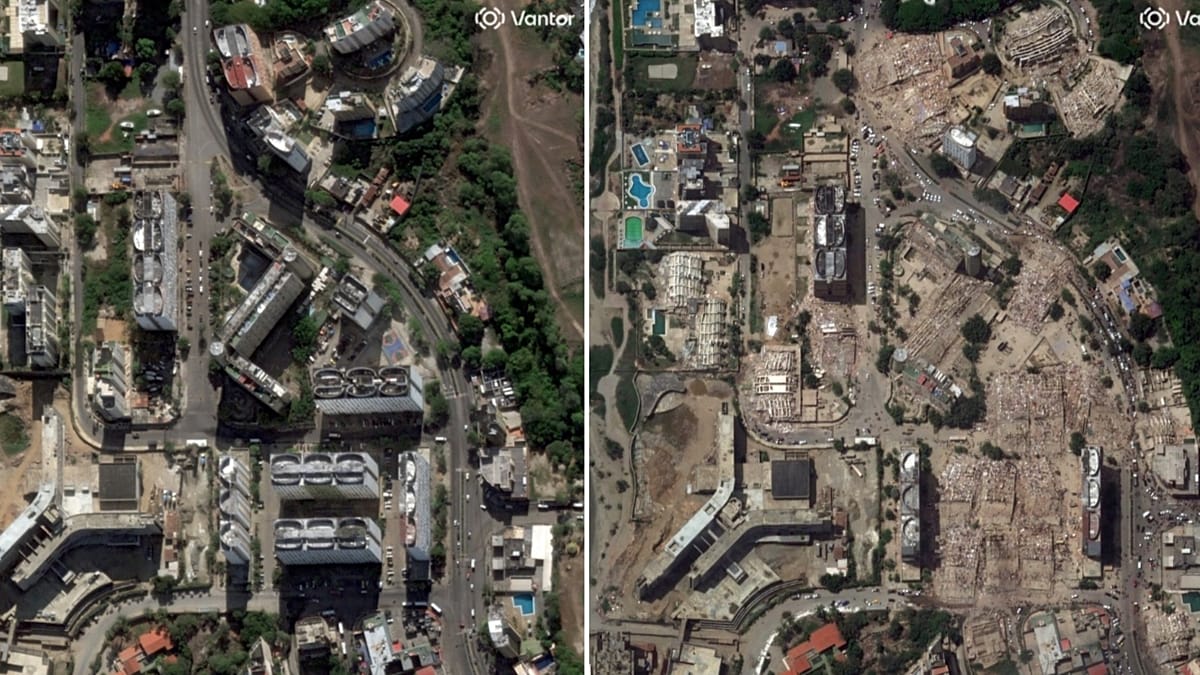
When an earthquake strikes, the first hours are everything. AI earthquake damage mapping is changing that critical window by turning satellite imagery, radar analysis and machine learning into near real-time guidance for rescue teams—an evolution with major implications not only for humanitarian response, but also for luxury architecture, luxury design and high-end interiors planning in risk-prone regions.
In the wake of the twin earthquakes in Venezuela, agencies including NASA, Microsoft, the European Union and international humanitarian organisations have shown how a digital emergency network can rapidly estimate building damage at scale. For architects, developers and design leaders, the story is bigger than disaster tech: it signals a future where resilience, material intelligence and data-driven planning become central to premium built environments.
Why AI Earthquake Damage Mapping Matters Beyond Emergency Response
AI earthquake damage mapping uses satellite imagery, radar scans and computer vision models to identify where buildings and land surfaces may have changed after a seismic event. In Venezuela, this approach helped experts estimate that tens of thousands of buildings may have been damaged or destroyed, giving emergency teams a faster way to prioritise search areas.
For the luxury property sector, this technology matters because high-value buildings demand more than aesthetic excellence. They require:
- Advanced site analysis before construction
- Stronger seismic resilience strategies
- Smarter post-event building assessments
- Better coordination between owners, insurers and restoration teams
As climate volatility and geophysical risk shape global real estate decisions, AI earthquake damage mapping could become a powerful planning layer for premium homes, branded residences, hospitality assets and landmark commercial projects.
How NASA, Microsoft and the EU Built a Faster Damage Picture
NASA’s radar-based disaster analysis
NASA activated its disaster response capabilities alongside researchers at Oregon State University to compare radar images taken before and after the quake. This method can detect abrupt shifts in ground conditions and structural forms, helping analysts flag areas where severe damage is likely.
The value of this system lies in speed. Instead of waiting for exhaustive street-level surveys, emergency planners receive an early probability map that points them toward the hardest-hit zones.
Copernicus and Sentinel-1 satellite imagery
The European Copernicus programme, supported by the EU and the European Space Agency, provided the high-resolution Sentinel-1 radar imagery behind the analysis. These satellites can measure subtle ground movements and detect changes in building shape, even when access on the ground is limited.
That kind of geospatial precision is increasingly relevant to architecture and design professionals working on coastal villas, mountain estates, urban towers and remote luxury retreats. Detailed terrain intelligence can inform:
- Foundation strategy
- Structural reinforcement planning
- Landscape stability analysis
- Long-term asset risk management
Microsoft’s computer vision models
Microsoft’s AI for Good lab added another layer through computer vision tools that can rapidly scan thousands of satellite images and classify buildings by likely damage severity. These models do not replace engineers or rescue inspectors, but they sharply improve triage.
That same principle can extend into property technology. In the future, AI earthquake damage mapping may support luxury developers and estate managers by offering rapid portfolio-level assessments after a seismic event, helping them decide which residences, hotels or cultural properties need immediate structural review.
What This Means for Luxury Architecture and Luxury Interiors
The rise of AI earthquake damage mapping reinforces a growing truth in high-end design: beauty and resilience are no longer separate conversations. The most forward-looking luxury architecture now integrates safety, adaptability and restoration planning into the design brief from the start.
Designing for resilience without compromising elegance
In earthquake-prone regions, premium architecture can balance refined aesthetics with robust performance through:
- Flexible structural systems that absorb movement more effectively
- Engineered materials chosen for both strength and finish quality
- Modular interior elements that can be repaired or replaced efficiently
- Custom joinery anchoring to reduce interior hazards during shaking
- Smart home monitoring for post-event diagnostics
For luxury interiors, resilience may influence everything from stone slab detailing and suspended lighting systems to bespoke shelving, glazing specifications and art installation methods.
Faster restoration for high-value properties
After a disaster, owners of exceptional homes and hospitality spaces need clarity quickly. AI earthquake damage mapping can help insurers, engineers and property managers identify which zones likely suffered the heaviest impact, reducing delays in dispatching assessment teams.
That speed matters especially for interiors containing rare finishes, collectible furniture, custom millwork or museum-grade pieces. The sooner professionals can access credible damage intelligence, the better the chances of protecting valuable assets from secondary loss caused by exposure, moisture or delayed intervention.
The Limits of AI—and Why Human Expertise Still Leads
Even the most sophisticated AI earthquake damage mapping tools produce estimates, not final verdicts. Satellite-based analysis cannot fully understand interior collapse conditions, hidden structural failures or the lived realities on the ground. It is a decision-support tool, not a substitute for field inspection.
That distinction is essential for architecture and design audiences. Data can guide action, but expert judgement remains indispensable across:
- Structural engineering reviews
- Interior restoration decisions
- Material salvage assessments
- Code compliance checks
- Historic preservation planning
The strongest future model is hybrid: AI for rapid visibility, human experts for verification and design-led recovery.
A New Standard for Data-Driven, Resilient Luxury Design
The Venezuela response shows how connected ecosystems—space agencies, AI labs, satellite programmes and humanitarian data platforms—can compress the timeline between disaster and action. For the world of luxury architecture, luxury design and luxury interiors, the lesson is clear: resilience intelligence is becoming part of premium value.
As more projects embrace site analytics, risk modelling and smart diagnostics, AI earthquake damage mapping will likely move from emergency response into mainstream property strategy. The clearest takeaway is simple: the future of exceptional design is not just exquisite—it is informed, responsive and prepared.