

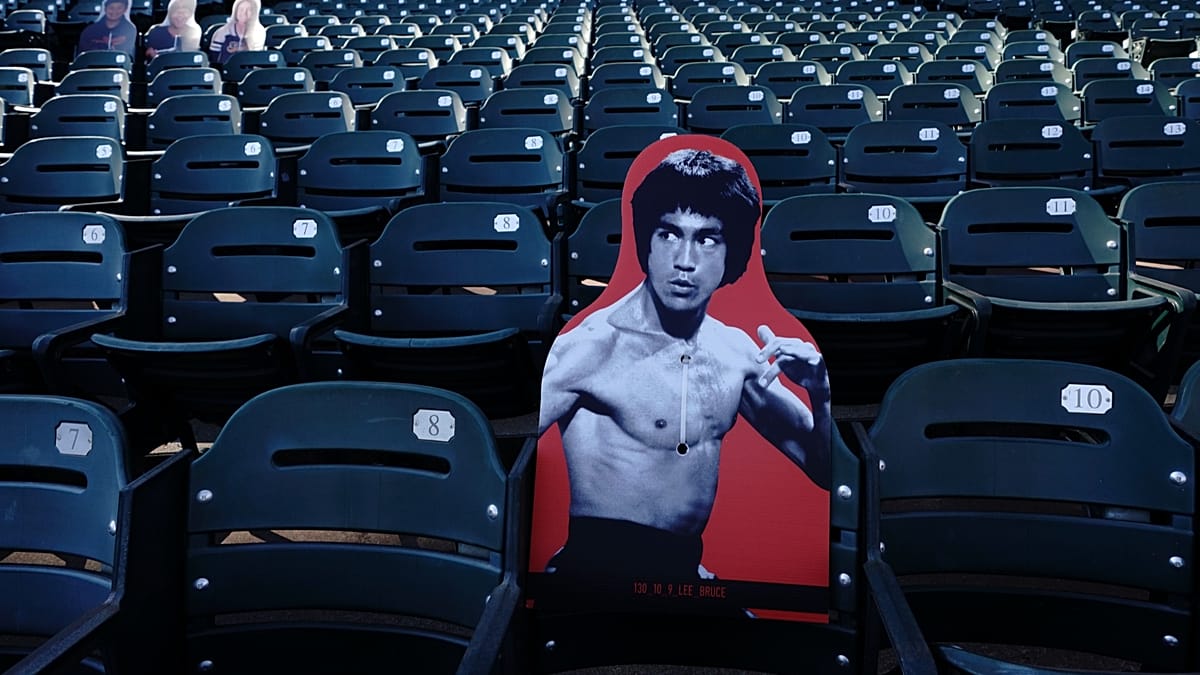
California’s decision to establish Bruce Lee Day is more than a symbolic tribute. It highlights how one of the state’s most influential cultural figures continues to shape conversations around identity, aesthetics, discipline and cross-cultural creativity—values that also resonate deeply in luxury architecture, luxury design and luxury interiors.
Signed into law by Governor Gavin Newsom, the annual observance will take place on 17 May, making Bruce Lee the first Chinese American in California history to receive a namesake state day. While the headline centers on heritage and representation, the wider story is about legacy: how a single individual can transform not only film and martial arts, but also the visual language of modern culture.
Why Bruce Lee Day matters in California
The creation of Bruce Lee Day recognizes a life that was inseparable from California’s own multicultural evolution. Born in San Francisco in 1940 to Chinese parents, Lee later returned to the United States in 1959 and built part of his life and career on the West Coast.
State leaders and advocates have framed the new commemorative day as an overdue acknowledgment of Lee’s impact. At a time when Asian Americans were frequently stereotyped or excluded from mainstream screens, Bruce Lee projected strength, intelligence and self-possession. His work gave many viewers a new image of dignity and self-belief.
Planned observances may include:
- Cultural exhibitions across California
- Public community events
- Educational programming in classrooms
- Reflections on Asian American representation and history
These activities make Bruce Lee Day not only a celebration of a star, but also a platform for cultural education and intergenerational dialogue.
Bruce Lee’s legacy beyond cinema
Bruce Lee is often remembered for martial arts films and for his role as Kato in The Green Hornet. Yet his legacy extends well beyond entertainment. His philosophy of precision, restraint, flow and self-mastery has influenced fields as varied as sports, fashion, art and wellness.
That enduring appeal is one reason his image remains so relevant decades after his death in 1973. In Hollywood, Lee faced unequal pay and pressure to accept racist stereotypes, realities that revealed the barriers confronting Asian performers in mid-century America. Rather than remain boxed in, he returned to Hong Kong and became an international film phenomenon through titles such as The Big Boss and Fist of Fury.
His influence continues through:
- Global martial arts culture
- Screen representation for Asian and Asian American performers
- Personal development philosophies centered on discipline and adaptability
- Contemporary storytelling, including projects inspired by his original creative work
This is what gives Bruce Lee Day lasting weight: it honors a figure whose relevance keeps expanding rather than fading.
What Bruce Lee Day means for luxury design and interiors
At first glance, Bruce Lee Day may seem far removed from luxury interiors or high-end residential design. But the connection becomes clear when you consider the principles Bruce Lee embodied: clarity, intentionality, balance, movement and harmony between form and function.
These are also defining ideas in elevated contemporary spaces. Across luxury architecture and interior design, there is growing interest in environments that feel calm yet powerful, minimal yet expressive. Lee’s philosophy—especially his famous emphasis on adaptability and essentialism—mirrors many of today’s most sought-after design values.
1. Minimalism with purpose
Luxury interiors increasingly favor edited spaces over visual excess. Clean lines, natural materials and restrained palettes create rooms that feel composed rather than cluttered. That approach aligns with Lee’s disciplined mindset: eliminate what is unnecessary and sharpen what remains.
2. East-meets-West aesthetics
Bruce Lee served as a bridge between cultures, and that same spirit appears in premium design. Think serene spatial planning influenced by Asian traditions paired with California modernism, artisan stone, warm woods, sculptural lighting and carefully framed open space.
3. Movement in architecture
One of Lee’s defining traits was fluidity. In architecture, that translates into homes designed around flow—seamless transitions between indoor and outdoor living, unobstructed sight lines and layouts that support both energy and tranquility.
4. Wellness-centered living
Today’s luxury homeowners want spaces that support physical and mental wellbeing. Meditation rooms, private training studios, spa bathrooms and contemplative gardens all reflect a lifestyle rooted in focus and inner balance—values strongly associated with Bruce Lee’s philosophy.
Bruce Lee as a California icon of cultural sophistication
California has long presented itself as a place where innovation, diversity and reinvention meet. Bruce Lee Day reinforces that identity. Lee’s life story captures several core California ideals: ambition, multicultural exchange, creativity under pressure and the ability to redefine an industry on one’s own terms.
For the luxury sector, that matters because high-end design is no longer just about opulence. It is increasingly about meaning, narrative and cultural fluency. Collectors, developers and interior designers are paying closer attention to heritage, craftsmanship and the stories embedded in objects and spaces.
Bruce Lee’s legacy fits naturally into that shift. He represents:
- Global sophistication rooted in authenticity
- Strength expressed through elegance and control
- A cultural narrative that transcends trend cycles
- A distinctly Californian blend of edge, spirituality and modernity
As a result, Bruce Lee Day can be read not only as a political or cultural milestone, but also as part of a broader movement toward honoring nuanced, globally informed identities.
The enduring relevance of Bruce Lee Day
The annual observance arrives at a moment when audiences are reexamining who gets remembered, celebrated and built into public memory. Bruce Lee Day gives California a recurring opportunity to recognize a figure who changed representation in media while inspiring generations through philosophy and action.
Its importance reaches beyond fan culture. It speaks to education, civic identity and the aesthetics of influence—how powerful ideas travel from screen to lifestyle, from personal discipline to built environments. In that sense, Bruce Lee’s impact feels remarkably contemporary.
As California prepares to mark 17 May each year, the takeaway is clear: Bruce Lee Day is not just about looking back at a legend. It is about understanding how cultural icons shape the way we live, create and imagine spaces of confidence, harmony and lasting significance.