The Empire State Building banner stunt turned one of New York’s most recognisable landmarks into the scene of a dramatic midday spectacle. For luxury design enthusiasts and admirers of iconic architecture, the incident was more than a headline—it was a reminder of how deeply cultural symbolism, building prestige and security are intertwined at the world’s great design monuments.
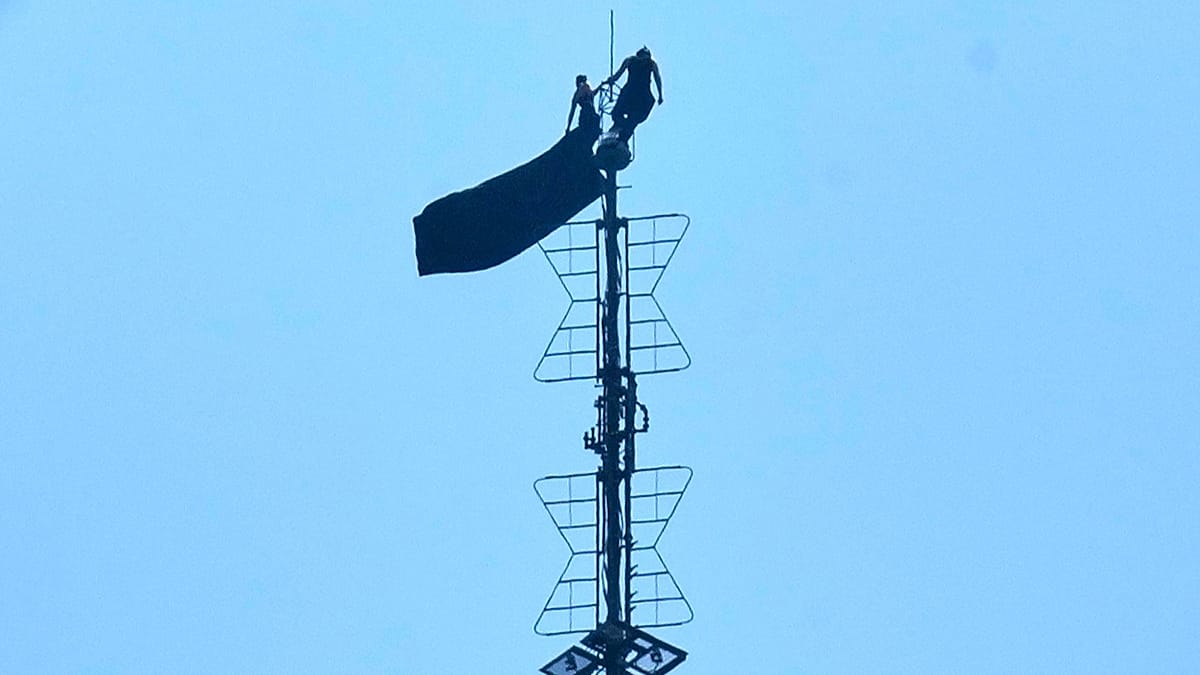
According to reports, two masked individuals dressed in black climbed onto the antenna of the Empire State Building and unfurled a banner bearing a peace-themed message about “the power of love.” Video footage showed the pair balancing high above Midtown Manhattan, kissing, embracing and later descending before being taken into police custody. No injuries were reported, but the event quickly raised a bigger question: how did anyone reach such a tightly controlled architectural landmark in the first place?
Why the Empire State Building banner stunt captured global attention
The Empire State Building banner stunt stood out because it happened at a property that is not just famous, but globally revered. The Empire State Building occupies a rare space between tourism, commercial real estate, heritage architecture and luxury brand identity. Its Art Deco silhouette is instantly associated with New York glamour, cinematic history and timeless urban design.
When an event like this unfolds on a structure of that stature, the reaction extends beyond public safety concerns. It also touches on:
- Architectural prestige and landmark management
- Security protocols at high-profile destinations
- The vulnerability of iconic design assets
- The role of spectacle in shaping public perception
For office workers, tourists and design followers alike, the surprise was not only the climb itself, but the apparent breach of a site known for screening visitors and restricting items such as large packages, costumes and masks.
An Art Deco masterpiece with luxury design status
To understand why the Empire State Building banner stunt resonates so strongly, it helps to consider the building’s place in the design world. Completed in 1931, the skyscraper remains one of the defining expressions of Art Deco architecture. Its stepped massing, elegant limestone facade and gleaming spire have made it a blueprint for aspirational urban design.
In luxury terms, the building functions as more than real estate. It is a brand in itself—an emblem of exclusivity, heritage and skyline sophistication. Observation decks, premium office space and curated visitor experiences all contribute to its elevated image. In the broader world of luxury decor and luxury design, the Empire State Building often serves as inspiration for:
- Art Deco interiors with geometric motifs
- Metallic finishes and sculptural lighting
- Statement furnishings inspired by 1930s New York glamour
- Skyline-centric residential and hospitality aesthetics
That is why any unauthorised activity involving the tower’s upper structure immediately becomes both a security issue and a design-world talking point.
What reportedly happened on the antenna
Reports indicate the two individuals reached the antenna section above the public areas of the 102-story building, then displayed a banner with a peace message. Helicopter footage showed them standing on a narrow ledge hundreds of metres above street level. At one stage, one appeared to kneel, the two embraced again and selfies were apparently taken before they climbed down.
Police detained both individuals shortly after 1 pm local time. Authorities said no one was hurt, while building management described the episode as unauthorised and said it did not pose a danger to occupants inside the tower.
Still, the unanswered issue remains central to the story: access. The upper antenna is well above the visitor experience zones, and observers were left wondering what path allowed the pair to get there.
Security, symbolism and the value of landmark design
The Empire State Building banner stunt also underscores a growing challenge for landmark operators. Buildings of exceptional design value are not only admired; they are also used as backdrops for activism, performance and viral attention. That creates tension between openness and protection.
Why landmark security matters
For high-profile architectural destinations, security is about more than preventing physical harm. It also protects:
- Brand reputation
- Visitor confidence
- Operational continuity
- Historic preservation
- Tenant trust
When a luxury-associated landmark appears vulnerable, public conversation quickly shifts from admiration to scrutiny.
The power of image in the age of spectacle
Part of what made the incident so compelling was its visual contrast: a romantic, slogan-bearing gesture staged against one of the most disciplined and symmetrical skyscrapers ever designed. In a media environment driven by imagery, iconic buildings offer instant recognisability. A dramatic act becomes even more potent when set atop a structure with universal design appeal.
That dynamic matters for luxury brands and designers as well. Visual storytelling increasingly depends on architecture that communicates status, history and emotional impact at a glance.
What this means for luxury architecture and design culture
The Empire State Building banner stunt may fade from the news cycle, but it leaves behind useful lessons for the luxury design sector. Iconic buildings are no longer passive monuments. They are active cultural platforms, constantly photographed, discussed and repurposed in public imagination.
For developers, hoteliers, architects and brand strategists, the event highlights several realities:
- Design icons need modern security. Heritage appeal must be matched with updated operational safeguards.
- Prestige architecture attracts visibility. The more recognisable the property, the greater the symbolic target value.
- Brand identity is tied to place. A landmark’s image can influence how tenants, visitors and global audiences perceive it.
- Experience and control must coexist. Public access is part of a landmark’s appeal, but so is the confidence that it is well protected.
In the luxury decor and design world, this also renews appreciation for the Empire State Building as a lasting symbol of elegance under pressure—a structure whose beauty remains intact even when the spotlight shifts unexpectedly.
Final takeaway
The Empire State Building banner stunt was not just an arrest story from New York. It was an unexpected collision of spectacle, symbolism and architectural prestige at one of the world’s most celebrated Art Deco landmarks. For anyone interested in luxury brands, luxury decor or luxury design, the incident reinforces a simple truth: iconic buildings are never just buildings—they are cultural assets whose beauty, meaning and security all matter equally.