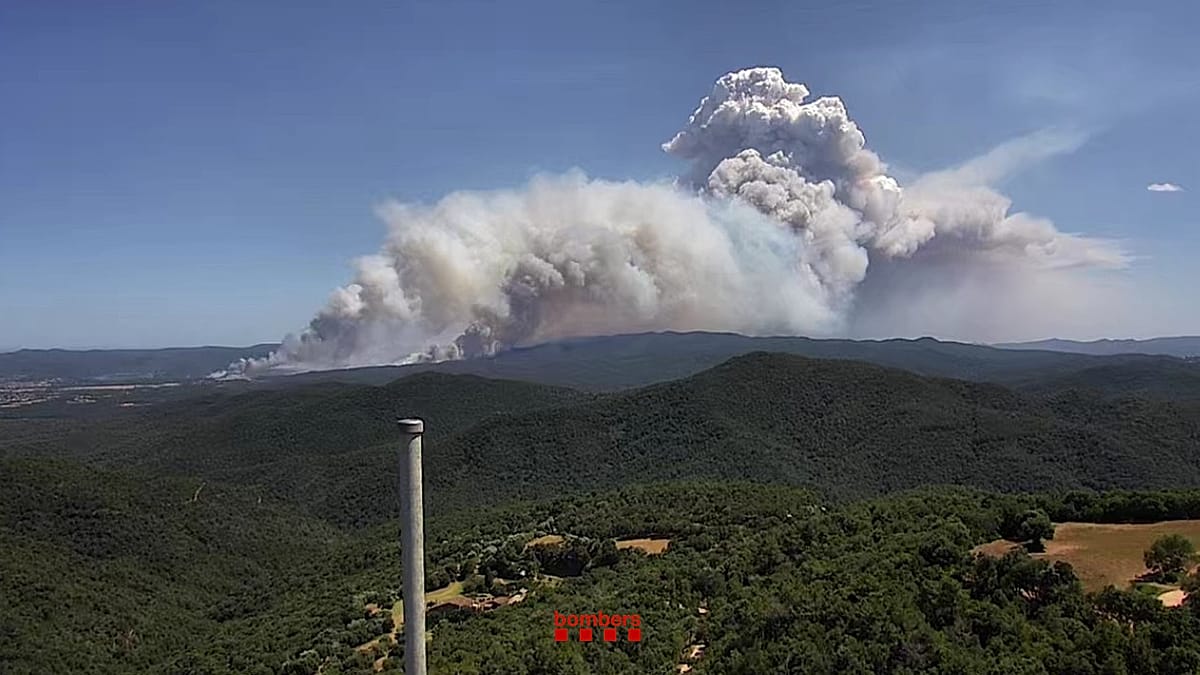
The Costa Brava wildfire is more than a breaking climate story—it is a stark warning for architects, interior designers, and luxury property owners shaping Spain’s most coveted coastal landscapes. As flames tore through Girona province, the event exposed how vulnerable high-end homes, resort developments, and carefully curated natural settings can be when wildfire risk collides with wind, drought, and expanding human activity.
According to reports from Catalonia, the fire near La Bisbal d’Empordà burned roughly 1,280 hectares and forced around 12,000 residents to remain indoors. Authorities also investigated whether roadside mechanical works may have triggered the blaze, while powerful tramontana winds accelerated its spread into the Gavarres massif. For the luxury architecture and interiors world, the implications stretch far beyond emergency headlines: this is about how premium living environments must now be conceived, built, and maintained in a new era of climate-driven hazard.
Why the Costa Brava wildfire matters for luxury architecture
The Costa Brava has long been defined by its dramatic topography, forested hills, Mediterranean light, and secluded villas overlooking the sea. These same qualities that make the region architecturally desirable also increase exposure to wildfire. When a fast-moving blaze enters forested slopes and coastal hinterlands, it threatens:
- Private estates surrounded by vegetation
- Boutique hotels and design-led hospitality properties
- Holiday compounds and gated communities
- Infrastructure such as access roads, power lines, and landscape irrigation systems
- Outdoor living spaces including terraces, pergolas, pools, and pavilions
The Costa Brava wildfire demonstrates that luxury design can no longer treat resilience as a secondary technical concern. It must become part of the aesthetic and planning brief from day one.
What happened in Girona
Officials said the main blaze broke out in La Bisbal d’Empordà and remained out of control as strong tramontana winds pushed flames through forest land and generated secondary outbreaks. More than fifty firefighting units, including aerial resources, were deployed. Authorities requested assistance from Spain’s Military Emergency Unit, issued mobile alerts, and advised confinement measures across multiple municipalities.
A separate fire in Vilavenut affected agricultural land and also prompted stay-indoors alerts for nearby residents. Road closures followed across parts of Girona province, complicating access and emergency response. Fire service leaders reportedly warned that shifting winds could drive the main fire toward more built-up coastal zones, underlining the danger facing inhabited and developed areas.
A warning from so-called sixth-generation fires
Fire officials described the event as a potential “sixth-generation” wildfire—a term used for blazes that behave with extreme intensity, spread rapidly, and become difficult to predict due to atmospheric interaction. For luxury real estate, this classification matters because it changes long-held assumptions about defendable space, response time, and the safety of remote scenic properties.
In practical terms, homes designed for privacy in wooded enclaves may now require the same level of risk modelling once reserved for critical infrastructure.
Design lessons from the Costa Brava wildfire
The Costa Brava wildfire should push the luxury sector toward a more sophisticated fire-conscious design language. This does not mean sacrificing beauty. It means pairing elegance with material intelligence, landscape strategy, and emergency planning.
1. Material selection must evolve
Combustible exterior finishes can turn a visually stunning home into a vulnerable one. Architects working in wildfire-prone regions should prioritise:
- Stone, concrete, and fire-rated plaster façades
- Metal-framed glazing systems
- Tempered glass for large window walls
- Non-combustible roofing materials
- Protected vents and ember-resistant detailing
Luxury architecture can still feel warm and tactile, but it should rely less on exposed timber in the most vulnerable exterior zones.
2. Landscaping needs a Mediterranean rethink
In many high-end homes, lush planting is part of the identity of the estate. Yet ornamental density can become fuel. Designers should consider low-flammability planting palettes, wider gravel or stone buffer zones, and carefully managed tree spacing. Outdoor kitchens, pool houses, and lounge decks should also be placed with fire spread patterns in mind.
For coastal residences, the goal is not to erase the landscape but to choreograph it more intelligently.
3. Interiors are part of resilience too
Luxury interiors may seem removed from wildfire planning, but they are part of the broader resilience equation. Advanced air filtration, smoke-sealing doors, zoned ventilation systems, and backup power can protect occupants during confinement orders or smoke events. In a region where mobile alerts and stay-indoors measures affected thousands, interior environments must support short-term sheltering safely and comfortably.
This creates new opportunities for high-end interior design, especially in wellness-oriented homes where clean air, thermal control, and acoustic insulation are already priorities.
How luxury developments can adapt
For developers, the Costa Brava wildfire offers a clear set of strategic lessons. Premium projects in forested or semi-rural coastal settings should build wildfire adaptation into both planning approvals and brand positioning.
- Conduct site-specific fire risk assessments before finalising massing, access, and planting plans.
- Create multiple access and evacuation routes for estates, compounds, and hospitality properties.
- Integrate water storage and suppression systems discreetly into the design.
- Use defensible space principles without compromising privacy or visual appeal.
- Plan for operational resilience, including smoke events, road closures, and temporary confinement.
Increasingly, buyers at the top of the market will see resilience not as a compromise, but as a marker of intelligent luxury.
The future of coastal luxury design in a warming climate
Wildfires in southern Europe are no longer rare anomalies. They are becoming a recurring force that will reshape architecture, planning, and property value. For iconic destinations such as the Costa Brava, preserving the allure of sea-view villas, sculpted gardens, and indoor-outdoor living means adapting design culture to climate reality.
The most successful homes of the future will not simply photograph well. They will endure heat, smoke, wind shifts, and service disruption while maintaining comfort and beauty. That is the new frontier of luxury architecture.
Ultimately, the Costa Brava wildfire is a reminder that exceptional design must now do more than frame a landscape—it must also protect against its growing volatility. For architects, interior designers, and developers, the takeaway is clear: resilience is no longer separate from luxury; it is becoming one of its defining features.