
Keiko Fujimori wins Peru runoff in a result that could reshape the country’s political and business climate at a pivotal moment. While the election was driven largely by public anxiety over crime and security, the implications extend beyond politics into consumer confidence, investment sentiment, and the wider premium lifestyle economy tied to luxury brands, luxury decor, and luxury design.
Peru’s presidential election ended with an exceptionally narrow margin, underscoring both political polarization and the urgency of the issues facing the country. For high-end market watchers, the headline is not only that Keiko Fujimori wins Peru runoff, but that the incoming administration will inherit a nation where security concerns, institutional volatility, and economic expectations are all tightly linked.
Keiko Fujimori Wins Peru Runoff in a Tight Election
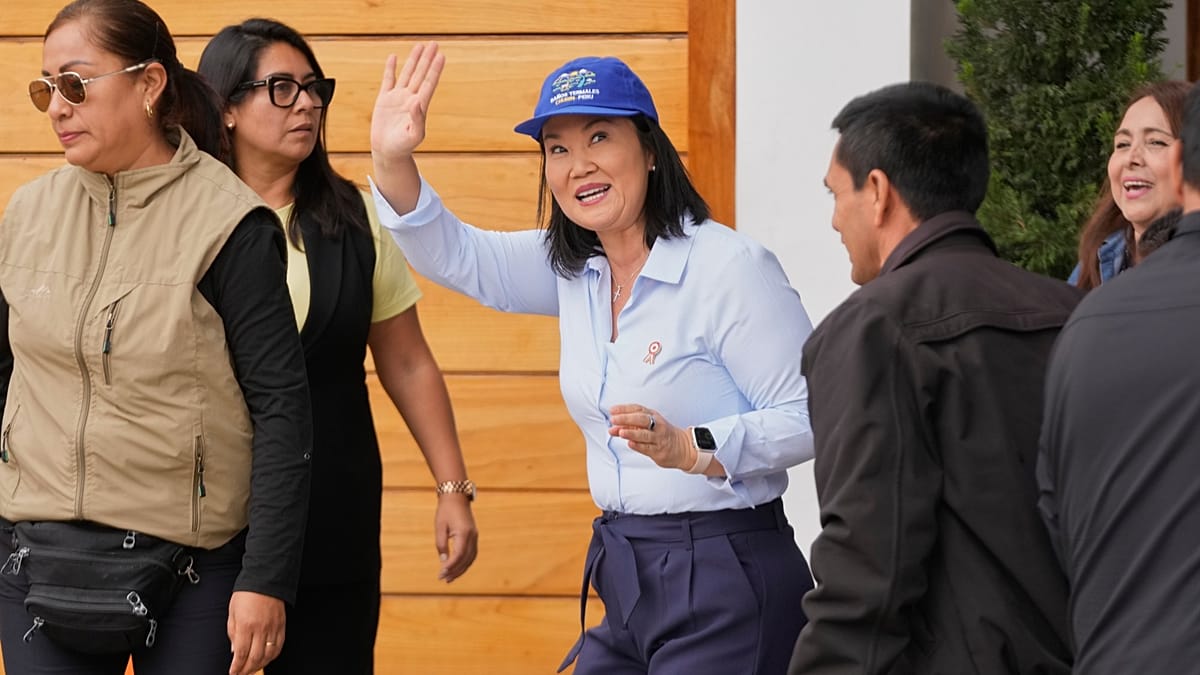
The country’s election authority certified the result after all ballots were counted. Keiko Fujimori secured 50.135% of the vote, narrowly defeating nationalist congressman Roberto Sánchez, who received 49.865%. It was Fujimori’s fourth presidential bid, and her victory places her at the center of Peru’s next political chapter.
The significance of the result is heightened by Peru’s recent instability. Fujimori is set to become the nation’s ninth president in 10 years, a striking indicator of turnover at the top. That kind of political churn matters not just to voters and policymakers, but also to domestic and foreign businesses assessing long-term risk, market expansion, and consumer demand.
Her campaign was shaped by a strong law-and-order message. Voters were particularly focused on rising crime, including extortion by organized criminal gangs, and Fujimori promised a tougher security response.
Why Security and Stability Matter to Luxury Brands
At first glance, a presidential runoff in Peru may appear distant from the world of premium interiors and upscale retail. In reality, when Keiko Fujimori wins Peru runoff on a platform centered on crime reduction, the result becomes relevant to any sector that depends on affluent consumption, secure urban commerce, and investor confidence.
Luxury brands thrive in environments where customers feel confident spending, traveling, and visiting premium retail destinations. High-end consumption often correlates with broader perceptions of stability, including:
- Public safety in commercial districts
- Predictability in regulation and taxation
- Confidence among international investors
- Stable tourism and hospitality activity
- Resilient upper-middle-class and wealthy consumer spending
If the next government succeeds in improving security conditions, sectors adjacent to luxury retail could benefit. These include boutique hospitality, premium residential development, designer furnishings, art collecting, and bespoke home renovation.
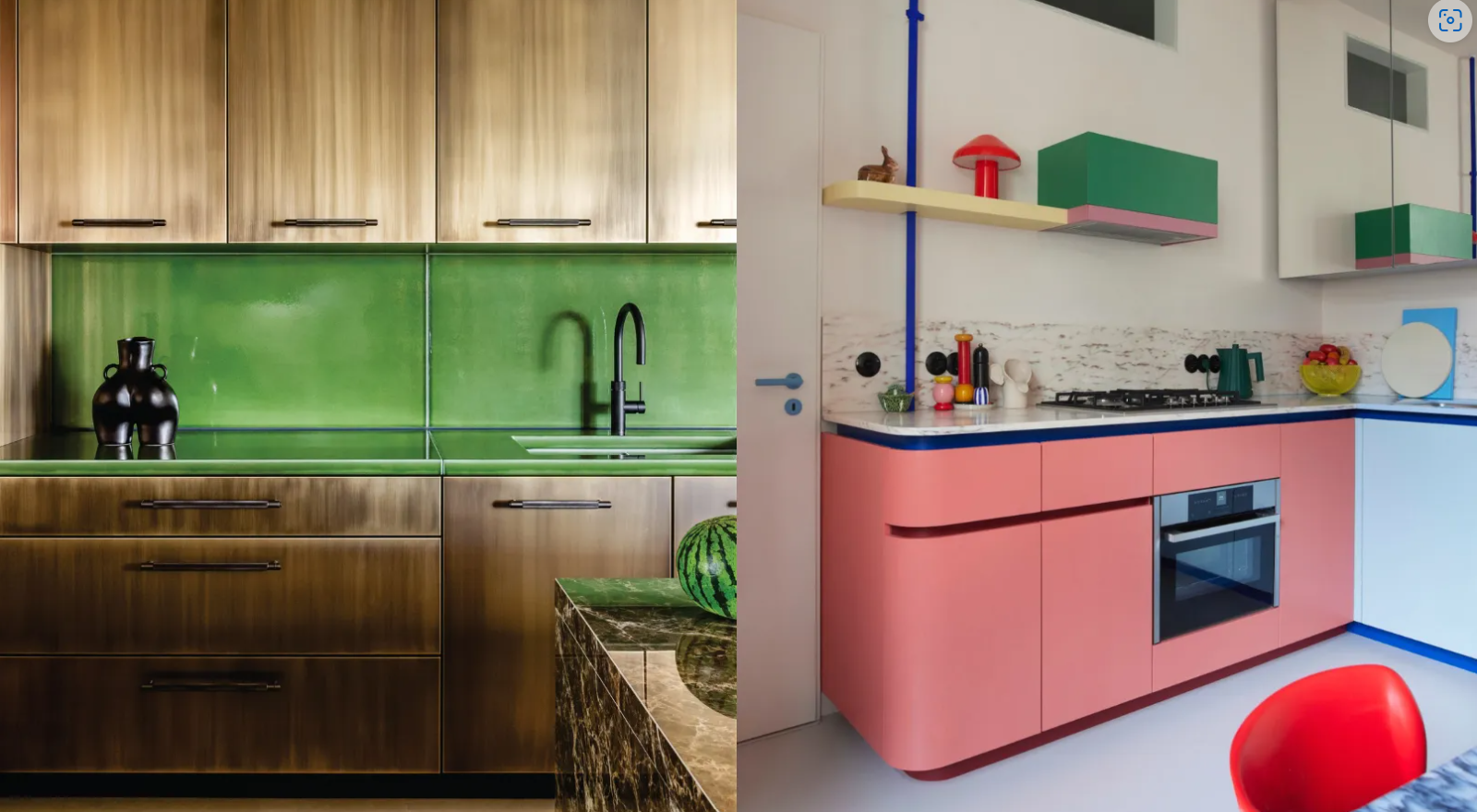
Luxury Decor and Luxury Design in a Shifting Peruvian Market
Peru has long held cultural and aesthetic importance in the Latin American design landscape. From artisanal craftsmanship and heritage textiles to elevated natural materials, the country offers inspiration that resonates strongly with contemporary luxury decor and luxury design trends. Political developments therefore matter not only economically, but culturally.
Potential Upside for Premium Interiors
If governance becomes more predictable and security improves, Peru could see stronger momentum in premium real estate and upscale home investment. That may create opportunities for:
- Interior designers serving affluent homeowners
- Luxury decor retailers focused on artisanal sourcing
- Hospitality groups investing in high-end resorts and urban properties
- International luxury brands exploring selective market expansion
Consumer behavior in the luxury space often responds to sentiment as much as income. A safer and more stable environment can encourage spending on aspirational categories such as custom furnishings, collectible objects, statement lighting, and refined architectural finishes.
Ongoing Risks to Watch
Still, the fact that Keiko Fujimori wins Peru runoff does not automatically guarantee market confidence. Peru remains politically fragmented, and close election margins can leave lingering social and institutional tension. Premium market participants will likely monitor:
- How quickly anti-crime policies are implemented
- Whether political opposition disrupts reforms
- The impact of leadership changes on business confidence
- Currency, inflation, and import conditions affecting luxury goods
For luxury design professionals and brands, these variables can influence everything from project pipelines to product pricing and cross-border sourcing.
The Fujimori Legacy and Brand Perception
Any analysis of Peru’s future must also consider the complex legacy surrounding the Fujimori name. Keiko Fujimori is the daughter of former president Alberto Fujimori, whose government was credited by supporters with defeating the Shining Path insurgency in the 1990s but was also widely condemned for authoritarianism, human rights abuses, and corruption. He was later convicted on those charges.
This background matters because global luxury brands are increasingly sensitive to reputation, governance standards, and political optics. Entering or expanding in a market is not purely a financial calculation; it also involves brand alignment, stakeholder expectations, and public perception.
When Keiko Fujimori wins Peru runoff, international companies may take a measured approach, balancing commercial opportunity with caution. High-end brands especially tend to prefer markets where political narratives support long-term prestige, trust, and consistency.
What This Means for the Luxury Sector in Latin America
The broader regional context is also important. Latin America continues to attract luxury interest through tourism, residential investment, design talent, and culturally rich craftsmanship. Peru, with its strong visual identity and artisanal heritage, has the ingredients to remain relevant in the premium economy.
For stakeholders in luxury brands, luxury decor, and luxury design, the election result may signal three key themes:
- Security is now a market issue: Public safety directly affects retail, real estate, and hospitality.
- Political stability drives premium confidence: Frequent leadership changes can slow investment decisions.
- Cultural capital remains strong: Peru’s design language still holds international appeal, especially in craft-led luxury.
Whether the country can convert those strengths into sustained premium growth will depend on execution, governance, and social stability in the months ahead.
Conclusion: Keiko Fujimori Wins Peru Runoff, but the Real Test Starts Now
Keiko Fujimori wins Peru runoff by the narrowest of margins, propelled by voter concern over crime and a promise of tougher enforcement. For luxury-facing industries, the result is less about partisan politics and more about what follows: improved security, steadier institutions, and restored confidence could support luxury brands, luxury decor, and luxury design across Peru’s premium market.
The takeaway is clear: elections shape more than government. They help define the environment in which upscale retail, high-end interiors, and luxury investment either flourish or stall. Peru’s next chapter will be watched closely by political analysts and design-driven businesses alike.