

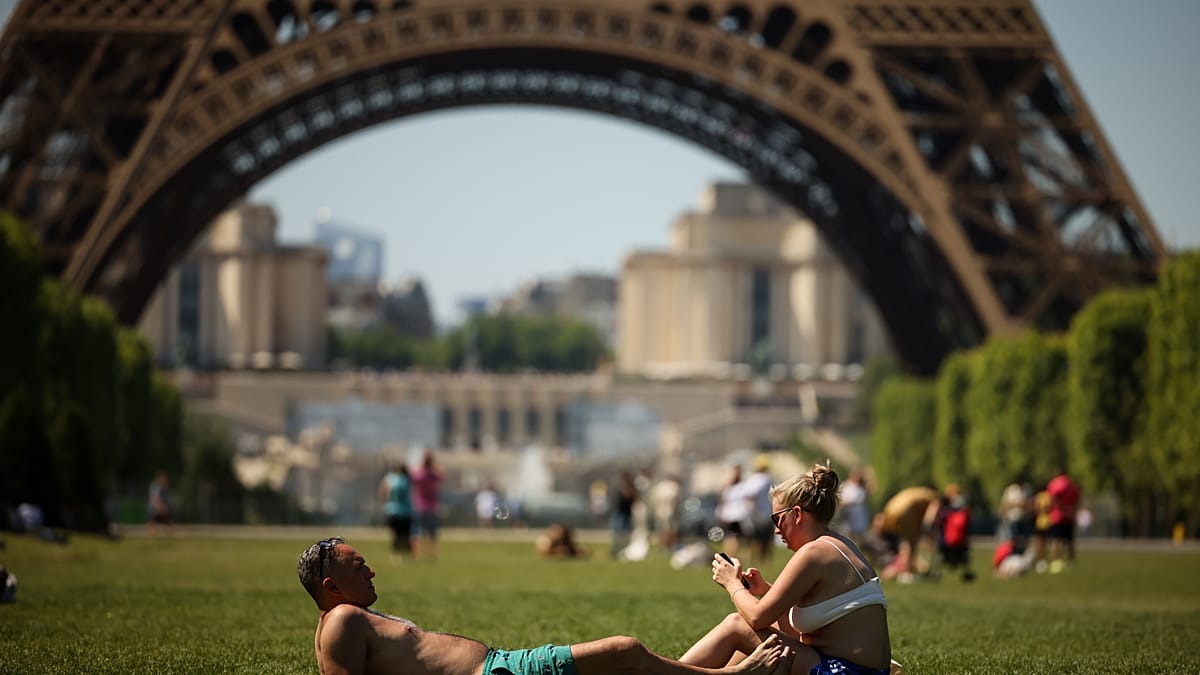
France heatwave deaths have surged by nearly 30% in a single week, a stark reminder that extreme temperatures are no longer a distant environmental concern. For the worlds of luxury architecture, luxury design, and luxury interiors, this is also a wake-up call: high-end spaces must now deliver not just beauty and prestige, but real climate resilience.
According to France’s public health agency, 2,025 additional deaths were recorded during the week beginning 22 June, marking a 29.1% increase over the previous week. Officials warned the figure may still be underestimated. The Paris region saw one of the sharpest spikes, with mortality rising by 62%, underscoring how urban density, heat retention, and inadequate cooling strategies can amplify risk.
France Heatwave Deaths and the Design Industry’s Climate Reckoning
The rise in France heatwave deaths is first and foremost a public health tragedy. But it also reveals a broader structural issue: many homes, apartments, and urban buildings were not designed for prolonged periods above 40°C. In Europe, where historic preservation and moderate-climate assumptions have shaped architecture for generations, record-breaking heat is exposing vulnerabilities in both old and new properties.
This matters deeply in luxury real estate. Affluent buyers increasingly expect residences to function as sanctuaries, especially during climate stress. A trophy home with oversized glazing, poor cross-ventilation, and heat-trapping materials may look impressive in a sales brochure, but it can quickly become uncomfortable or even unsafe during an extreme heat event.
As France heatwave deaths draw headlines, architects and interior designers are being pushed to rethink what premium living really means in a warming world.
How Extreme Heat Is Reshaping Luxury Architecture
Luxury architecture has long celebrated openness, natural light, and dramatic visual statements. Those features remain desirable, but they now need to be balanced with passive cooling and thermal performance.
Key architectural responses
- Solar control: Deep overhangs, exterior louvers, and brise-soleil systems can reduce solar gain without sacrificing elegance.
- High-performance glazing: Advanced glass can preserve views while limiting heat transmission.
- Cross-ventilation: Smart floor plans that encourage airflow can reduce dependence on mechanical cooling.
- Thermal mass: Stone, lime plaster, and concrete elements can help moderate indoor temperature swings when used strategically.
- Landscape integration: Shaded courtyards, water features, green roofs, and tree canopies can cool the surrounding microclimate.
These strategies are not merely practical add-ons. In the luxury segment, they can be integrated with exceptional craftsmanship, refined detailing, and bespoke aesthetics. Climate-responsive design is becoming a new marker of sophistication.
Luxury Interiors Must Evolve Beyond Aesthetics
The conversation around France heatwave deaths also has implications for luxury interiors. Interior design influences how heat is absorbed, retained, and perceived. Material choices, layout decisions, and lighting schemes all affect comfort during hot spells.
Interior design choices that support cooler living
- Natural materials: Linen, cotton, light woods, and breathable upholstery improve seasonal comfort.
- Lighter palettes: Soft neutrals and pale mineral tones visually and thermally support cooler spaces.
- Reduced heat load: Energy-efficient lighting and concealed smart systems generate less indoor heat.
- Layered shading: Sheer curtains, blackout drapery, and motorized blinds can regulate sunlight throughout the day.
- Zoned cooling: Integrated climate control allows residents to cool occupied spaces more efficiently.
In elite residences, comfort is increasingly defined by invisible performance. The most desirable interiors are no longer just curated and luxurious; they are adaptive, intelligent, and resilient.
Paris, Urban Heat, and the Future of High-End Living
The dramatic mortality increase in the Paris region highlights the urban heat island effect, where dense construction, dark surfaces, and limited vegetation trap warmth. For luxury property developers, this presents both a challenge and an opportunity.
In major cities, high-end projects can no longer rely on prestige location alone. They must address:
- Facade performance in prolonged heat
- Rooftop and terrace shading
- Private outdoor areas that remain usable in summer
- Backup energy systems for cooling resilience
- Air quality and ventilation during closed-window periods
Buyers at the top of the market are becoming more informed about wellness, sustainability, and operational efficiency. A penthouse or heritage conversion that cannot maintain livable summer conditions may lose appeal, regardless of address or finish level.
Why Climate Resilience Is Becoming a Luxury Standard
The increase in France heatwave deaths arrives amid criticism of the government’s preparedness for rising temperatures. While public policy remains central, private sector design decisions are also part of the solution. Buildings shape exposure to heat, determine energy demand, and influence human wellbeing every day.
For luxury architecture and interiors, climate resilience is rapidly joining craftsmanship, provenance, and exclusivity as a core value. Forward-looking firms are already treating sustainability and thermal comfort not as compromises, but as enhancements to the luxury experience.
This shift is visible in several emerging priorities:
- Wellness-led design that emphasizes healthy indoor environments
- Bioclimatic planning tailored to local weather patterns
- Smart home integration for shading, ventilation, and cooling control
- Low-impact materials that support both sustainability and durability
- Future-proofing against more frequent and intense heatwaves
In this context, true luxury is not excess for its own sake. It is the ability of a space to remain serene, beautiful, and protective under pressure.
Conclusion: France Heatwave Deaths Signal a New Era for Luxury Design
France heatwave deaths are a sobering indicator of how quickly climate risk is intensifying across Europe. For professionals and clients in luxury architecture, luxury design, and luxury interiors, the message is clear: exceptional spaces must now perform as climate shelters as well as status symbols.
The homes and buildings that define the next era of luxury will be those that combine elegance with preparedness. In a hotter future, resilience is not separate from design excellence — it is becoming one of its highest forms.