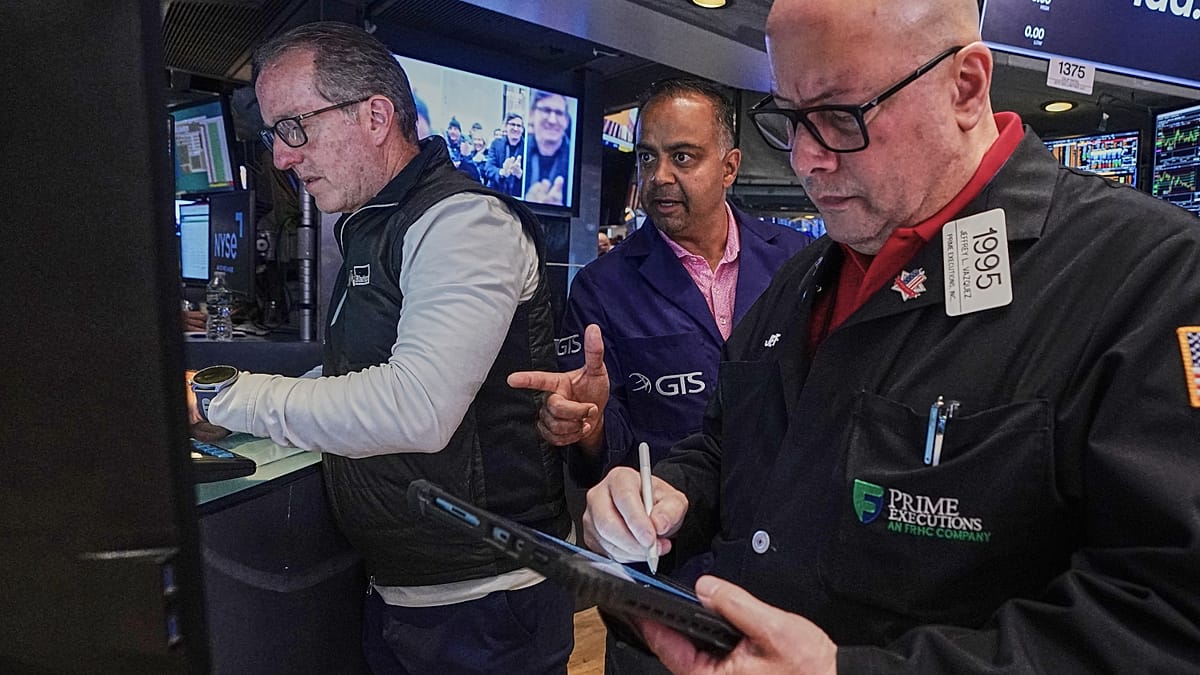
Luxury design rarely moves in isolation. When global markets regain confidence, the effects often ripple quickly into luxury architecture, premium developments, and high-end interiors. The latest rebound across Asian equities—following a fresh record for the Dow Jones Industrial Average—offers an important clue for designers, developers, and investors watching where affluent demand may head next.
While the headlines focused on chip stocks, AI-linked volatility, and a mixed Wall Street session, the deeper story for the design world is about sentiment. When markets stabilise after a sharp sell-off, luxury real estate, bespoke interiors, and prestige construction projects often benefit from renewed confidence among ultra-high-net-worth buyers and institutional investors.
Why market sentiment matters for luxury architecture
The recent rally in Asian markets came after a calmer trading session than the prior day’s sharp semiconductor-led decline. South Korea’s Kospi rebounded strongly, Japan’s Nikkei moved higher, and major indexes in Hong Kong, mainland China, and Australia also advanced. Although Taiwan lagged slightly, the broader tone was one of recovery rather than panic.
For luxury architecture, that matters because premium property cycles are closely tied to wealth effects. Record highs on Wall Street and firmer Asian markets can support:
- New ultra-prime residential launches
- High-spec hospitality and branded residences
- Luxury mixed-use developments in financial hubs
- Demand for custom materials, smart systems, and collectible design pieces
In practical terms, improved investor mood can encourage clients to move ahead with projects that may have been paused during periods of uncertainty. That includes penthouses, waterfront villas, private wellness estates, and corporate headquarters designed to project status and innovation.
Asian markets and the future of luxury design
The bounce in Asian stocks was uneven but meaningful. South Korean giants such as Samsung Electronics and SK Hynix recovered part of the previous day’s losses, while Japan’s Kioxia surged even as some chip-equipment names stayed weak. This split performance is a reminder that optimism has returned, but selectivity remains essential.
That same pattern is increasingly visible in luxury design. Buyers are still spending, but they are spending more selectively. Rather than broad-based exuberance, today’s top-end clients want spaces that combine craftsmanship, technology, and long-term value.
What affluent clients are prioritising
Current market conditions point to a more strategic luxury consumer. In architecture and interiors, that often translates into a preference for:
- Timeless materials such as natural stone, smoked oak, bronze, and hand-finished plaster
- Integrated technology including discreet smart-home controls, energy management, and AI-assisted comfort systems
- Wellness-led layouts with spa bathrooms, recovery rooms, filtered air systems, and biophilic design
- Privacy and resilience through secure access, adaptable floor plans, and durable specification choices
As confidence returns to capital markets, these features become even more important in premium developments competing for globally mobile buyers.
Luxury interiors in a high-volatility economy
Even with Friday’s rebound, the broader market picture remains nuanced. US stocks were mixed, the Nasdaq slipped, and several semiconductor names continued to struggle. Investors were encouraged by a cooler US jobs report and oil prices that remain below pre-war levels, raising hopes that inflation pressure may ease and central banks could face less pressure to keep tightening aggressively.
For luxury interiors, this environment creates a fascinating balance between caution and ambition. Clients may still approve major fit-outs, but they increasingly expect design choices to justify their cost through functionality, longevity, and emotional impact.
Interior trends shaped by economic confidence
When markets are optimistic but not euphoric, design tends to evolve in sophisticated ways. We are seeing growing interest in:
- Layered neutral palettes elevated by sculptural lighting
- Statement joinery and custom millwork instead of trend-led excess
- Gallery-style spaces for art, collectible furniture, and rare objects
- Hotel-inspired bathrooms and dressing rooms
- Flexible rooms that can shift between work, leisure, and entertaining
This is where luxury architecture and interiors converge. The most successful residences are no longer just visually striking; they are highly livable, technically advanced, and deeply personalised.
What the Dow record and softer jobs data mean for premium property
The Dow’s new record high reflects ongoing confidence in parts of the US economy, even as technology shares remain under pressure. Meanwhile, weaker-than-expected jobs growth may reduce the urgency for further aggressive interest-rate increases. Combined with relatively contained oil prices, this could improve financing conditions and sentiment across global real estate.
That backdrop is especially relevant for luxury architecture because major projects depend on both confidence and capital. If borrowing pressures stabilise and investor nerves cool, developers may be more willing to greenlight signature towers, luxury resorts, and design-led urban regeneration schemes.
Markets do not dictate aesthetics, but they do influence timing, scale, and ambition. In periods like this, the projects that succeed tend to share three traits:
- Strong location fundamentals
- Distinctive design identity
- Future-ready amenities and infrastructure
From AI volatility to design opportunity
The turbulence in AI and semiconductor stocks may seem distant from the world of interiors, but the connection is real. Tech wealth has been one of the strongest drivers of premium residential spending in major cities from Singapore to Seoul, Tokyo, London, and New York. When AI-linked fortunes wobble, discretionary luxury spending can pause. When confidence returns, it often reappears first in real assets—especially homes, hospitality, and trophy properties.
That is why the recent recovery matters for luxury design. It suggests that, despite short-term volatility, demand for exceptional spaces remains supported by global wealth creation, evolving lifestyle expectations, and the enduring appeal of tangible assets.
Conclusion: confidence is returning, but discernment defines the next era
The latest rally in Asian markets is more than a financial headline. For the worlds of luxury architecture, luxury design, and luxury interiors, it signals a market that may be regaining the confidence needed to support ambitious high-end projects. Yet this is not a return to indiscriminate spending. Today’s premium clients want beauty, performance, and permanence in equal measure.
The key takeaway is clear: as financial sentiment improves, the biggest opportunities in luxury architecture will belong to projects and spaces that pair refined aesthetics with resilience, technology, and lasting value.