Europe’s next long-term spending plan may sound like a distant political story, but for the world of premium real estate and high-end spaces, the EU budget debate has real design consequences. From landmark cultural buildings to regional regeneration, the proposed 2028-2034 financial framework could influence how luxury architecture, luxury design and luxury interiors evolve across the continent.
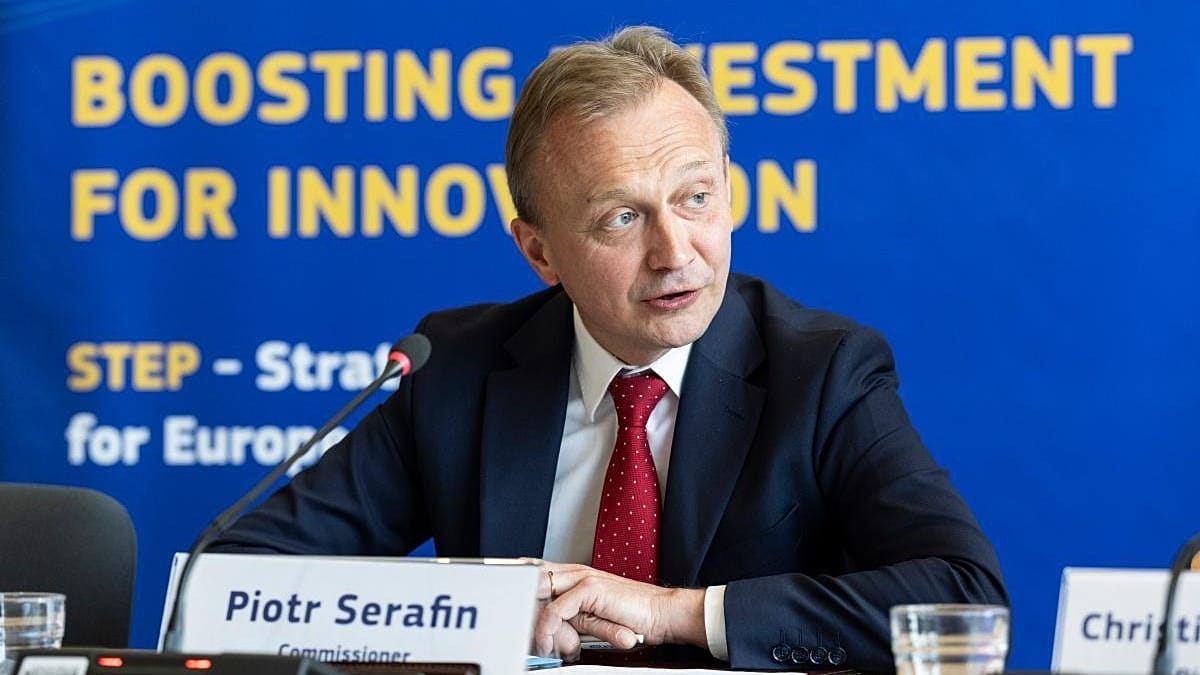
The current dispute pits fiscally cautious member states against countries pushing for stronger cohesion and investment funding. At the centre is the European Commission’s proposed €2 trillion EU budget for 2028-2034, now under negotiation. Budget Commissioner Piotr Serafin has warned that cutting shared European spending too aggressively may not actually reduce costs, especially when strategic investments would simply shift onto national budgets. For sectors tied to place-making, construction quality, urban renewal and design excellence, that argument matters.
Why the EU budget debate matters to luxury architecture
At first glance, EU fiscal negotiations and luxury architecture may seem unrelated. But major architecture and interior trends do not develop in a vacuum. They are shaped by infrastructure, public investment, sustainability targets, regional development incentives and the economic confidence that follows long-term funding.
When the EU budget supports regeneration, mobility, energy upgrades and regional cohesion, it can create the conditions for premium projects to flourish. That includes:
- High-end residential developments in revitalised city districts
- Luxury hospitality projects in emerging cultural destinations
- Adaptive reuse of historic buildings into boutique residences or hotels
- Premium mixed-use schemes anchored by improved transport and public realm investment
- Interior design commissions tied to second-home markets and cross-border investment
If shared spending is reduced too far, those opportunities may narrow, particularly in southern and eastern Europe where public investment often helps unlock private capital.
The clash between the “frugals” and the “friends of cohesion”
The debate over the EU budget has crystallised around two blocs. Germany, the Netherlands, Denmark, Sweden, Finland and Austria want spending cuts and remain cautious about creating new revenue sources. On the other side, 16 countries from southern and eastern Europe, calling themselves the “friends of cohesion,” want stronger support for agriculture and regional funds, both of which were already reduced in the Commission’s original proposal.
A draft compromise reached in mid-June suggested trimming €32.8 billion from the initial plan. However, negotiations are still in an early phase, and final figures are not expected until later in the year. The target is to secure a deal by the end of 2026, avoiding a politically charged 2027, when several major European countries face election cycles.
For the design and property sectors, the stakes are not abstract. Regional funding often helps shape the broader investment ecosystem around luxury developments, especially in cities and resort areas where public and private ambitions intersect.
Piotr Serafin’s warning: cheaper is not always smarter
Serafin’s central point is that a smaller EU budget does not automatically mean lower costs for taxpayers. In his view, shared spending can prevent duplication, improve efficiency and create economies of scale. If defence, security, infrastructure or strategic upgrades are funded separately by national governments instead of collectively, the final bill may rise rather than fall.
That same logic can be applied to the built environment. Fragmented investment can produce uneven standards, missed sustainability targets and slower delivery of the urban improvements that make premium real estate more desirable. By contrast, coordinated funding can help cities and regions modernise faster, making them more attractive to architects, developers, interior designers and affluent buyers.
What this means for premium design sectors
In practical terms, the EU budget debate could influence several pillars of the luxury market:
- Urban regeneration: Well-funded regions are better positioned to transform former industrial or underused districts into desirable design-led neighbourhoods.
- Sustainability upgrades: Energy performance rules and green transition investment increasingly affect luxury architecture and luxury interiors, where clients now expect beauty and efficiency together.
- Cultural capital: Public support for museums, performing arts venues and heritage conservation often elevates a city’s prestige, boosting nearby luxury property values.
- Mobility and access: Premium destinations rely on transport links, public realm quality and infrastructure resilience.
- Cross-border investor confidence: A clear, ambitious EU budget can signal long-term stability, something global investors watch closely.
Luxury interiors and the ripple effect of public investment
The relationship between macro-budget policy and luxury interiors is more direct than it appears. Interior design at the top end is often commissioned after confidence has already been established in a location. When districts improve, tourism grows, transport expands and heritage assets are restored, demand rises for bespoke interiors in residences, hotels, branded apartments and private clubs.
Designers working in Europe’s premium segment are also responding to larger structural themes that depend on public investment frameworks, including:
- Retrofitting historic properties to modern sustainability standards
- Using local artisanal materials and regional craft traditions
- Designing wellness-focused private spaces in urban environments
- Integrating smart home systems and energy-efficient technologies
- Reimagining coastal and countryside properties for international buyers
If cohesion funding and regional spending shrink too sharply, some emerging luxury markets may lose momentum. Established capitals may remain resilient, but secondary cities and culturally rich regions could face slower premium development pipelines.
A budget story with long-term design implications
Although this is fundamentally a political and economic negotiation, it should also be viewed as a story about Europe’s future physical environment. The EU budget helps determine which places are upgraded, which regions stay competitive and how evenly prosperity is distributed. Those outcomes shape where luxury architecture commissions appear, where luxury design talent concentrates and where luxury interiors find their most ambitious clients.
The timeline also matters. With numbers still in flux and a final deal ideally due by the end of 2026, developers, investors and design professionals will be watching for signals. Any shift toward deeper cuts could alter confidence in projects tied to regeneration or public-private collaboration.
In the end, the EU budget is not just about accounting. It is about what kind of Europe gets built. For luxury architecture, luxury design and luxury interiors, the clearest takeaway is simple: a more ambitious shared investment model can create stronger foundations for beautiful, high-value spaces. As the EU budget negotiations continue, the design world has good reason to pay attention.