

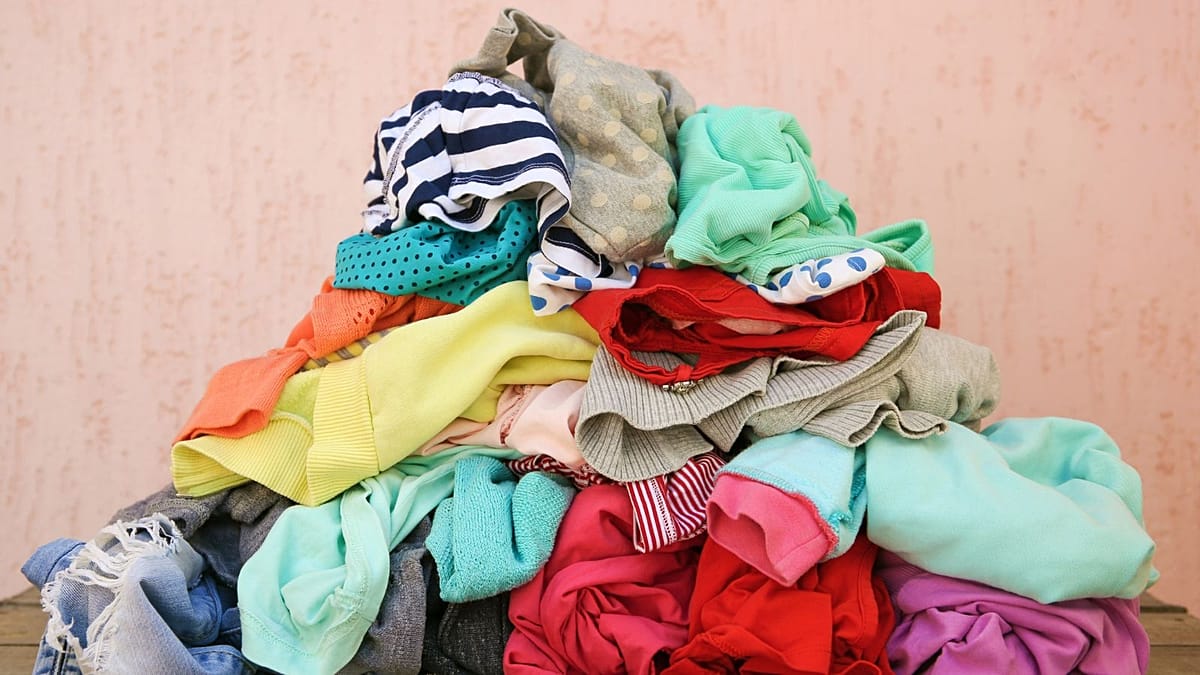
What touches your skin every day matters more than most people realise. The growing evidence around toxic fast fashion is not just a consumer story—it is increasingly a design, interiors and wellness issue that belongs in every high-end home conversation.
New European scrutiny of ultra-cheap imported garments has exposed a troubling reality: many low-cost textiles and accessories sold through major e-commerce platforms may contain hazardous substances at levels that breach EU safety rules. For readers interested in luxury architecture, luxury design and luxury interiors, the message is clear: material quality is no longer only about aesthetics, craftsmanship or brand prestige. It is also about chemical safety, longevity and the health of the spaces we live in.
Toxic Fast Fashion Is Becoming a Design Issue
The European Union is moving to tighten oversight of incoming low-value parcels, many of which contain clothing and household-related consumer goods made from inexpensive synthetic materials. Consumer groups and laboratory testing have repeatedly flagged high rates of non-compliance, with some investigations finding that a large share of products fail to meet basic European health and safety standards.
At the centre of the concern is toxic fast fashion: garments and accessories produced at extreme speed and low cost, often with limited transparency around dyes, finishes, polymers and manufacturing controls. While the headline issue may seem tied to apparel, the implications extend into the world of interiors because the same material logic often appears across cushions, throws, rugs, curtains and decorative textiles.
Luxury consumers have long valued natural materials, artisanal methods and enduring quality. Now those preferences also align with a more health-conscious approach to design.
What Chemicals Are Being Found in Low-Cost Textiles?
Reports cited by European consumer and environmental groups have identified a range of restricted or hazardous chemicals in low-priced fashion products. These substances may be added intentionally for softness, waterproofing or wrinkle resistance, or they may appear through poor quality control and contamination.
Key substances raising concern
- Phthalates: Often used to soften plastics and synthetic materials; associated with hormone disruption and developmental concerns.
- PFAS: So-called forever chemicals used for water resistance; linked to persistence in the body and environment.
- Formaldehyde: Commonly used for wrinkle resistance and preservation during shipping; may trigger skin irritation and allergic reactions.
- Heavy metals such as lead and cadmium: Associated with neurological, kidney, reproductive and developmental harm.
- Nonylphenol ethoxylates and related compounds: Chemicals connected to endocrine and environmental concerns.
- Aromatic amines and solvents: Some are suspected or known carcinogens and can also irritate the respiratory system.
In many cases, these chemicals can migrate through skin contact, heat, sweat and prolonged wear. Fibres and residues can also be inhaled, especially from synthetic materials that shed over time.
Why Luxury Interiors Should Pay Attention
The relevance of toxic fast fashion to interiors is direct. Homes are increasingly designed as wellness environments, and textiles play a major role in indoor comfort, tactile experience and air quality. If consumers are being warned about hazardous substances in clothing, it is reasonable to ask tougher questions about the broader soft-material ecosystem inside the home.
Consider how often textiles surround us indoors:
- Upholstered seating
- Window treatments
- Bedding and throws
- Area rugs
- Decorative cushions
- Children’s soft furnishings
In luxury interiors, these items are not disposable accents. They are foundational design elements. Choosing better materials—such as certified linens, organic cottons, responsibly sourced wool, silk blends and low-toxicity finishes—supports a richer design language while reducing reliance on low-grade synthetics.
The hidden cost of bargain materials
Ultra-cheap synthetic textiles may appear visually similar to premium alternatives at first glance, but the differences emerge quickly:
- Longevity: Better fibres age more gracefully and resist rapid pilling or distortion.
- Tactile quality: Natural and high-grade textiles deliver superior hand-feel and comfort.
- Air quality: Lower-emission materials can contribute to a healthier indoor environment.
- Environmental performance: Durable pieces reduce replacement cycles and waste.
- Design integrity: Authentic materials deepen the visual and sensory experience of a space.
From Disposable Fashion to Enduring Material Culture
One useful response to toxic fast fashion is to think less about trends and more about material culture. Luxury design has always been strongest when it values permanence over novelty. That principle now feels especially relevant.
Instead of buying more, the smarter move is buying better. In fashion, that means fewer garments with stronger fabrication and transparent sourcing. In interiors, it means selecting textiles and finishes designed to last, ideally with traceable manufacturing standards and recognised certifications.
Designers and homeowners can ask practical questions before purchasing:
- What fibre composition is being used?
- Are stain-resistant or waterproof finishes chemically disclosed?
- Does the product meet recognised safety or environmental certifications?
- Is the manufacturer transparent about dyes, coatings and treatments?
- Will this piece still be desirable and functional in five years?
How to Build a More Refined, Healthier Textile Wardrobe at Home
A luxury approach to textiles is not simply more expensive—it is more intentional. The best interiors are curated with discipline, not excess.
Smarter alternatives to low-quality synthetics
- Choose natural fibres where performance allows
- Prioritise craftsmanship over volume purchasing
- Invest in fewer, better upholstery and bedding pieces
- Look for low-VOC, certified or responsibly treated fabrics
- Avoid impulse buys from opaque ultra-fast retail platforms
- Rotate seasonally rather than constantly replacing
This mindset bridges fashion, interiors and architecture. A well-designed home reflects the same values as a well-made wardrobe: restraint, quality, authenticity and care.
Conclusion: Toxic Fast Fashion Undermines the Idea of True Luxury
The rise of toxic fast fashion exposes a fundamental contradiction in modern consumption: products marketed for convenience and affordability may carry hidden costs for health, design quality and the environment. For anyone invested in luxury interiors and elevated living, the takeaway is simple. True luxury is not disposable, chemically questionable or built for a single season.
It is thoughtful. It is durable. And it begins with materials you can trust—on your body, in your home and throughout the spaces you design.