Jet-powered drones are changing the tempo of modern warfare, and the latest developments in Ukraine show just how quickly aerial technology is evolving. As Russia expands its use of faster unmanned strike systems, the conflict is offering a stark lesson in how design, engineering and speed can outmatch traditional interception methods.
While the subject sits outside the world of luxury architecture and interiors in a conventional sense, it speaks directly to a broader design story: how high-performance systems are conceived, built and refined under intense pressure. In this case, jet-powered drones are not simply weapons; they are examples of aerodynamic problem-solving, advanced manufacturing and tactical design adaptation.
Why Jet-Powered Drones Matter Now
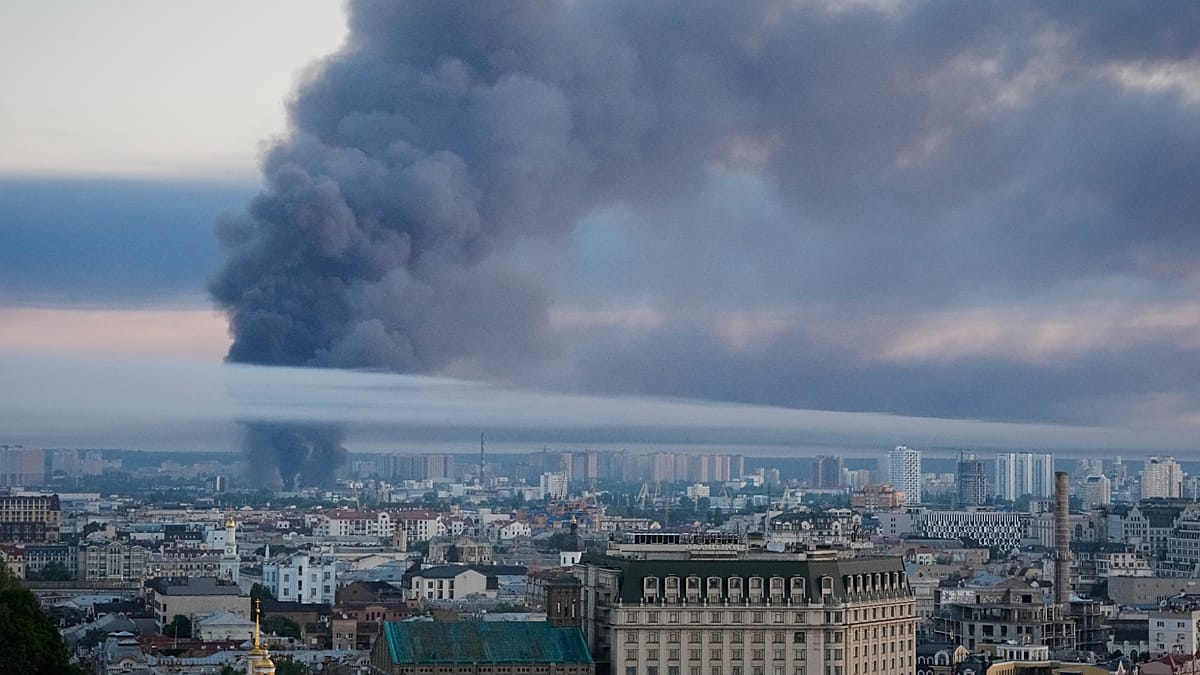
Russia is increasingly deploying jet-powered drones during large-scale attacks on Ukraine, often launching them alongside other loitering or kamikaze UAVs. The key advantage is speed. According to Ukrainian military officials, some of these systems can travel fast enough to outrun interceptor drones that were effective against slower propeller-driven models.
That shift has major consequences. When mobile fire teams and anti-drone interceptors can no longer reliably engage incoming threats, defenders are pushed toward using surface-to-air missiles instead. Those missiles are far more limited, more expensive and strategically precious.
In practical terms, jet-powered drones are altering the cost equation of air defence. A relatively lower-cost unmanned aircraft can compel the use of high-value interceptors, stretching resources and raising pressure on defensive networks.
The Design Evolution Behind Jet-Powered Drones
The rise of jet-powered drones reflects an important design transition from simpler propeller systems to more advanced high-speed platforms. Earlier Shahed-type drones, and their Russian-produced Geran variants, relied largely on slower propulsion. Those aircraft could still be dangerous, but they were more vulnerable to established interception tactics.
Newer models show how rapidly the technology is being refined. Ukrainian intelligence previously identified the Geran-3 as a more advanced version with a turbojet engine, higher speed and a range of around 1,000 kilometres. Later, reports pointed to the first use of the Geran-5, a newer strike drone with increased thrust, a large airframe and a more conventional aerodynamic layout.
From a pure design perspective, that evolution is significant. It suggests a clear focus on:
- Higher speed and deeper reach
- Improved aerodynamic efficiency
- Greater payload capacity
- More resilient navigation and targeting systems
- Broader operational flexibility
These are familiar principles in any high-performance design discipline, whether applied to aviation, automotive engineering or advanced industrial fabrication.
From Improvised Threat to Engineered System
One of the biggest shifts in this story is that these drones are no longer being treated as crude expendable tools. The latest jet-powered drones appear to be engineered as integrated systems, combining propulsion, navigation, communications and warhead delivery into a more sophisticated package.
Reported features such as satellite navigation components, onboard tracking hardware and mobile network-linked systems indicate a layered approach to guidance and mission execution. That makes them harder to disrupt and more effective across longer distances.
How Jet-Powered Drones Challenge Air Defence
The military problem created by jet-powered drones is straightforward: speed reduces reaction time. Ukrainian officials say interceptor drones, which may reach around 300 km/h, are increasingly unable to catch targets moving significantly faster. Some reported threats can approach or exceed 370 km/h, while officials have warned of speeds up to 500 km/h in operational use.
This compresses the decision window for defenders and changes the ideal response. Instead of lower-cost mobile units neutralising incoming systems, missile-based air defence becomes more necessary.
The challenge includes several layers:
- Detection: Faster targets reduce the margin for identifying intent and trajectory.
- Interception: Traditional anti-drone methods may no longer be enough.
- Resource strain: Missile inventories are finite and difficult to replace quickly.
- Tactical saturation: Large-scale launches amplify pressure on defence networks.
Even so, Ukraine’s interception rate reportedly remains high, exceeding 90%. That suggests defensive systems are still working effectively, but at growing cost and under greater operational strain.
What This Reveals About Modern Military Design
The emergence of jet-powered drones highlights a broader trend in contemporary conflict: iterative design now happens in near real time. Systems are tested in the field, weaknesses are identified and new variants appear quickly with revised engines, structures or electronics.
In many ways, this is design under accelerated conditions. Instead of decade-long platform cycles, drone development can progress in months. That speed of innovation is one reason unmanned systems are now central to military planning across the world.
Several design lessons stand out:
- Modularity matters: Faster upgrades are possible when components can be swapped or improved without rebuilding the full platform.
- Propulsion is decisive: Moving from propeller to jet power changes survivability and mission profile.
- Software and navigation are force multipliers: Guidance systems can be just as important as airframe design.
- Scale reshapes strategy: Launching hundreds of drones creates pressure even when many are intercepted.
A New Benchmark for Unmanned Threats
What makes jet-powered drones especially notable is their ability to blur categories. They are cheaper and more disposable than traditional aircraft, yet fast and capable enough to force high-end defensive responses. That middle ground is strategically important, and it is likely to define the next phase of drone warfare.
Conclusion: Jet-Powered Drones Signal a New Era
The growing use of jet-powered drones in Ukraine is more than a battlefield update; it is a sign of where military technology is heading. Faster unmanned systems with improved range, stronger payloads and more advanced navigation are changing how air defence works and how future aerial threats will be designed.
The takeaway is clear: jet-powered drones are no longer an experimental edge case. They are becoming a core feature of modern conflict, where engineering speed, aerodynamic efficiency and tactical affordability combine to create a new class of high-impact threat.