Luxury design is increasingly shaped by forces far beyond aesthetics, and one of the most unexpected influences is the rise of jet-powered drones. As modern conflict accelerates the development of faster, harder-to-stop unmanned aircraft, the implications extend well beyond the battlefield. For luxury brands, luxury decor leaders, and high-end property designers, this technology shift is becoming a serious consideration in how prestige spaces are protected, planned, and future-proofed.
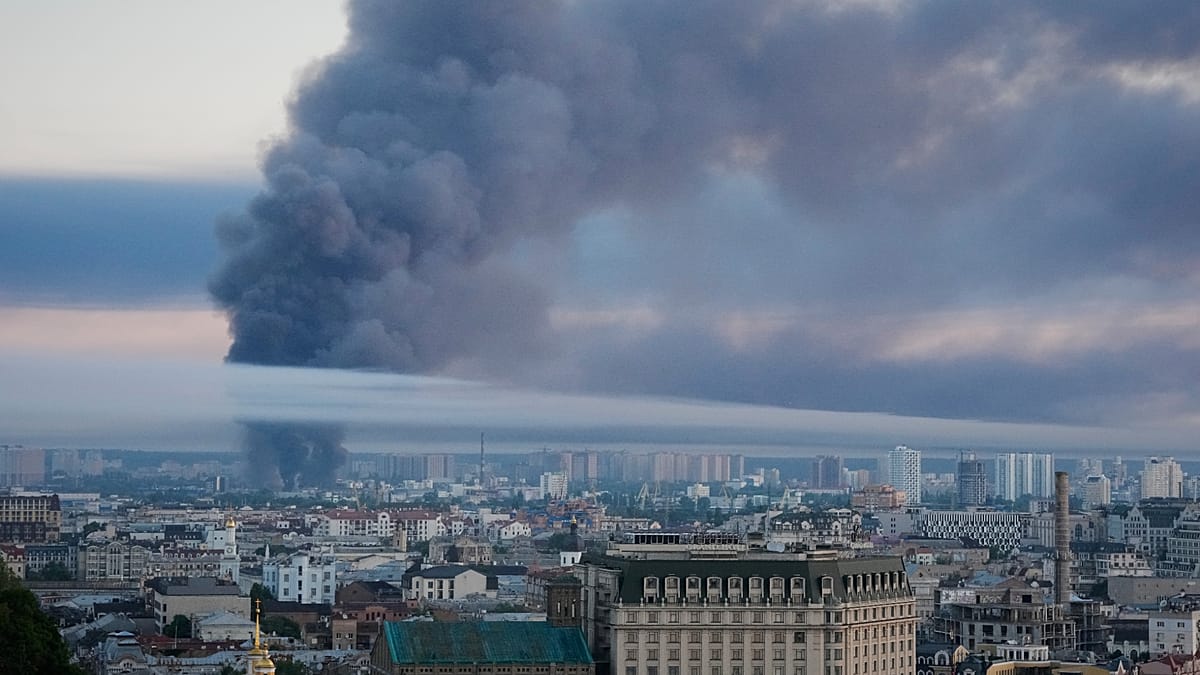
Recent reporting on Russia’s growing use of jet-powered drones in attacks on Ukraine highlights a crucial reality: airborne threats are evolving rapidly. These drones travel much faster than conventional interceptor drones, forcing defenders to rely on limited missile-based air defence systems. While the immediate context is military, the broader lesson for luxury design is clear: speed, resilience, and layered protection are now central to the architecture of premium spaces.
Why Jet-Powered Drones Matter to Luxury Design
At first glance, jet-powered drones may seem unrelated to luxury decor or luxury brands. But high-value environments have always responded to emerging risk. Palatial residences, flagship boutiques, private estates, luxury hotels, and collectible design showrooms are no longer judged only by visual excellence. They are also evaluated by how securely they can operate in a world of fast-moving technological threats.
Jet-powered drones differ from slower propeller-driven models because they can reach far higher speeds and cover long distances. In the Ukraine conflict, officials have warned that some of these aircraft can move too quickly for many drone interceptors to catch. That changes the defence equation dramatically and introduces new thinking for anyone responsible for protecting premium real estate or rare assets.
The Technology Shift Behind Jet-Powered Drones
The current generation of jet-powered drones reflects how quickly unmanned systems are advancing. According to Ukrainian military assessments cited in recent coverage, Russia has increased its use of faster strike drones alongside other aerial attack systems. These models are designed to reduce reaction time for defenders and force the use of expensive missile interceptors.
Several features make jet-powered drones especially notable:
- Higher speed: They can significantly outpace many traditional interceptor drones.
- Longer reach: Reported ranges of around 1,000 km show how broadly such systems can operate.
- Greater pressure on defences: Faster targets require more advanced response infrastructure.
- Evolving design: Newer versions demonstrate improved propulsion, navigation, and payload capability.
For luxury design professionals, these developments reinforce the need to think of buildings not just as beautiful objects, but as intelligent, adaptive environments.
How Luxury Brands Are Rethinking Security and Space
Luxury brands have long invested in discreet protection, but the rise of jet-powered drones may push security strategy into a new era. A high-jewellery maison, couture flagship, or exclusive furniture gallery often contains inventory worth millions. Add to that the reputational value of these spaces, and resilience becomes part of brand equity.
In practical terms, luxury brands may begin integrating:
- Hardened building envelopes that reduce vulnerability without compromising elegance.
- Concealed sensor systems embedded into architecture, lighting plans, and rooflines.
- Protected courtyards and atriums designed to maintain openness while limiting exposure.
- Redundant communications systems for continuity during emergencies.
- Secure art and object storage zones built into residential and retail interiors.
The challenge is making all of this invisible. In luxury design, security cannot feel industrial or intrusive. It must be integrated with material sophistication, spatial clarity, and refined detailing.
Jet-Powered Drones and the Evolution of Luxury Decor
Luxury decor is also likely to evolve in response to jet-powered drones, especially in top-tier residential projects. Designers working on penthouses, compounds, and private retreats may increasingly prioritize interior layouts that support shelter, compartmentalization, and asset protection.
This does not mean sacrificing comfort. Instead, it may inspire a new design language built around calm resilience. Think bespoke joinery that conceals reinforced cores, sculptural walls that improve blast resistance, or smart-glass systems that enhance privacy and operational control. In this sense, luxury decor becomes both expressive and defensive.
Materials will play an important role. Expect higher interest in:
- Impact-resistant glazing with premium finishes
- Stone and composite surfaces chosen for both beauty and durability
- Acoustic treatments that support safer interior sanctuaries
- Integrated backup power and climate systems for seamless continuity
These are not merely technical upgrades. In the luxury world, every protective intervention must still feel intentional, elegant, and bespoke.
Designing Prestige Properties for an Uncertain Future
The bigger takeaway from the rise of jet-powered drones is that elite architecture must now prepare for a wider range of scenarios. Whether the project is a luxury resort, an ultra-prime residence, or a flagship retail concept, clients increasingly expect future-ready thinking.
That means architects and developers may need to collaborate more closely with security engineers, smart-building specialists, and resilience consultants from the earliest concept stage. The most successful projects will likely be those that merge:
- Architectural beauty with hidden defensive intelligence
- Luxury design with operational resilience
- Prestige branding with long-term asset protection
For high-net-worth homeowners and premium developers, this is not alarmism. It is strategic foresight. The same way sustainability and wellness became defining pillars of luxury design, security resilience may become another signature standard.
What the Drone Arms Race Signals for High-End Design
The reported expansion of jet-powered drones in Russia’s campaign against Ukraine shows how quickly threat technology can outpace existing countermeasures. Even with strong interception rates, defenders are being forced to use scarce, high-value missiles against these faster systems. That lesson matters beyond defence policy: when threats evolve, design must evolve too.
For luxury brands, luxury decor specialists, and elite property creators, the age of purely ornamental prestige is over. Jet-powered drones underline the need for spaces that are not only beautiful, but durable, intelligent, and discreetly protected. The future of luxury design will belong to those who can combine visual sophistication with invisible resilience.
In that future, jet-powered drones are more than a headline. They are a signal that the next chapter of high-end design will be defined by security-aware innovation as much as by style.